
Quick answer
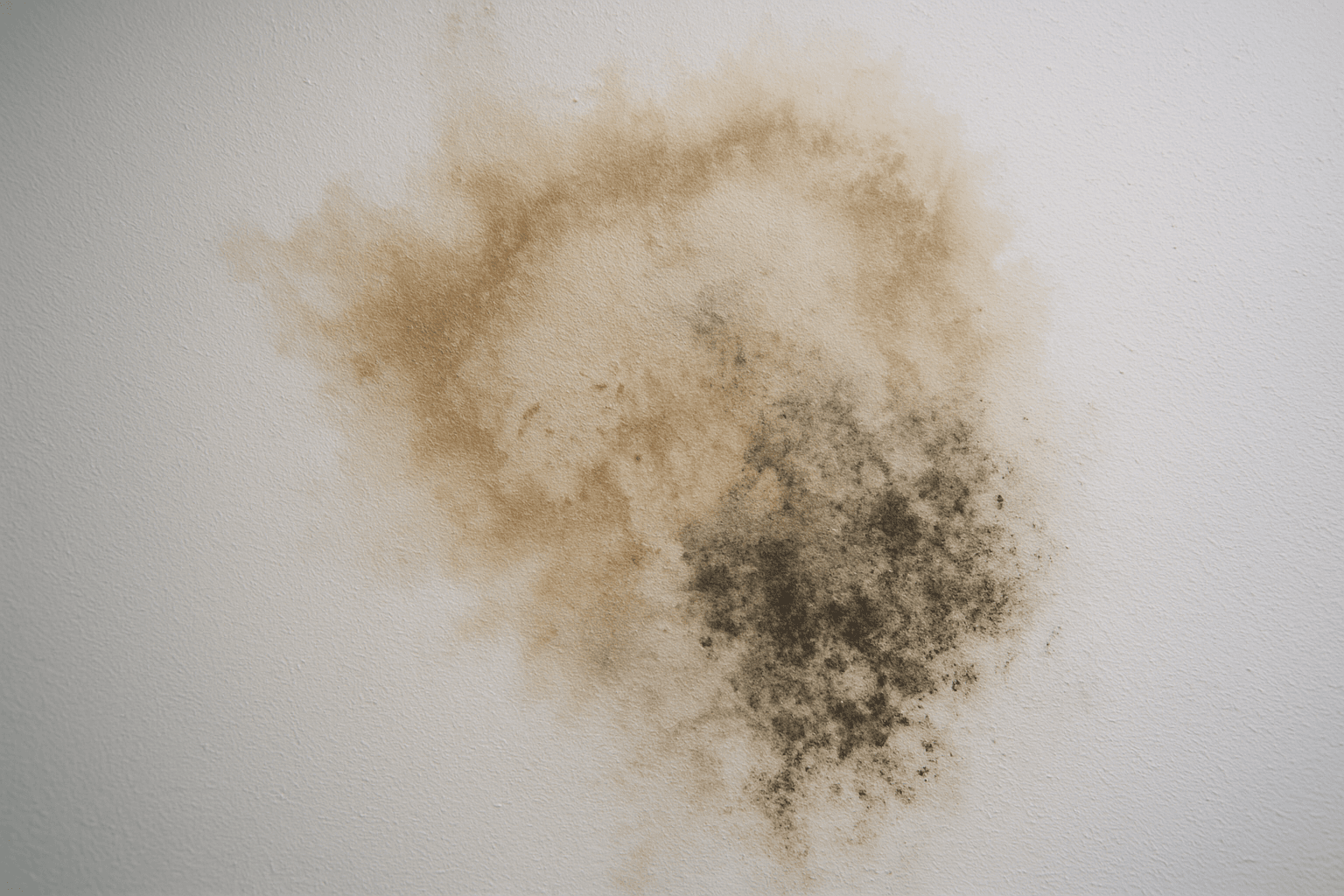
In practice mold mitigation, remediation and abatement describe the same professional work with different emphasis. Mitigation stresses stopping the moisture and limiting spread, remediation stresses returning spore levels to normal, and abatement is borrowed from asbestos language. All three follow IICRC S520: contain the area, filter the air, remove contaminated porous materials, and correct the moisture source. Call (888) 840-6512 to reach a certified water damage restoration company in your area; the line is answered 24/7.
Written & reviewed by Marcus ReedIICRC WRT
Reviewed August 12, 2026· Next review Feb 2027
Four Words, One Job
Search for mold help and you'll meet four terms: mitigation, remediation, abatement, and removal. Companies use them interchangeably — and that's the first thing to understand: they describe the *same professional service* with different emphasis.
- Mitigation — stopping the problem from spreading and reducing the hazard
- Remediation — returning the home to normal, healthy condition
- Abatement — removing the hazard (wording borrowed from asbestos/lead work)
- Removal — the physical act of taking out colonized material
A certified crew does all four in one project. The word on the invoice matters far less than the protocol behind it: IICRC S520, the industry standard for professional mold work.
What a Real Mold Project Includes
Whatever a company calls itself, a legitimate scope has five parts:
- 1Assessment & moisture mapping — meters and thermal imaging find the water source feeding the colony
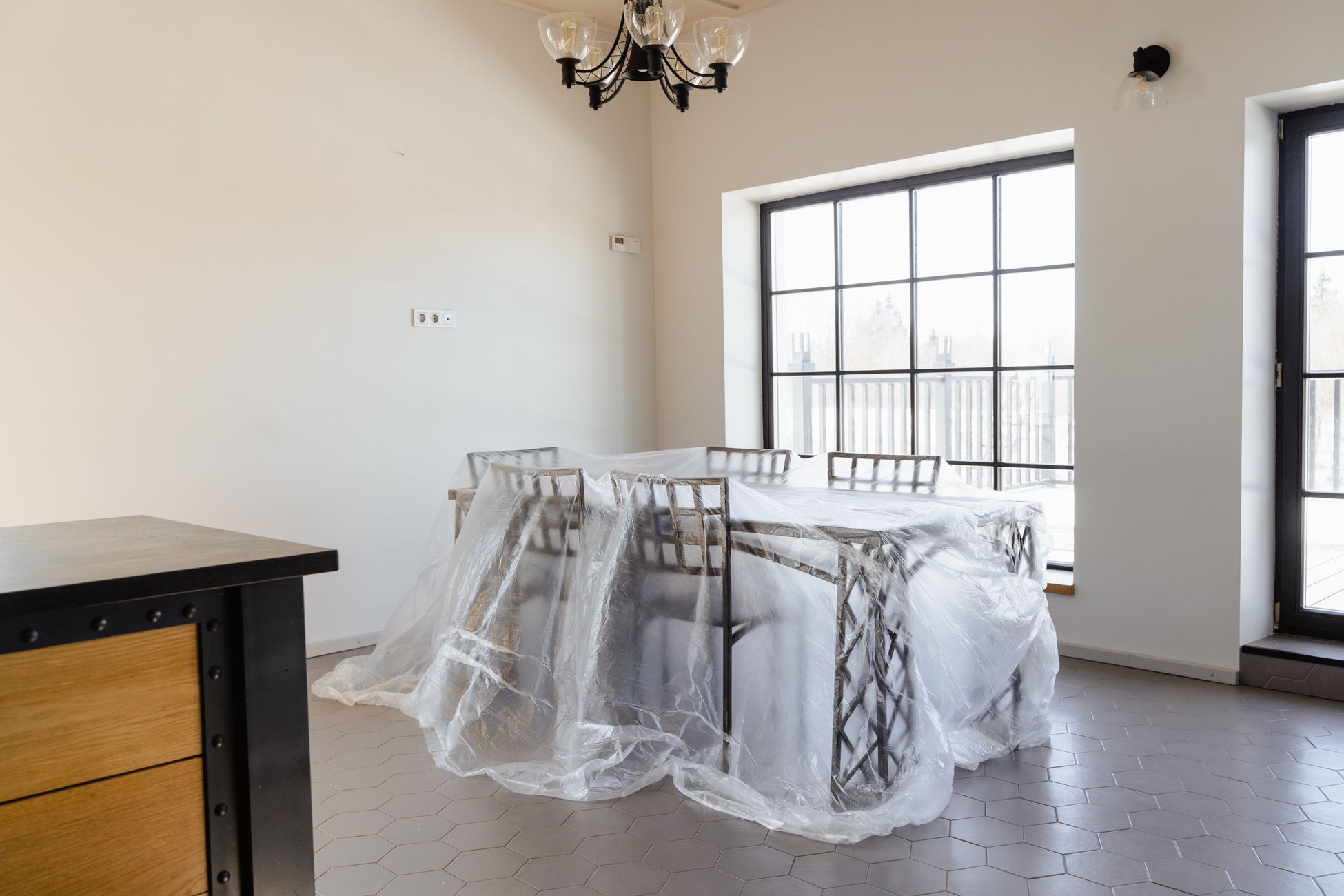
- 2Containment — plastic barriers and negative air pressure with HEPA filtration keep spores out of clean rooms
- 3Removal or treatment — colonized porous materials (drywall, insulation) come out; structural wood gets treated
- 4Source correction — the leak, condensation, or humidity problem gets fixed or referred
- 5Verification — moisture readings at dry standard, and clearance testing on larger jobs
If a quote is missing containment, source correction, or verification — that's the difference between the bids, not the vocabulary.
Mitigation vs Remediation: Does Insurance Care?
Insurers care about *cause and timing*, not terminology. Mold resulting from a sudden covered water event (burst pipe, appliance failure) that was addressed promptly is usually covered — often under a mold-specific cap of $1,000–$10,000. Mold from long-term humidity or deferred maintenance is typically excluded regardless of what the invoice calls the work.
What It Costs
Typical residential projects run $1,000–$6,500 — driven by affected area, how much material needs removal, and HVAC involvement. See our mold remediation cost guide for the full breakdown, and get any large quote itemized before comparing.
Talk to a water damage pro now
Answered 24/7 · Toll-free · answered 24/7 · no obligation
(888) 840-6512- Describe the damage & give your ZIP
- You're routed to the on-call local crew
- They quote — you decide, no obligation
The Bottom Line
Don't shop the word — shop the scope. Ask every company the same six questions (standard, containment, porous materials, source, verification, line items) and the marketing labels stop mattering.
How the Words Are Used by the People Who Matter
Insurers use "mitigation" for the emergency water work — extraction and drying that stops damage getting worse — and "remediation" for the mold work that follows if drying came too late. On a claim, mitigation is the line paid as a duty under the policy; remediation is the line that hits the mold sublimit. That is the one place the vocabulary has a dollar consequence: keeping a loss in the mitigation column by drying it fast is worth more than any negotiation later.
State licensing uses "remediation." Texas licenses mold assessors and mold remediation contractors; Florida and New York license mold remediators; Louisiana has a mold remediation license. A company in those states doing "mold removal" or "mold abatement" above the threshold needs the remediation license regardless of what the truck says. Which states license mold work, and the credentials that matter elsewhere.
The standard — ANSI/IICRC S520 — is titled "Mold Remediation," and its process is the one every competent company follows whatever it calls itself: the seven steps.
A Sample Scope, Line by Line
A quote that follows the standard reads something like this for a bathroom wall and the closet behind it:
| Line | What it is |
|---|---|
| Assessment and moisture mapping, written scope | Where the growth is and what feeds it |
| Containment, 6-mil poly, sealed vents; HEPA air scrubber, negative air | Spores stay in the room |
| Remove drywall 48 sq ft, insulation 48 sq ft, vanity toe kick | The porous materials |
| HEPA vacuum and damp-wipe framing and subfloor | Removes what removal leaves behind |
| Antimicrobial application, cleaned wood | Not a substitute for the two lines above |
| Air movers and dehumidifier, 3 days, moisture readings logged | Dry before it closes |
| Post-remediation visual and independent clearance sampling | Proof, not a promise |
| Plumbing repair of the shower valve leak — separate trade | The cause |
| Rebuild — drywall, tile, paint — separate estimate | After clearance |
A quote that says "treat affected areas, apply sealant, $1,800 flat" describes none of those lines. That is the difference the words hide.
Questions That Expose a Spray-and-Seal
- 1Is there containment and negative air on this quote, and where will the scrubber exhaust?
- 2What materials come out, by square footage?
- 3What is the moisture source, and who is fixing it?
- 4What moisture readings end the drying?
- 5Who verifies the result — you, or someone independent?
- 6Which technician holds IICRC AMRT or ACAC CMR, and is the firm licensed if my state requires it?
Ask the same six of every company; the answers, not the nouns, sort them.
Reading to confirm what you already suspect?
Confirm it in two minutes instead — the pro on this line answers questions about YOUR situation all day: what it is, what it should cost, whether you even need service. If you want, they'll set the appointment on the same call.
Toll-free · no obligation · asking costs nothing
Frequently Asked Questions
Is mold mitigation the same as mold remediation?
Functionally yes — both describe professionally addressing a mold problem under IICRC S520 protocols. 'Mitigation' emphasizes stopping spread and reducing the hazard; 'remediation' emphasizes returning the home to normal condition.
Companies use the words interchangeably, so compare the scope of work, not the label: containment, removal/treatment, moisture-source correction, and verification should all appear.
What does mold abatement mean?
Abatement is the hazard-removal framing — the same containment-and-removal work, with wording borrowed from asbestos and lead industries. A 'mold abatement company' and a 'mold remediation company' bid the same job. What varies is quality: certifications, containment practices, and whether they verify results.
Which costs more — mitigation, remediation, or abatement?
The word changes nothing about price. Residential projects typically run $1,000–$6,500 based on affected area, materials removed, and HVAC involvement. If two quotes differ wildly, the difference is scope (containment, disposal, source repair, clearance testing) — ask for line items and compare those.
Who do I call right now for water damage?
Call (888) 840-6512. The line is answered 24 hours a day, seven days a week, and connects you with an IICRC-certified water damage restoration company that serves your area. Describe what you can see — where the water is coming from, how long it has been there, and whether it smells — the more specific you are, the faster the right company is on the line.
If the source is a pipe or an appliance, shut the main water valve first. Have four things ready and the call goes quickly: the address, when the water started, what is wet now, and whether you have filed an insurance claim.
Need it handled now?
Mold Mitigation — 24/7 Certified Crews
Whatever the label — containment, removal, source correction and verification by certified specialists.
Sources
- CDC — Mold After a Disaster(retrieved 2026-07-02)
- EPA — Mold Remediation Guidance(retrieved 2026-07-02)
- IICRC S520 — Mold Remediation(retrieved 2026-07-02)
Methodology: How we source and verify data · Report an error
Disclaimer: HearthDry is an independent educational resource. This article is for informational purposes only and does not constitute professional, legal, or insurance advice. Consult licensed professionals before making decisions about your property or insurance claims.
Professional Equipment
The Equipment Pros Use During Remediation
Whether the job is mitigation or full remediation, containment is the same: a HEPA air scrubber running negative air keeps spores from spreading to clean rooms while the source gets fixed.
Affiliate link — HearthDry earns a commission from Sylvane via CJ at no extra cost to you
Free 2-day shipping
Amazon Prime members pay no shipping on restoration equipment
Dehumidifiers, air movers, and moisture meters qualify for free Prime delivery — bulk items that otherwise cost $15–$40 to ship.
Affiliate link — HearthDry earns a bounty if you sign up; costs you nothing extra.
Equipment
What each machine actually does
Removes the moisture the structure is still giving off — the machine that decides how long drying takes
See the picks →Moves air across wet surfaces so the dehumidifier has something to take out of the air
See the picks →Finds water behind walls and under floors, and tells you when a material is actually dry
See the picks →Alerts you the moment a leak starts — the cheapest thing on this list and the only preventive one
See the picks →Those pages carry affiliate links. As an Amazon Associate, HearthDry earns from qualifying purchases; it costs you nothing extra.
Our Amazon storefront →Advertisement
