
Quick answer
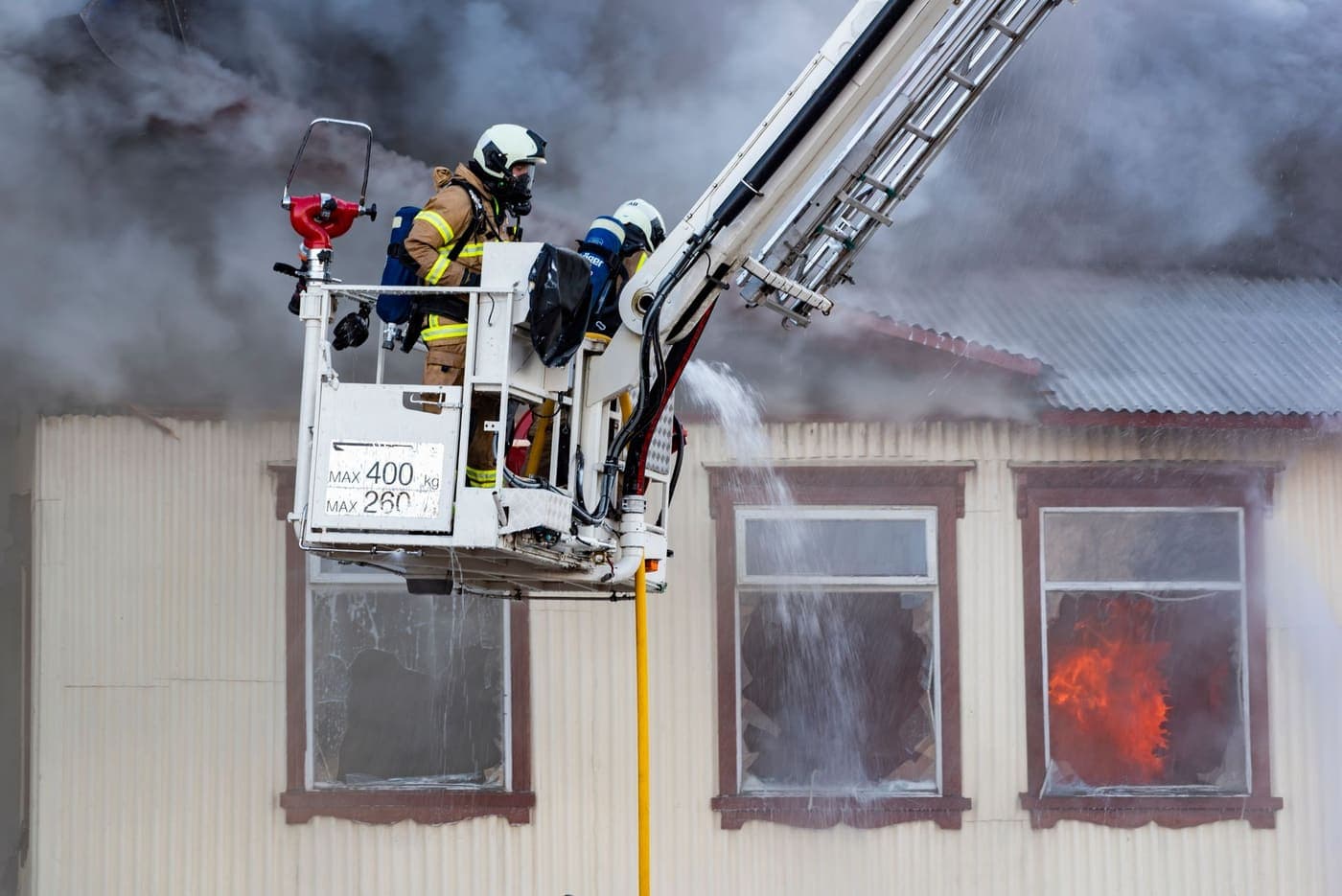
Fire and water damage restoration is the combined cleanup after a structure fire: securing the building (board-up, tarping, temporary power), extracting the water the fire department used — often hundreds of gallons that soak floors, walls and ceilings below the fire — drying the structure before mold establishes (24–48 hours), then removing soot and smoke residue, cleaning or packing out contents, and rebuilding what the fire took. The water side is the most time-critical: firefighting water behaves like any major water loss and is handled to the same IICRC standard. Fire is a covered peril on standard homeowners policies — dwelling, contents and additional living expenses — and the water damage from firefighting is covered as part of the fire claim. Expect a restoration company on site the same day, drying within 24 hours, and weeks to months for the full rebuild depending on severity. Call (888) 840-6512 to reach a certified water damage restoration company in your area; the line is answered 24/7.
Press 1 for water damage or 2 for mold, then your 5-digit ZIP. The line goes quiet for about half a minute while it connects — that is normal, stay on.
Written & reviewed by Marcus ReedIICRC WRT
Reviewed August 31, 2026· Next review Feb 2027
One Event, Two Disasters
A structure fire damages a house twice. The flames and heat take the rooms they reach; the water that stops them — fire hoses deliver over a hundred gallons a minute — soaks everything below and beside the fire. It is common for the water damage to cover more of the house than the burn damage, and it is always the part that gets worse fastest once the trucks leave: wet drywall, insulation and flooring start growing mold within 24–48 hours, while soot sits and slowly etches whatever it landed on.
That is why the trade is called fire and water damage restoration, and why the first day's work is mostly a water job.
The First 24 Hours
1. Release and safety. Nothing starts until the fire department releases the property. Structural safety, electrical and gas are checked before anyone works inside; power is often off, and a restoration company brings temporary power for drying equipment.
2. Securing the building. Broken windows and doors boarded, roof openings tarped, fencing where needed. This is also an insurance requirement — an unsecured house invites weather and theft losses the policy expects you to prevent.
3. Water extraction. The firefighting water is pumped and extracted exactly like a burst-pipe flood: standing water out, carpet and pad assessed, water traced through floors and wall cavities with meters. What a water extraction service does applies in full — the source just happens to have been a fire hose.
4. Drying begins. Air movers and dehumidifiers, positioned around the burn areas, run continuously. The 24–48 hour mold window does not pause because there was a fire; how fast mold grows on wet materials is the same clock, and a fire loss that grows mold becomes a third disaster with its own scope.
The Smoke and Soot Phase
Soot is acidic, oily and mobile. Within days it permanently stains and etches metals, stone, grout and finishes; within weeks, odor compounds soak into porous materials. The cleanup runs surface by surface:
| Damage | What restoration does |
|---|---|
| Loose soot on walls and ceilings | Dry-sponge (chemical sponge) cleaning before any wet cleaning — water smears soot |
| Oily residue (plastics, kitchen fires) | Degreasing agents, often multiple passes |
| Smoke odor in the structure | HEPA air scrubbers during work; thermal fogging, hydroxyl or ozone treatment after cleaning |
| HVAC system | Duct and air-handler cleaning — the system moved smoke through the house |
| Charred materials | Removed; framing that is sound but smoke-stained gets cleaned and sealed with an odor-blocking primer |
The standard behind this work is ANSI/IICRC S700 (fire and smoke damage restoration), with FSRT-certified technicians — worth asking about, the same way you would ask for WRT/ASD on a water job.
Contents: Clean, Pack Out, or List
Furniture, clothing, electronics and documents are sorted into three streams: cleanable on site; pack-out to a facility for specialised cleaning (ultrasonic for hard goods, ozone chambers for odor, electronics restoration); and non-salvageable, which is photographed and listed for the claim. How pack-out works covers the process and the inventory paperwork — on a fire claim that inventory is where much of the settlement lives.
Talk to a water damage pro now
Answered 24/7 · Toll-free · answered 24/7 · no obligation
(888) 840-6512Mold can establish within 24–48 hours of water exposure — drying started today stays a drying job.
- Describe the damage & give your ZIP
- You're routed to the on-call local crew
- They quote — you decide, no obligation
Rebuild
After drying, soot cleanup and any mold remediation comes reconstruction: framing repairs, drywall, insulation, electrical the fire took, paint, flooring. Small fires rebuild in weeks; a room-and-contents fire commonly runs one to three months; major structural fires longer. The rebuild is usually a separate contract — and worth bidding separately — from the emergency mitigation.
The Insurance Side
Fire is the core covered peril of every standard homeowners policy — dwelling, other structures, contents and additional living expenses while the home is uninhabitable. Three things fire claims reward:
- 1Document before cleanup — every room, including smoke-only rooms; odor is damage.
- 2Open ALE immediately — hotels and meals are covered from night one; keep receipts.
- 3Treat the water as part of the fire claim — extraction, drying and any resulting mold trace back to the covered event. The claim process itself works like any large water claim: line-item estimates, supplements as walls open, recoverable depreciation after repairs.
Fire claims are large — insurance-industry data puts the average fire claim several times higher than the average water claim — so adjusters scrutinise them accordingly. A restoration company that documents to insurance standard (photos, moisture logs, inventory) is doing half your claim work.
Who to Call, in Order
- 1911 / fire department — and nobody re-enters until they release the structure.
- 2Your family's needs — somewhere to stay tonight; ALE pays for it.
- 3A fire-and-water restoration company — board-up, extraction, drying, same day. What to have ready when you call.
- 4Your insurer — same day, claim number, ALE, and whether they want their adjuster on site before demolition (usually yes for fire).
- 5Utilities — gas and electric stay off until inspected.
What It Costs
Minor smoke-and-water events start in the low thousands; kitchen fires with cleanup and partial rebuild commonly run five figures; significant structural fires go well beyond. Fire damage restoration cost breaks the ranges down by scenario — but on a covered fire loss the practical question is rarely the total; it is whether the scope is complete, which is what the documentation above protects.
Reading to confirm what you already suspect?
Confirm it in two minutes instead — the pro on this line answers questions about YOUR situation all day: what it is, what it should cost, whether you even need service. If you want, they'll set the appointment on the same call.
Toll-free · no obligation · asking costs nothing
Frequently Asked Questions
Does fire restoration include the water damage from putting the fire out?
YesReputable fire restoration companies treat the firefighting water as the first emergency, because it is the part still getting worse after the flames are out.
Extraction and structural drying run to the same IICRC S500 standard as any water loss, and on the insurance side the water damage is covered under the fire claim, since firefighting is part of the covered event.
How fast do I need to act after a house fire?
Three clocks run at once: the firefighting water starts feeding mold within 24–48 hours; acidic soot residue begins permanently etching metals, stone and finishes within days; and your policy requires reasonable steps to prevent further damage.
Board-up and water extraction the same day, drying underway within 24 hours, and soot stabilisation within the first few days is the professional pace.
Who do I call first after a fire — insurance or a restoration company?
Once the fire department releases the property: a restoration company for emergency board-up and water extraction, then your insurer to open the claim — the same day.
The policy's duty to mitigate covers the emergency work, and fire claims are large enough that the adjuster will be closely involved from early on. Do not sign a full restoration contract on the doorstep; authorise the emergency work, then compare scopes for the rebuild.
Can I stay in my house during fire and water restoration?
Often not at first: smoke residue and the chemicals in it are respiratory irritants, power and water may be off, and drying equipment runs loudly around the clock.
Standard homeowners policies include additional living expenses (ALE) that pay for a hotel or rental while the home is uninhabitable — keep every receipt and ask the adjuster to open the ALE portion immediately.
Is smoke damage in rooms the fire never touched still covered?
YesSmoke and soot migrate through the whole house and into HVAC ductwork, and their cleanup is part of the covered fire loss — as is the water that travelled to floors below the fire.
Document every room, including ones that look fine but smell of smoke; odor is damage.
Is there such a thing as 24 hour fire restoration?
YesFire restoration companies run the same around-the-clock dispatch as water damage crews, because the first hours after the fire department leaves are when board-up, tarping and extraction of firefighting water have to happen.
The emergency phase — securing the structure and starting the drying — mobilizes the same night; the soot cleanup, contents work and rebuild then run on a scheduled timeline over the following weeks.
Who do I call right now for water damage?
Call (888) 840-6512. The line is answered 24 hours a day, seven days a week, and connects you with an IICRC-certified water damage restoration company that serves your area. A recorded menu picks up first: choose water damage or mold, key in your 5-digit ZIP code, and hold through the short silence while the call is passed to the company.
Describe what you can see — where the water is coming from, how long it has been there, and whether it smells — the more specific you are, the faster the right company is on the line. If the source is a pipe or an appliance, shut the main water valve first. Have four things ready and the call goes quickly: the address, when the water started, what is wet now, and whether you have filed an insurance claim.
Still not sure which of these is your situation? (888) 840-6512 · toll-free · answered 24/7
Sources
- U.S. Fire Administration — After the Fire: Returning to Normal
- IICRC — Standards (ANSI/IICRC S500 Water Damage, S700 Fire and Smoke Damage Restoration)
- NFPA — Home structure fires (research and statistics)
- Insurance Information Institute — Facts + Statistics: Homeowners and renters insurance
- EPA — A Brief Guide to Mold, Moisture and Your Home
Methodology: How we source and verify data · Report an error
Disclaimer: HearthDry is an independent educational resource. This article is for informational purposes only and does not constitute professional, legal, or insurance advice. Consult licensed professionals before making decisions about your property or insurance claims.
Free 2-day shipping
Amazon Prime members pay no shipping on restoration equipment
Dehumidifiers, air movers, and moisture meters qualify for free Prime delivery — bulk items that otherwise cost $15–$40 to ship.
Affiliate link — HearthDry earns a bounty if you sign up; costs you nothing extra.
Equipment
What each machine actually does
Removes the moisture the structure is still giving off — the machine that decides how long drying takes
See the picks →Moves air across wet surfaces so the dehumidifier has something to take out of the air
See the picks →Finds water behind walls and under floors, and tells you when a material is actually dry
See the picks →Alerts you the moment a leak starts — the cheapest thing on this list and the only preventive one
See the picks →Those pages carry affiliate links. As an Amazon Associate, HearthDry earns from qualifying purchases; it costs you nothing extra.
Our Amazon storefront →Advertisement
