
Quick answer
A sewer smell in the laundry room usually comes from the plumbing, not the washer. The washer's drain hose sits in a standpipe that needs a trap; if the hose is sealed into it, or the trap is missing or dry, sewer gas comes up. A floor drain nobody uses dries out the same way. Run water into the floor drain, check the standpipe trap, and look for gurgling when the washer drains, which points to a blocked vent or a partial clog. Call (888) 217-6781 to reach a plumbing company taking calls in your ZIP.
Follow the short menu, then your 5-digit ZIP. The line goes quiet for a few seconds while it connects; stay on. If it does not connect, call once more: companies taking calls change minute to minute.

Written & reviewed by Marcus ReedIICRC WRT
Reviewed November 4, 2026· Next review May 2027
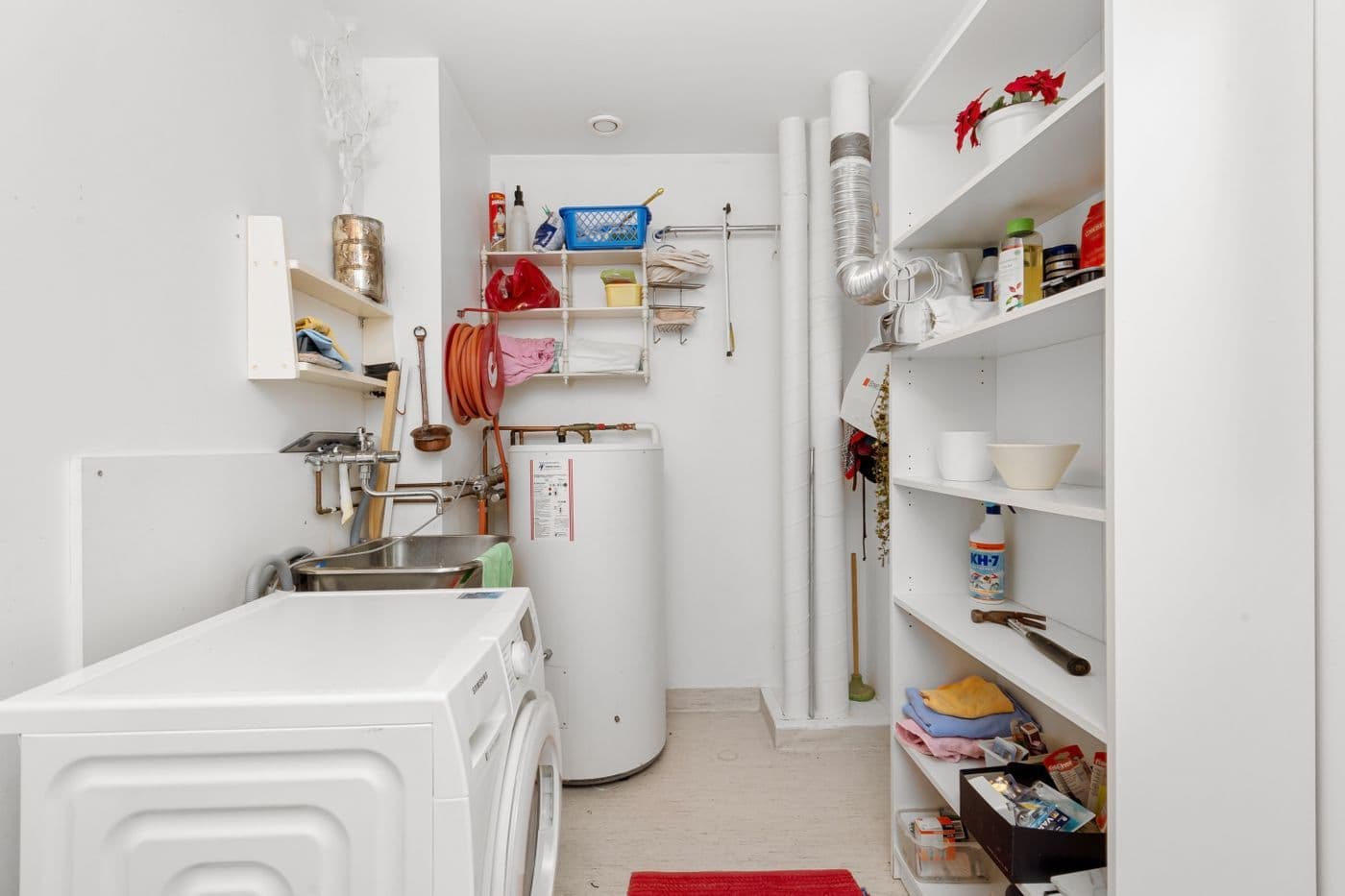
A laundry room that smells like sewage is usually telling you about its drains, not the washing machine. Laundry rooms have two drains that are easy to forget: the standpipe the washer hose empties into, and often a floor drain. Either can let sewer gas in.
Check These First
- 1Refill the floor drain. Pour a gallon of water into it. Its trap holds water as a seal, and in a room that is rarely washed down, that water evaporates. If the smell fades within hours, that was it; add water monthly.
- 2Look at the washer hose in the standpipe. It should hang loosely in the pipe with an air gap. A hose taped or sealed into the opening can siphon the trap dry every time the washer pumps out.
- 3Look for a trap on the standpipe. The plumbing code requires a trap on a washer standpipe, a U-bend below the opening. Older or DIY setups sometimes have none, which lets gas straight up the pipe.
- 4Watch a drain cycle. Gurgling, slow draining or water coming up the standpipe means a partial clog or a blocked vent. See drain gurgling.
Read the Signs
| What you notice | Likely cause |
|---|---|
| Smell, no other symptoms, floor drain present | Dry floor drain trap |
| Smell after every wash | Hose sealed in the standpipe, siphoning the trap |
| Gurgling in the sink or toilet when the washer drains | Blocked vent or branch clog |
| Water backs up out of the standpipe | Clog in the laundry line; lint is common |
| Smell is musty, at the washer door | The washer gasket, not the drain |
| Water rises in the floor drain | Main line problem; see floor drain backing up |
Talk to a plumber about this
One call reaches a plumbing company taking calls in your ZIP.
Lint Clogs
Washer water carries lint, and laundry lines clog with it over years. A lint trap on the drain hose, cleaned regularly, helps. A line that backs up needs a snake, and a plumber can tell whether the clog is in the laundry branch or the main. See drain cleaning.
The Call
Call when the standpipe has no trap, water backs up out of it, other fixtures gurgle when the washer drains, or water rises in the floor drain. (888) 217-6781 connects you to a plumbing company taking calls in your ZIP. Follow the short menu, enter your 5-digit ZIP and stay on while it connects; if it does not connect, call once more, because the companies taking calls change minute to minute.
Reading to confirm what you already suspect?
Confirm it in two minutes instead — the pro on this line answers questions about YOUR situation all day: what it is, what it should cost, whether you even need service. If you want, they'll set the appointment on the same call.
No obligation to book
Frequently Asked Questions
Why does my laundry room smell like sewage?
Usually a dry floor drain trap, a washer standpipe without a working trap, or a hose sealed into the standpipe that siphons the trap dry. A blocked vent or a partial clog in the line can do the same.
Can a washing machine cause a sewer smell?
A dirty front-loader gasket smells musty rather than like sewage. A true sewer smell comes from the drain the washer empties into.
Why does the smell get worse when the washer drains?
A big rush of water can pull a trap dry or push gas out if the vent is blocked or the line is partly clogged. That is worth a plumber's look before it backs up.
Sources
Methodology: How we source and verify data · Report an error
Disclaimer: HearthDry is an independent educational resource. This article is for informational purposes only and does not constitute professional, legal, or insurance advice. Consult licensed professionals before making decisions about your property or insurance claims.