
Quick answer
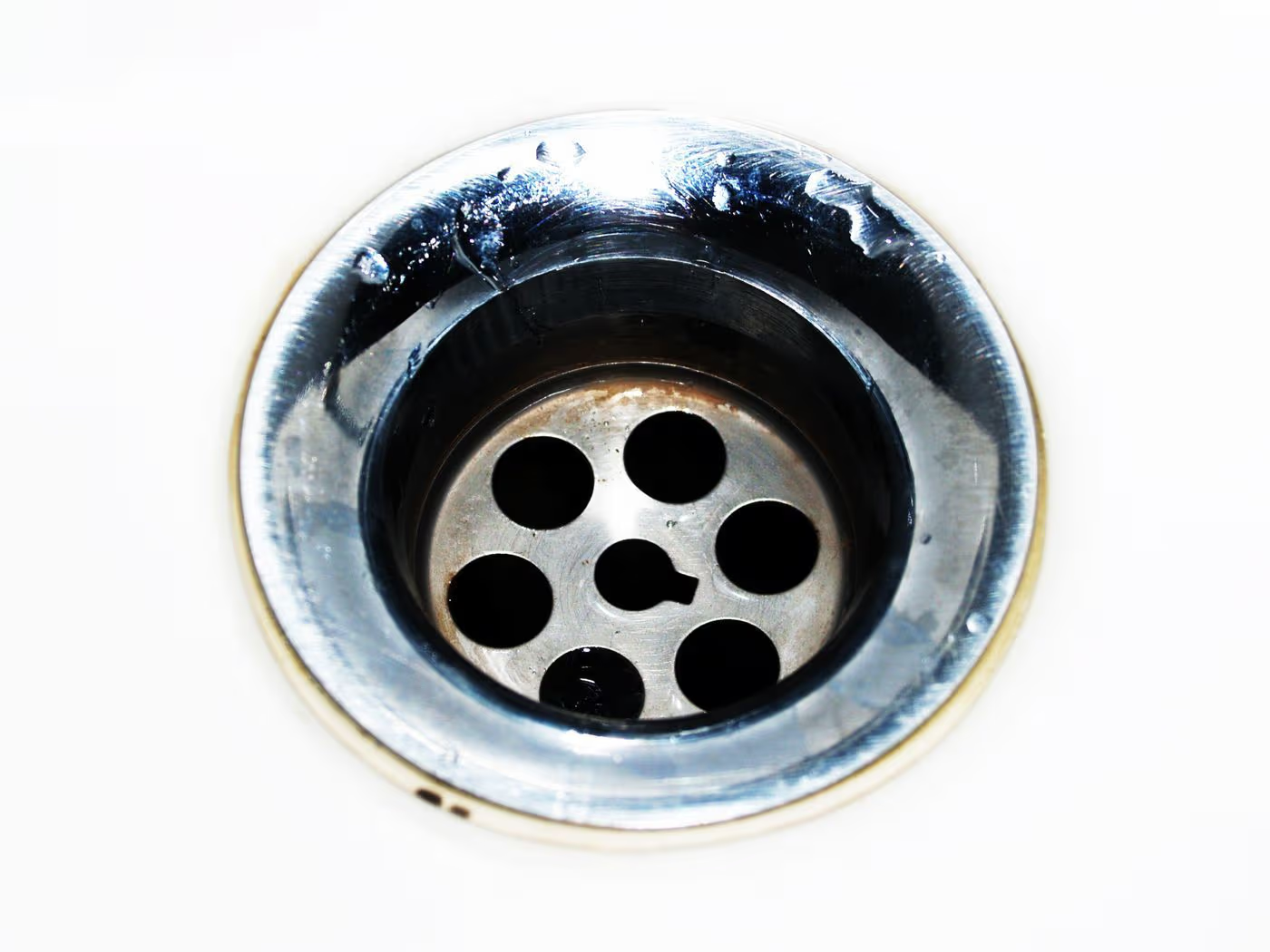
A clogged shower drain is almost always hair bound up in soap residue just below the strainer. Remove the strainer, pull out what you can see, use a barbed plastic drain stick, then plunge with the tub overflow covered or use a small hand snake. If the sink is also slow, or the shower backs up when the toilet flushes, the clog is in the branch drain or main line. HomeServe puts drain cleaning at $100–$275. Call (888) 217-6781 to reach a plumbing company taking calls in your ZIP.
Follow the short menu, then your 5-digit ZIP. The line goes quiet for a few seconds while it connects; stay on. If it does not connect, call once more: companies taking calls change minute to minute.

Written & reviewed by Marcus ReedIICRC WRT
Reviewed November 3, 2026· Next review May 2027
A shower drain that leaves you standing in water is almost always clogged with hair bound up in soap residue, sitting within the first few inches below the strainer. That makes it one of the plumbing clogs a homeowner can usually clear, as long as it is only the shower that is slow.
Clear It in This Order
- 1Remove the strainer. Most unscrew with one center screw or pop out. Pull out the hair you can see, with gloves or a pair of needle-nose pliers.
- 2Use a plastic drain stick. The barbed plastic strips sold at hardware stores grab hair a few inches down. Push it in, twist, and pull it up slowly.
- 3Flush with very hot water. Not boiling water if you have PVC pipe; hot tap water and a squeeze of dish soap loosen soap scum.
- 4Plunge it. Cover the overflow on a tub-shower combo with a wet rag, then use a cup plunger over the drain.
- 5Try a small hand snake. A 15 to 25 foot drum auger reaches past the trap.
Clogs That Point Somewhere Else
| What you notice | Likely cause |
|---|---|
| Shower and the bathroom sink are both slow | Clog in the shared branch drain |
| Shower backs up when the toilet flushes | Branch drain or main line clog |
| Drain gurgles, and several fixtures are slow | Main line clog or a blocked vent |
| Bad smell even when the drain flows | Dry trap, biofilm, or a sewer gas leak; see bathroom smells like sewer |
Talk to a plumber about this
One call reaches a plumbing company taking calls in your ZIP.
Water Under the Shower
A drain that runs fine but leaves stains on the ceiling below, or loose tiles near the drain, is a different problem: a failed shower pan or drain seal. See shower pan leak.
What a Repair Costs
HomeServe puts drain cleaning at $100 to $275, and a main-line clog at $150 to $500. The drain cleaning page has the table and sources.
When to Call
Call if a snake does not clear it, if other drains are slow too, or if water backs up into the shower when you use another fixture. (888) 217-6781 connects you to a plumbing company taking calls in your ZIP. Follow the short menu, enter your 5-digit ZIP and stay on while it connects; if it does not connect, call once more, because the companies taking calls change minute to minute.
Reading to confirm what you already suspect?
Confirm it in two minutes instead — the pro on this line answers questions about YOUR situation all day: what it is, what it should cost, whether you even need service. If you want, they'll set the appointment on the same call.
No obligation to book
Frequently Asked Questions
What is the fastest way to unclog a shower drain?
Remove the strainer and pull out the hair, then use a barbed plastic drain stick. Most shower clogs sit within a few inches of the strainer.
Why does my shower back up when I flush the toilet?
The clog is past the shower, in the branch drain they share or the main sewer line. Stop using water and call a plumber.
How much does it cost to unclog a shower drain?
HomeServe puts drain cleaning at $100–$275, and a main-line clog at $150–$500.
Sources
Methodology: How we source and verify data · Report an error
Disclaimer: HearthDry is an independent educational resource. This article is for informational purposes only and does not constitute professional, legal, or insurance advice. Consult licensed professionals before making decisions about your property or insurance claims.