Quick answer
The reliable red flags in restoration are pressure to sign on the spot, a large cash deposit before work begins, an assignment of benefits presented as routine paperwork, no written line-item scope, no verifiable IICRC certification, and door-knocking after a storm. Legitimate contractors will pause while you read, provide the scope in writing, and name the certified technician on your job. Call (864) 806-2818 to reach a certified water damage restoration company in your area; the line is answered 24/7.
Enter your 5-digit ZIP when asked. The line goes quiet for about half a minute while it connects — that is normal, stay on. If it does not connect, call once more: companies taking calls change minute to minute.

Written & reviewed by Marcus ReedIICRC WRT
Reviewed August 1, 2026· Next review Feb 2027
The Scam Season Starts the Day After the Storm
Every major water event brings two kinds of contractors to a neighborhood: the ones who were already working there, and the ones who drove in. Telling them apart is not about instinct — the fraud patterns are documented, consistent, and easy to check against.
The Three Highest-Signal Red Flags
| Red flag | Why it matters |
|---|---|
| Door-to-door the day after | Legitimate restoration firms are buried in existing calls after a storm. Uninvited knocking within 24–48 hours is the single most reliable storm-chaser signature. |
| "Today-only" pricing | Real scopes cannot be priced before inspection. Urgency on the *contract* (not the drying) exists to prevent you comparing quotes. |
| Large cash deposit up front | Established firms bill against the claim or take a modest deposit. Big cash demands are how a crew leaves and never returns. |
FTC, BBB and NAIC guidance converge on these three. If a contractor at your door hits all three, the conversation is over.
Assignment of Benefits: Read Before You Sign
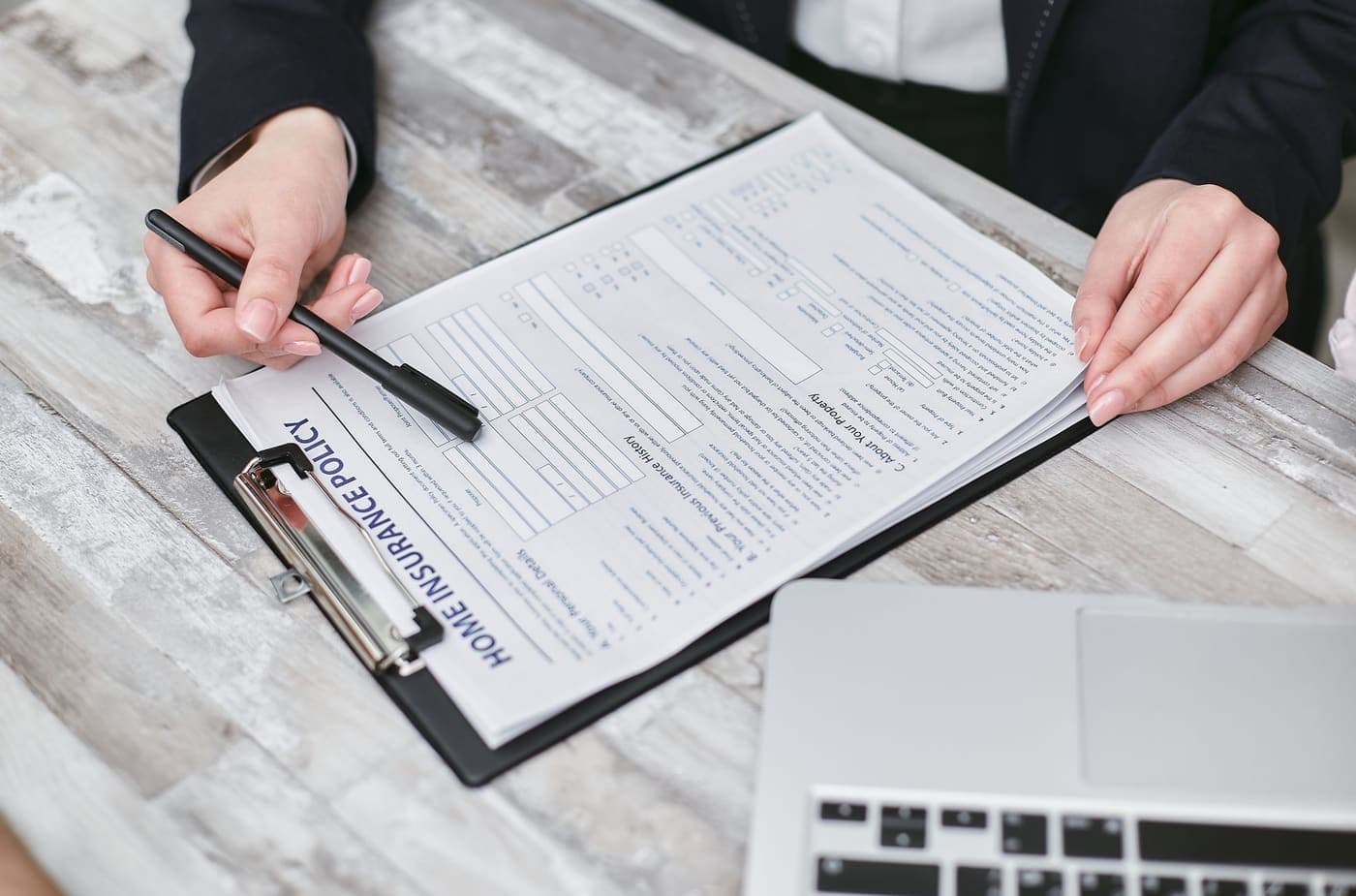
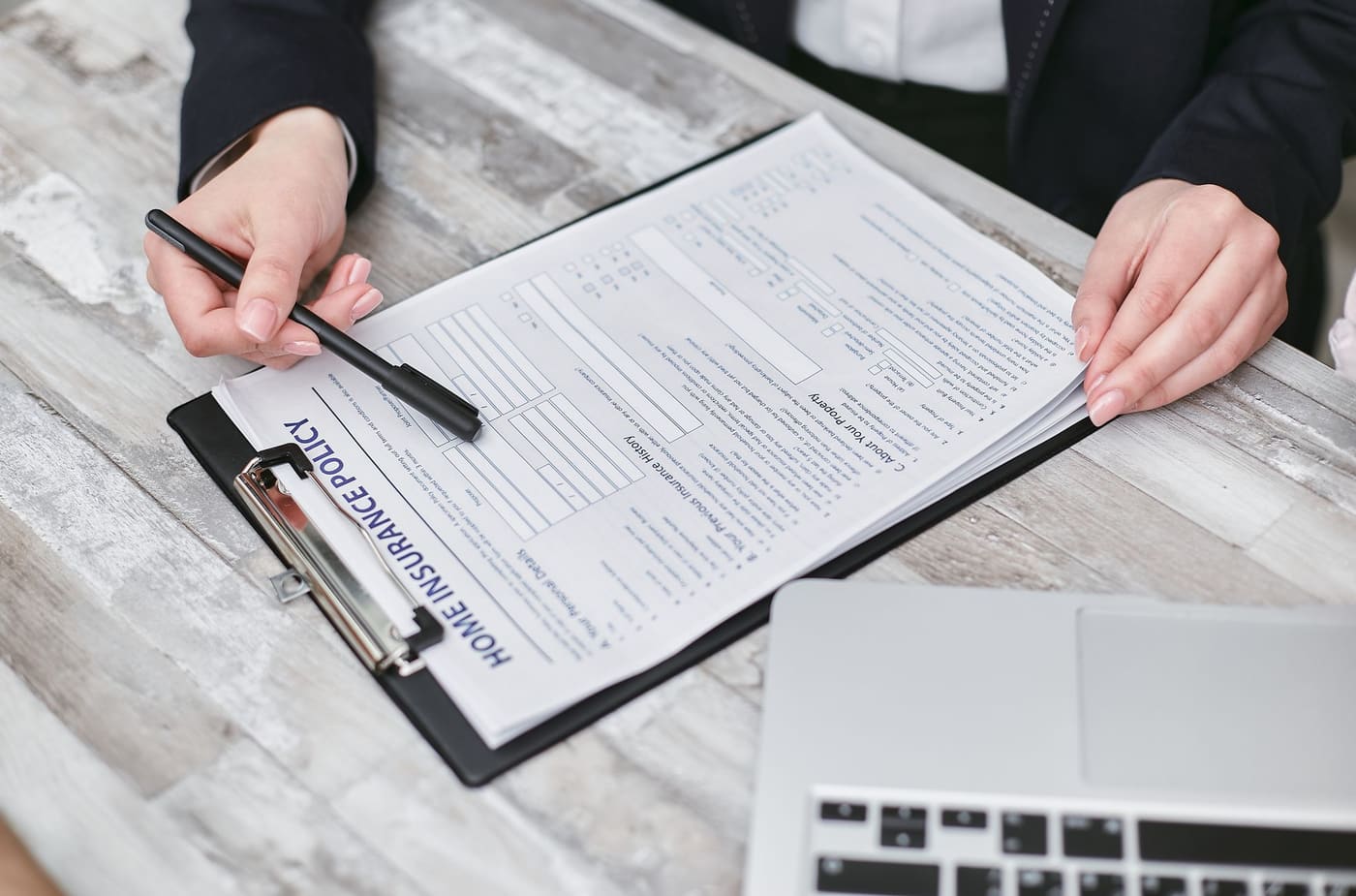
An Assignment of Benefits (AOB) transfers your right to deal with the insurer over to the contractor — they bill your carrier directly and control the claim conversation. Not every AOB is predatory; many legitimate firms use them to simplify billing.
But understand what you are handing over: once signed, the contractor negotiates with your insurer, and disputes between them can proceed with you as a spectator holding the liability. Never sign an AOB at the door, on the first visit, or under time pressure. Take it away, read it, and ask specifically what happens if the insurer pays less than the contractor bills.
The Other Patterns Worth Knowing
"Leftover materials from another job." A price that seems impossibly low usually is. This pitch is decades old and still working.
Unlicensed and uninsured. Licensing varies by state — several require a specific mold remediation license — and a contractor without liability insurance means damage during the work becomes your problem. Ask for both, verify both, and remember that IICRC certification is not a license.
Free inspection that finds catastrophe. A no-cost inspection is normal. A no-cost inspection that discovers an urgent five-figure problem requiring a signature today is a sales script.
Referral-fee schemes. Some outfits pay for lead handoffs and bake the cost into your invoice. Ask directly whether anyone is being paid to route your job.
per sq ft, mitigation only
- Category 1Clean supply water
- Category 2Grey water
- Category 3Black water
Extraction and drying only. Rebuilding drywall, floors and cabinets is priced separately.
The mold clock on wet material
- Hour 0Water stopsShut the supply and start getting water out. Drying begins here.
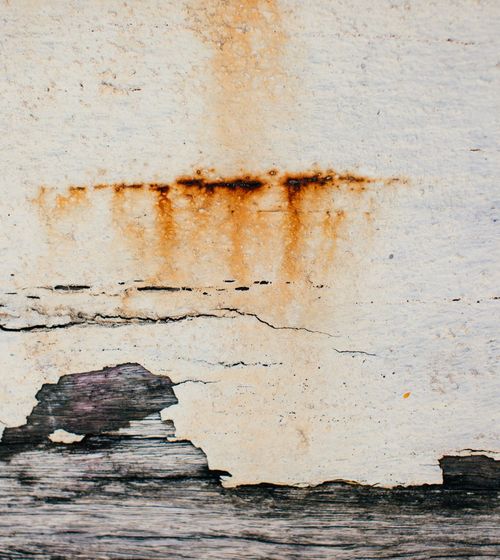
- About 24 hSpores germinateMold spores start growing on wet drywall, carpet pad and wood.
- 48–72 hVisible coloniesGrowth you can see and smell. Drying becomes a mold job.
 Serving US homesCertified US companiesCall nowLine answered 24/7

How to Protect Yourself from Water Damage Contractor Scams
- 1Verify the contractor's license and insurance before work beginsBefore allowing any restoration contractor onto your property, obtain their state license number and verify it through your state's…
- 2Get at least three competing written estimatesContact at least three licensed restoration companies for written itemized estimates before authorizing full-scope work.
- 3Read every contract carefully — never sign an AOB without counselRead every document a contractor presents before signing, including work authorization forms, direction-to-pay agreements, and any…
- 4Confirm equipment placement and daily rates in writing before placementBefore any drying equipment is placed in your home, obtain a signed equipment agreement listing each unit by serial number, its daily…
- 5Report suspicious contractors to state licensing boards and your insurer's SIUIf you believe a contractor has submitted inflated invoices, retained equipment without authorization, or pressured you into signing…
Talk to a water damage pro now
Answered 24/7 · Toll-free · no obligation
(864) 806-2818- Enter your ZIP when asked
- Stay on through the short quiet while it connects
- A local certified company explains the job and price
The Order That Protects You
Documentation → Insurer → Contractor. Always that sequence.
Photograph everything before any non-emergency work begins, notify your carrier and understand what your policy covers, and only then sign a scope. Our insurance claim checklist walks the documentation, and does homeowners insurance cover water damage covers what is typically payable.
The exception is genuine emergency mitigation — stopping the water and starting extraction. That is time-critical and every policy expects you to act. Even then: photograph first, and get the scope in writing before demolition begins.
Five Questions That End Most Scams
- 1What is your state license number, and who carries your liability insurance?
- 2Which technician on this job holds IICRC certification, and what is their number?
- 3Can I have the scope in writing, with unit pricing, before work starts?
- 4What is your deposit policy, and what payment methods do you accept?
- 5Are you asking me to sign an assignment of benefits, and what does it change for me?
A legitimate contractor answers all five without hesitating. Anyone who deflects, rushes, or gets offended has told you what you needed to know.

If You Have Already Been Scammed
File with your state attorney general and department of insurance, report to the BBB and the National Insurance Crime Bureau, notify your carrier immediately (fraud may affect your claim), and keep every document, photo and text message. If the contractor took a deposit and vanished, that is theft, not a business dispute.
Bottom Line
The pattern is boringly consistent: they arrive uninvited, they hurry you, and they want money or a signature before a written scope exists. Apply the five questions, keep the documentation-first order, and take any contract away from the door before signing it. For choosing well rather than just avoiding harm, see how to choose a restoration company.
Serving US homesCertified US companiesCall nowLine answered 24/7Water moves fast. What you do first decides if it stays a drying job.
Do this first
- Shut off the mainNear the meter or where the line enters.
- Kill power to wet roomsFlip the breaker before you step in.
- Photograph everythingBefore you move or throw anything out.
Reading to confirm what you already suspect?
Confirm it in two minutes instead — the pro on this line answers questions about YOUR situation all day: what it is, what it should cost, whether you even need service. If you want, they'll set the appointment on the same call.
Toll-free · no obligation · asking costs nothing
Frequently Asked Questions
What is an Assignment of Benefits (AOB) agreement and why is it risky?
An Assignment of Benefits (AOB) agreement is a document that transfers your insurance claim rights from you to a third party — typically a contractor. When you sign an AOB, you authorize the contractor to file the insurance claim, negotiate with your insurer, and collect payment directly. The contractor's financial interests then diverge sharply from yours: they benefit from inflating the scope of work because a larger claim means a larger payment.
In states with aggressive AOB markets — particularly Florida before the January 2023 reform — contractors routinely used AOB agreements to submit inflated invoices and then sue insurers when they disputed the charges, collecting legal fee multipliers that further inflated costs. Even outside Florida, signing an AOB can leave you unable to negotiate your own claim, unaware of what was submitted on your behalf, and liable for any disputed charges the insurer refuses to pay. Never sign an AOB without first reviewing it with a licensed public adjuster or attorney.
How do I recognize a storm chaser contractor?
Storm chaser contractors are typically out-of-state crews or opportunistic local operators who mobilize immediately after a weather event and solicit work door-to-door. Warning signs include arriving unsolicited within hours of a storm, offering to waive your deductible (which is insurance fraud in most states), claiming a 'free inspection' will find damage that is 'definitely covered,' and applying high-pressure tactics to secure your signature on the spot.
Legitimate restoration companies do not need to approach homeowners at their door — they have established local reputations, licensed crews, and verifiable business addresses. Storm chasers frequently carry minimal liability insurance, perform substandard work, and disappear before punch-list items are completed. Ask for the contractor's state license number and verify it through your state's licensing board website before any work begins. No reputable company will object to providing license and insurance documentation.
What is Xactimate and how can it be used fraudulently?
Xactimate is the industry-standard estimating software used by insurance adjusters, contractors, and public adjusters to price water damage and restoration work. It generates line-item estimates using regional labor and material costs, providing a consistent pricing framework across the industry. Its widespread acceptance makes it powerful — and exploitable.
Fraudulent contractors manipulate Xactimate estimates by applying inapplicable geographic cost multipliers that inflate base prices, listing equipment (dehumidifiers, air movers, negative air machines) that was never placed on-site, billing for extended drying time that exceeds what moisture readings document, and itemizing materials that were not actually used. A legitimate Xactimate estimate should be tied directly to the documented scope of loss — moisture readings, affected square footage, and photographic evidence. If you receive an estimate listing equipment you never saw on-site or drying periods measured in weeks, request itemized documentation for each line before authorizing any payment.
What does 'equipment hostage' mean in water damage restoration?
Equipment hostage is a predatory practice in which a restoration contractor places drying equipment in your home — dehumidifiers, air movers, and structural drying mats — and then refuses to remove it until you pay a disputed or inflated balance. Because the equipment is technically on your property and under the contractor's operational control, they use its continued presence as financial use. Some operators intentionally leave equipment running for weeks beyond what moisture data indicates is necessary, accumulating daily rental charges that can reach hundreds of dollars per day per unit.
Protect yourself by obtaining a signed equipment agreement listing each unit, its daily rental rate, and the expected drying duration before any equipment is placed. Request daily moisture logs that justify continued equipment operation. If moisture readings confirm the structure has reached drying standards but equipment remains on-site, formally request removal in writing and notify your insurance company and state licensing board simultaneously.
How do I verify a water damage contractor is licensed?
Contractor licensing requirements for water damage and mold remediation vary by state, but most states that require licensure publish searchable verification databases on their contractor licensing board or Department of Consumer Affairs websites. Ask the contractor for their license number, the name under which it is issued, and the specific license type. Cross-reference this information against the state database — not the contractor's own website or printed materials.
Also verify general liability and workers' compensation coverage by requesting certificates of insurance directly from their insurer's agent, not the contractor. Industry certifications from the Institute of Inspection, Cleaning and Restoration Certification (IICRC) — specifically the Water Damage Restoration Technician (WRT) or Applied Structural Drying (ASD) credentials — indicate professional training but are not substitutes for state licensure. Membership in trade organizations like the Restoration Industry Association (RIA) provides an additional, though not definitive, marker of legitimacy.
Should I get multiple estimates before signing anything?
YesAlways. Getting at least three competing estimates before signing a contract with any water damage restoration company is standard practice that can save you thousands of dollars and protect you from inflated billing. Emergency mitigation (water extraction and initial drying) may need to begin before a competing estimate is possible, but even in those cases you should request an itemized contract before work starts and withhold authorization for anything beyond emergency extraction until you can evaluate your options.
For the reconstruction phase — replacing drywall, flooring, cabinetry, and structural components — there is almost always time to get three bids. Compare estimates line by line rather than bottom-line total, since fraudulent estimates often hide inflated charges in granular line items. Share all estimates with your insurance adjuster, who can identify items exceeding industry-standard Xactimate pricing. If estimates vary by more than 30%, ask each contractor to justify the discrepancy in writing.
Who do I call right now for water damage?
Call (864) 806-2818. The line is answered 24/7, and connects you with an IICRC-certified water damage restoration company that serves your area. A recorded prompt picks up first: key in your 5-digit ZIP code, and hold through the short silence while the call is passed to the company.
Describe what you can see — where the water is coming from, how long it has been there, and whether it smells — the more specific you are, the faster the right company is on the line. If the source is a pipe or an appliance, shut the main water valve first. Have four things ready and the call goes quickly: the address, when the water started, what is wet now, and whether you have filed an insurance claim.
Still not sure which of these is your situation? (864) 806-2818 · toll-free · answered 24/7
Sources
- Florida Office of Insurance Regulation — Assignment of Benefits Reform(retrieved 2026-07-15)
- IICRC S500 Standard for Professional Water Damage Restoration(retrieved 2026-07-15)
- National Insurance Crime Bureau (NICB) — Contractor Fraud After Disasters(retrieved 2026-07-15)
- Insurance Information Institute — Insurance Fraud Overview(retrieved 2026-07-15)
Methodology: How we source and verify data · Report an error
Disclaimer: HearthDry is an independent educational resource. This article is for informational purposes only and does not constitute professional, legal, or insurance advice. Consult licensed professionals before making decisions about your property or insurance claims.
Free 2-day shipping
Amazon Prime members pay no shipping on restoration equipment
Dehumidifiers, air movers, and moisture meters qualify for free Prime delivery — bulk items that otherwise cost $15–$40 to ship.
Affiliate link — HearthDry earns a bounty if you sign up; costs you nothing extra.
Equipment
What each machine actually does
Removes the moisture the structure is still giving off — the machine that decides how long drying takes
See the picks →Moves air across wet surfaces so the dehumidifier has something to take out of the air
See the picks →Finds water behind walls and under floors, and tells you when a material is actually dry
See the picks →Alerts you the moment a leak starts; a small cost, and the one preventive item here
See the picks →Those pages carry affiliate links. As an Amazon Associate, HearthDry earns from qualifying purchases; it costs you nothing extra.
Our Amazon storefront →Advertisement
