
Quick answer
A water heater's age is coded in the serial number on the rating label on the side of the tank. On most Rheem and Ruud heaters, the first four digits after the letters are the month and year, so 0516 is May 2016. On newer A.O. Smith and State heaters, the first four digits are the year and week, so 1712 is 2017, week 12. Bradford White uses two letters for year and month, with a chart on its site. Tank heaters commonly last about 8 to 12 years. Call (888) 217-6781 to reach a plumbing company taking calls in your ZIP.
Follow the short menu, then your 5-digit ZIP. The line goes quiet for a few seconds while it connects; stay on. If it does not connect, call once more: companies taking calls change minute to minute.

Written & reviewed by Marcus ReedIICRC WRT
Reviewed November 4, 2026· Next review May 2027
Knowing how old your water heater is helps you decide whether a repair is worth it, and when to start planning a replacement before it leaks.
Find the Label
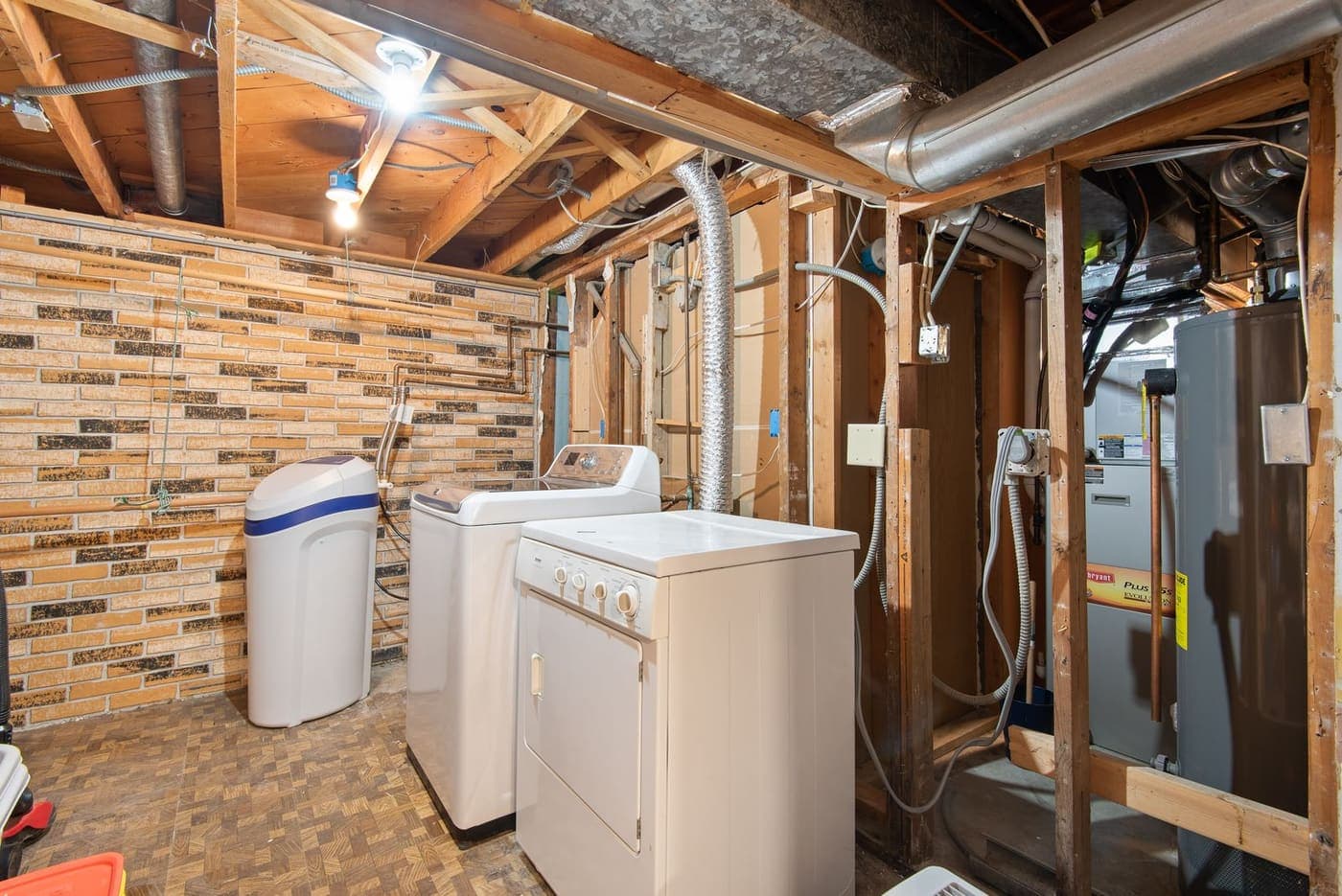
The rating label is on the side of the tank, usually near the gas control or the upper access panel. It lists the model number, the serial number, the capacity and the energy type. Take a photo of it.
Read the Date by Brand
| Brand | How the date is coded | Example |
|---|---|---|
| Rheem, Ruud, Richmond | First four digits after the letters: month and year (MMYY) | 0516 = May 2016 |
| A.O. Smith, State (newer units) | First four digits: year and week (YYWW) | 1712 = 2017, week 12 |
| Bradford White | First letter is the year, second the month, on a repeating letter cycle | See the Bradford White chart |
| Others | Varies | Check the brand's site or call its support line with the serial |
Older units and some brands use different formats, so if the code does not fit, the brand's support site or warranty lookup is the reliable answer.
What the Age Means
| Age | What it usually means |
|---|---|
| Under 6 years | Repairs are usually worth it; check the warranty |
| 6 to 10 years | Repair common parts; plan for replacement |
| Over 10 years | A tank leak or major failure usually means replacing it |
See how long does a water heater last and water heater repair or replace.
Talk to a plumber about this
One call reaches a plumbing company taking calls in your ZIP.
Signs It Is Near the End
- Rusty hot water, or rust at the base or fittings.
- Rumbling or popping from heavy sediment.
- Water around the base. See water heater leaking.
What Replacement Costs
See water heater installation for typical installed prices by type.
The Call
Call for a replacement quote when the heater is past 10 years and leaking or failing. (888) 217-6781 connects you to a plumbing company taking calls in your ZIP. Follow the short menu, enter your 5-digit ZIP and stay on while it connects; if it does not connect, call once more, because the companies taking calls change minute to minute.
Reading to confirm what you already suspect?
Confirm it in two minutes instead — the pro on this line answers questions about YOUR situation all day: what it is, what it should cost, whether you even need service. If you want, they'll set the appointment on the same call.
No obligation to book
Frequently Asked Questions
How do I tell how old my water heater is?
Read the serial number on the rating label. Most brands code the manufacture month and year into the first characters; the brand's website explains its format.
How long does a water heater last?
Tank water heaters commonly last about 8 to 12 years; tankless units often last longer. Hard water and skipped maintenance shorten that.
Should I replace a 10-year-old water heater?
Not automatically, but at that age a leak from the tank, rust in the water or a major part failure usually makes replacing it the better choice.
Sources
Methodology: How we source and verify data · Report an error
Disclaimer: HearthDry is an independent educational resource. This article is for informational purposes only and does not constitute professional, legal, or insurance advice. Consult licensed professionals before making decisions about your property or insurance claims.