
Quick answer
A water heater leaking from the top is usually a repairable part — inlet/outlet fittings, the TPR valve, or the anode port ($150–$400 fixed). Leaking from the bottom splits three ways: the drain valve (repairable), condensation (harmless), or the tank body itself — which is terminal and means replacement ($1,200–$2,500 installed). Dry everything, watch where fresh water appears, and if it's the tank body, plan the replacement now rather than after the 40–80 gallon release. Call (888) 840-6512 to reach a certified water damage restoration company in your area; the line is answered 24/7.
Written & reviewed by Marcus ReedIICRC WRT
Reviewed August 19, 2026· Next review Feb 2027
Top or Bottom: The Question That Decides Everything
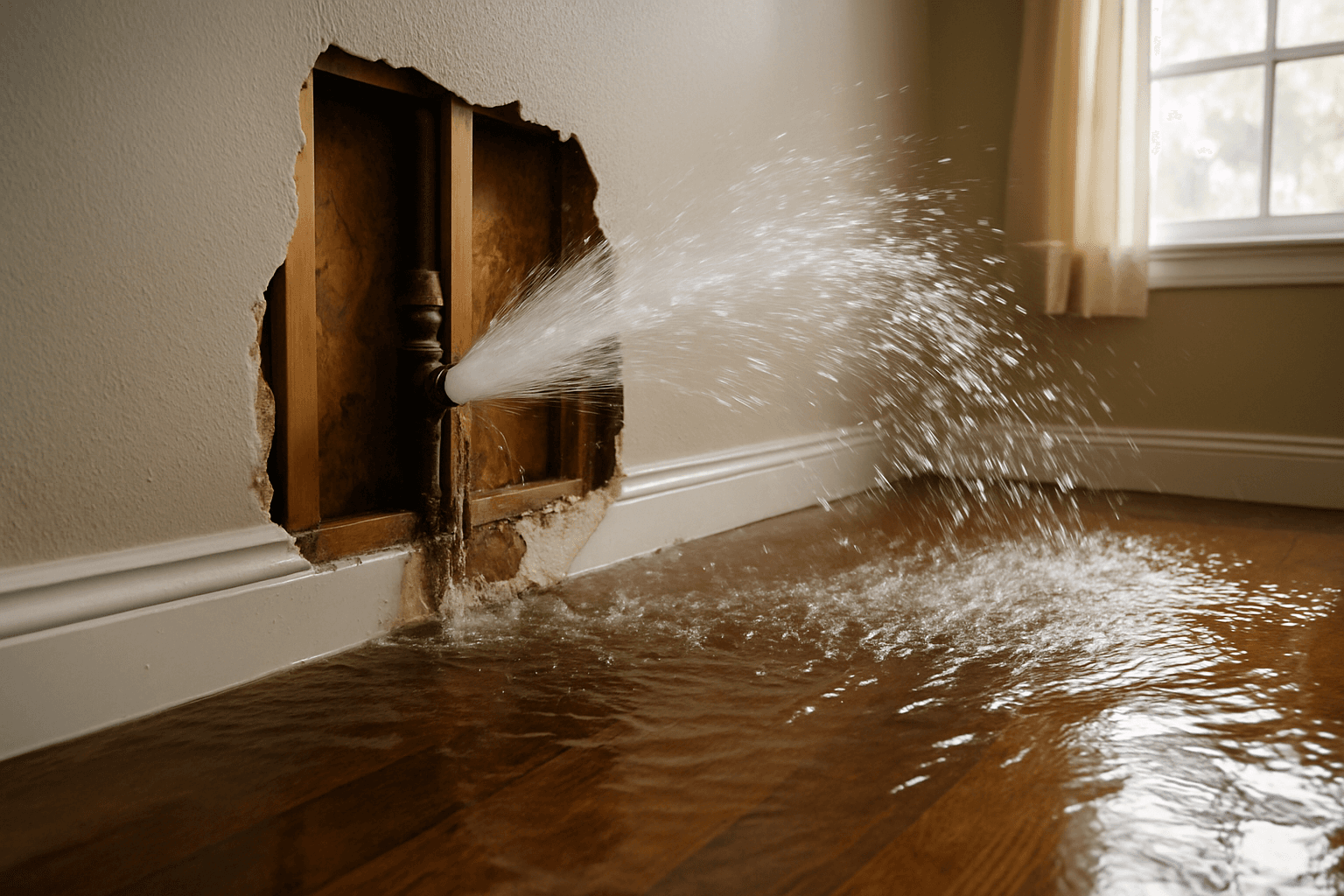
Twenty-four hundred people a month ask why their water heater is leaking from the top; hundreds more ask about the bottom. The location is the diagnosis: top leaks are parts, bottom leaks might be the tank — and a tank leak is the one with a deadline attached, because the failure mode of a corroded tank ranges from a slow puddle to a 40–80 gallon release across your floor.
If Water Is Flowing Now: Three Shut-Offs
Cold supply valve above the heater (stops the refill) → power (breaker for electric — elements burn out in a draining tank — gas dial OFF for gas) → a hot tap opened elsewhere to relieve pressure. The full house-level version, including what to do when a valve won't turn, is in our emergency water shut-off guide.
Top Leaks: The Repairable Three
| Source | Sign | Fix |
|---|---|---|
| Inlet/outlet fittings | damp at the pipe connections | quarter-turn with two wrenches, or $150–$300 plumber |
| TPR valve | drips at the valve or discharge pipe | $20 part / $150–$300 installed |
| Anode rod port | weeping at the top port | reseal/replace, often with anode swap |
One of these deserves respect: the TPR valve exists to relieve dangerous overpressure. A valve that weeps once may just be tired; a new valve that *keeps* discharging is telling you the tank is over-pressurizing — thermal expansion, a failed regulator — and that's a same-day plumber call, not a drip tray.
Talk to a water damage pro now
Answered 24/7 · Toll-free · answered 24/7 · no obligation
(888) 840-6512Mold can establish within 24–48 hours of water exposure — drying started today stays a drying job.
- Describe the damage & give your ZIP
- You're routed to the on-call local crew
- They quote — you decide, no obligation
Bottom Leaks: The Three-Way Split
The drain valve — beads at the outlet or threads. A hose cap stops a weeping outlet today; a valve swap is $100–$250.
Condensation — a cold, freshly filled tank in a humid garage sweats evenly all over and dries as the water heats. If the moisture vanishes after a heating cycle, nothing is broken.
The tank body — seepage from under the tank with a dry drain valve, rust streaks down the base, crusty corrosion tracks. This is the glass lining failed and rust through steel — no sealant, no repair, no exceptions. The tank is done; the only variable is whether you replace it on your schedule or its schedule.
Repair vs Replace: The Honest Math
| Situation | Call |
|---|---|
| Top fitting/valve leak, tank under 10 years | repair — $150–$400 |
| Drain valve leak, tank under 10 years | repair — $100–$250 |
| Any tank-body leak | replace — $1,200–$2,500 installed |
| Tank 10+ years with any leak | replace — you're buying time, not fixing |
Standard 40–50 gallon replacements run $1,200–$2,500 installed; power-vent and code-upgrade situations reach $3,500; tankless conversion $2,500–$5,500. A tank past ten years leaking *anywhere* has earned replacement — the anode is spent, the lining is tired, and the next failure is scheduled whether you attend or not.

The Floor Under the Heater
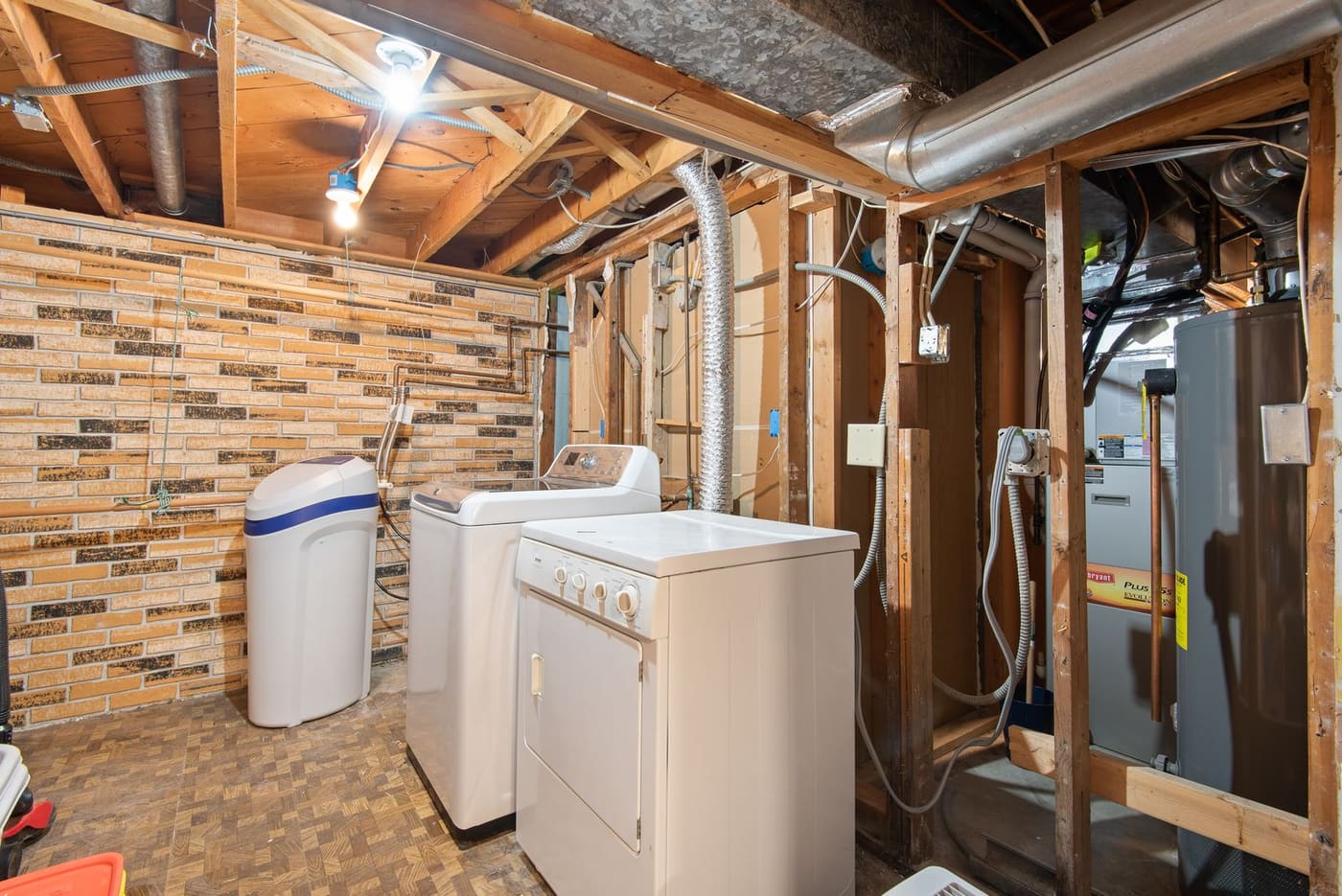
Water heaters live in closets, garages, and utility corners where a slow leak works unseen. While you're down there: touch the floor around the base, look for swollen baseboard and darkened concrete, and check the ceiling below an upstairs heater. A pan under the heater with a drain line is code in many places and cheap insurance everywhere. Slow leaks that ran for weeks are a drying job before they're a flooring job — and if the water reached walls or living space, photograph everything before cleanup: sudden tank failures are among the most commonly covered water losses in homeowners insurance.
Bottom Line
Dry the tank, watch where fresh water appears. Top and drain-valve leaks are $100–$400 repairs; condensation is free; a tank-body leak is a replacement decision on a timer. And whichever it is, the ten minutes spent checking the floor around the heater is the difference between a plumbing bill and a plumbing-plus-restoration bill.
Reading to confirm what you already suspect?
Confirm it in two minutes instead — the pro on this line answers questions about YOUR situation all day: what it is, what it should cost, whether you even need service. If you want, they'll set the appointment on the same call.
Toll-free · no obligation · asking costs nothing
Frequently Asked Questions
Why is my water heater leaking from the top?
Top leaks come from serviceable parts: the cold inlet and hot outlet connections (loose or corroded fittings), the temperature & pressure relief (TPR) valve weeping or discharging, or the anode rod port.
All are repairable — $150–$400 with a plumber — because the tank itself is intact. Tighten-and-watch is reasonable for a damp fitting; a TPR valve that keeps discharging needs a pro, since it can signal overpressure.
Why is my water heater leaking from the bottom?
Three possibilities: the drain valve (repairable — $100–$250), condensation on a cold tank in a humid room (harmless — disappears as the tank heats), or the tank body itself weeping through corrosion at the base.
A tank-body leak is terminal: the glass lining has failed and rust has come through steel. No sealant fixes it — that's replacement, and on its own schedule, soon.
How do I tell if it's the drain valve or the tank?
Dry everything, then watch: water beading at the drain valve's outlet or threads is the valve (cap it or replace it).
Water seeping from under the tank with a dry drain valve, or rust streaks and bulging at the base, is the tank body. A tank leak only ever gets worse — the failure mode ranges from a slow puddle to a 40–80 gallon release.
How much does it cost to replace a leaking water heater?
A standard 40–50 gallon tank replacement runs $1,200–$2,500 installed; power-vent, larger, or code-upgrade situations run to $3,500. Tankless conversion runs $2,500–$5,500. If your failed tank is 8+ years old, replacement is the only honest recommendation — repairs on a corroded tank buy weeks, not years.
What should I do right now if the water heater is actively leaking?
Three shut-offs, in order: the cold water supply valve on the line above the heater (stops the refill), power — breaker for electric, gas dial to OFF for gas — and if the leak is significant, open a hot tap elsewhere to relieve pressure.
Then move belongings, photograph everything, and check what the water reached — heater closets and garages hide subfloor damage.
Why is my water heater leaking from the pressure relief valve?
The temperature and pressure (T&P) relief valve is designed to discharge when tank pressure or temperature climbs too high — so a dripping T&P valve is either doing its job (thermostat set too hot, thermal expansion with no expansion tank, municipal pressure spikes) or failing from sediment and age.
Occasional drips point to a pressure problem; steady leaking usually means the valve needs replacing. Either way it is a warning worth a same-week plumber visit — the valve is the tank's last safety device.
Is a water heater leak covered by insurance?
The split follows the suddenness rule: if the tank fails or a supply line lets go and floods the room, the resulting water damage to floors and walls is generally covered — but the water heater itself usually is not, since its failure is treated as wear and tear.
A slow drip that rotted the floor over months is typically excluded as gradual damage and maintenance. Photograph everything before cleanup and report fast; the timeline is what the adjuster evaluates.
Who do I call for a leaking water heater?
A plumber for the heater, and a restoration company for the floor — which one first depends on what's happening. Actively spraying or a failed tank dumping its 40–50 gallons: shut the cold inlet valve on top of the unit, then call a restoration company to extract and dry, then the plumber for replacement.
A slow drip you have contained with a bucket: plumber first is fine. The trap: the heater sits on wood framing or in a closet more often than not, and the water that already escaped keeps soaking downward while you wait on plumbing appointments — that soaked platform is a restoration job, not a plumbing one.
Is a leaking water heater an emergency?
It dependsOn which leak. Water spraying from a fitting, a tank seam letting go, or leaking near electrical components: yes — shut the cold-water inlet and the breaker (electric) or gas valve, and get same-day help.
A slow drip from the drain valve or the T&P relief valve into a pan: urgent but schedulable — book a plumber this week and watch it. The one never to ignore: a T&P valve that discharges repeatedly, because it is the tank's pressure safety telling you something is wrong upstream.
Who do I call right now for water damage?
Call (888) 840-6512. The line is answered 24 hours a day, seven days a week, and connects you with an IICRC-certified water damage restoration company that serves your area. Describe what you can see — where the water is coming from, how long it has been there, and whether it smells — the more specific you are, the faster the right company is on the line.
If the source is a pipe or an appliance, shut the main water valve first. Have four things ready and the call goes quickly: the address, when the water started, what is wet now, and whether you have filed an insurance claim.
Still not sure which of these is your situation? (888) 840-6512 · toll-free · answered 24/7
Sources
Methodology: How we source and verify data · Report an error
Disclaimer: HearthDry is an independent educational resource. This article is for informational purposes only and does not constitute professional, legal, or insurance advice. Consult licensed professionals before making decisions about your property or insurance claims.
Watch
Source: AMRE Supply — YouTube
Free 2-day shipping
Amazon Prime members pay no shipping on restoration equipment
Dehumidifiers, air movers, and moisture meters qualify for free Prime delivery — bulk items that otherwise cost $15–$40 to ship.
Affiliate link — HearthDry earns a bounty if you sign up; costs you nothing extra.
Equipment
What each machine actually does
Removes the moisture the structure is still giving off — the machine that decides how long drying takes
See the picks →Moves air across wet surfaces so the dehumidifier has something to take out of the air
See the picks →Finds water behind walls and under floors, and tells you when a material is actually dry
See the picks →Alerts you the moment a leak starts — the cheapest thing on this list and the only preventive one
See the picks →Those pages carry affiliate links. As an Amazon Associate, HearthDry earns from qualifying purchases; it costs you nothing extra.
Our Amazon storefront →Advertisement
