
Quick answer
First, stop the water: the oval shut-off valve behind the toilet, clockwise. Then triage: a clean overflow (fresh tank water, no waste) that stayed on tile is a plumber-or-plunger fix you can towel up; an overflow carrying ANY waste, or one that reached carpet, walls or a downstairs ceiling, is Category 3 water — that's a certified restoration call, because contaminated absorbent materials need removal and disinfection, not drying alone. Repeated overflows with gurgling elsewhere in the house point at a main-line blockage: plumber with a camera, restoration for whatever soaked. Call (888) 840-6512 to reach a certified water damage restoration company in your area; the line is answered 24/7.
Press 1 for water damage or 2 for mold, then your 5-digit ZIP. The line goes quiet for about half a minute while it connects — that is normal, stay on. If it does not connect, call once more: companies taking calls change minute to minute.

Written & reviewed by Marcus ReedIICRC WRT
Reviewed September 4, 2026· Next review Mar 2027
Most toilet overflows are a towel job. A few are a biohazard. The difference is not how much water came out — it is what was in it and what it touched, and you can work that out in about a minute.
Stop It, Then Size It Up
- 1Shut the supply. The oval valve on the wall behind the toilet, clockwise until it stops. If it will not turn, lift the tank lid and raise the float by hand, or close the flapper at the bottom of the tank. No valve and no luck: the house main.
- 2Protect the path. Water follows the floor to the doorway and the edges of the room. Towels at the threshold keep it off hallway carpet, which is the thing that turns a bathroom mop-up into a restoration job.
- 3Judge the category. Was it clean water from the tank or supply — a stuck fill valve, a cracked tank? Or did it come up through the bowl, carrying anything at all? That single answer decides the rest of this page.
- 4Photograph and call the right pro. Bowl, floor, anything wet beyond the bathroom, the ceiling of the room below.
Which Overflow Did You Have?
Water damage work sorts water into three categories, and a toilet can produce all of them.
| What happened | Category | What it means |
|---|---|---|
| Tank or supply line leaked; water never went through the bowl | 1 — clean | Dry it promptly. Usually a DIY cleanup on tile. |
| Bowl overflowed with urine only, no solids | 2 — gray | Disinfect hard surfaces. Carpet or pad it reached should come out. |
| Bowl overflowed with any solid waste, or water came up from the drain | 3 — black | Contaminated. Porous materials it touched are removed, not dried. |
The honest rule of thumb: if it stayed on tile or sheet vinyl and it was clean, you can handle it. If it carried waste, or reached carpet, the bottom of a wall, a wood subfloor, or the ceiling below, it has stopped being a cleaning problem.
Who You Actually Need
A plunger, then a plumber — for the blockage. One overflow with an obvious cause is a plunger or an auger. Repeated overflows, or gurgling in other drains when the toilet flushes, point past the toilet to the main drain line; that is a plumber with a camera, and it is worth doing before the next backup rather than after. See who to call for a sewage backup if water is coming up from floor drains or tubs as well.
A restoration company — for anything contaminated or anything absorbent that got wet. Category 3 cleanup is not drying. It is protective equipment, removal of the carpet, pad, baseboard and lower drywall the water touched, disinfection of what remains, and then drying the structure underneath. Done properly it leaves nothing behind to smell in August.
If you are standing in the doorway trying to decide which kind you have, you can describe it to the person who answers (888) 840-6512. It is a short conversation: what came out, where it went, what the floor is made of.
What the restoration company does in your home

1.Finds the water you can't see
Moisture meters and a thermal camera at baseboards, under flooring and behind drywall.
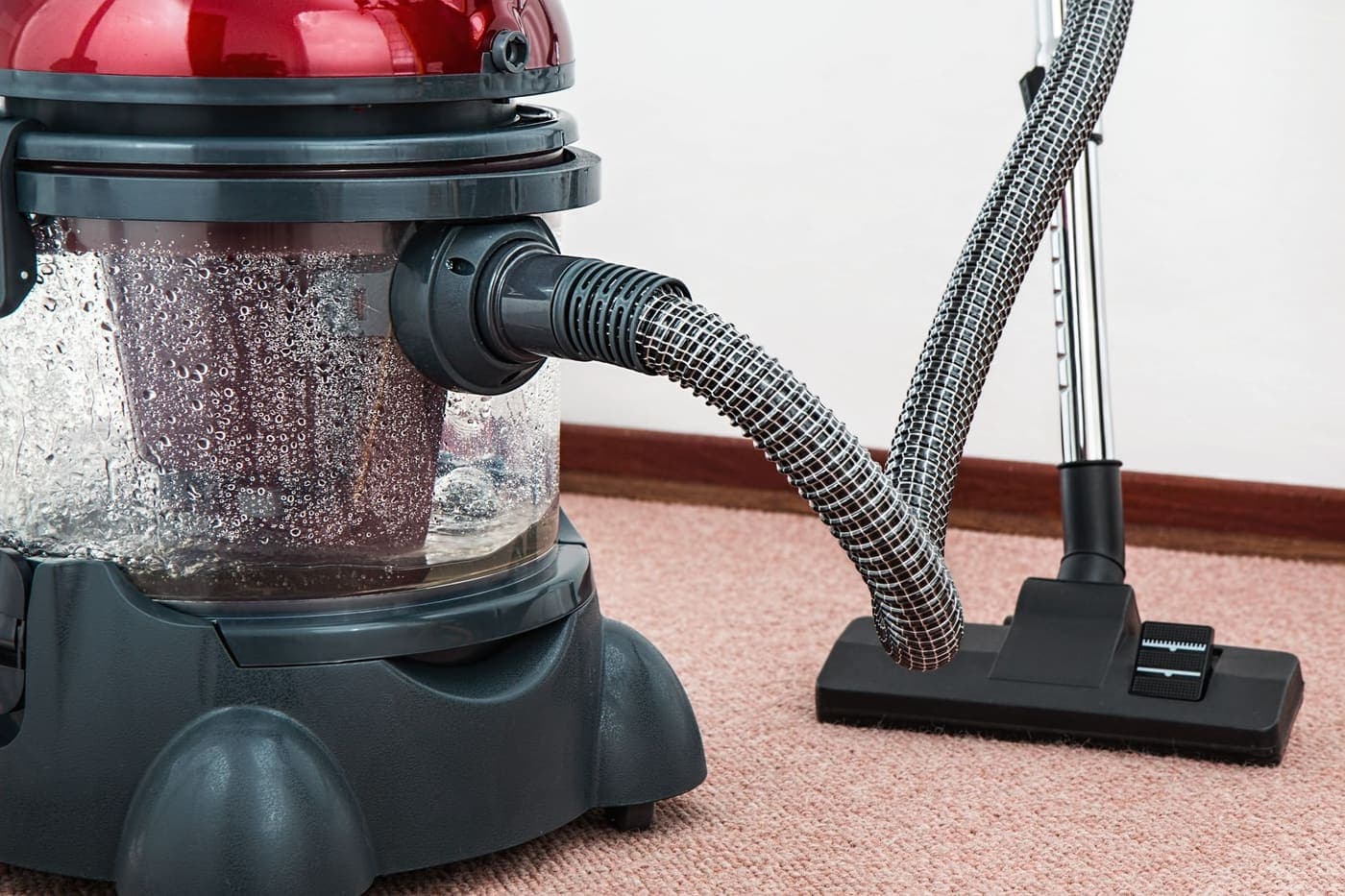
2.Pulls out the standing water
Extraction first, then anything soaked that cannot be dried is removed.
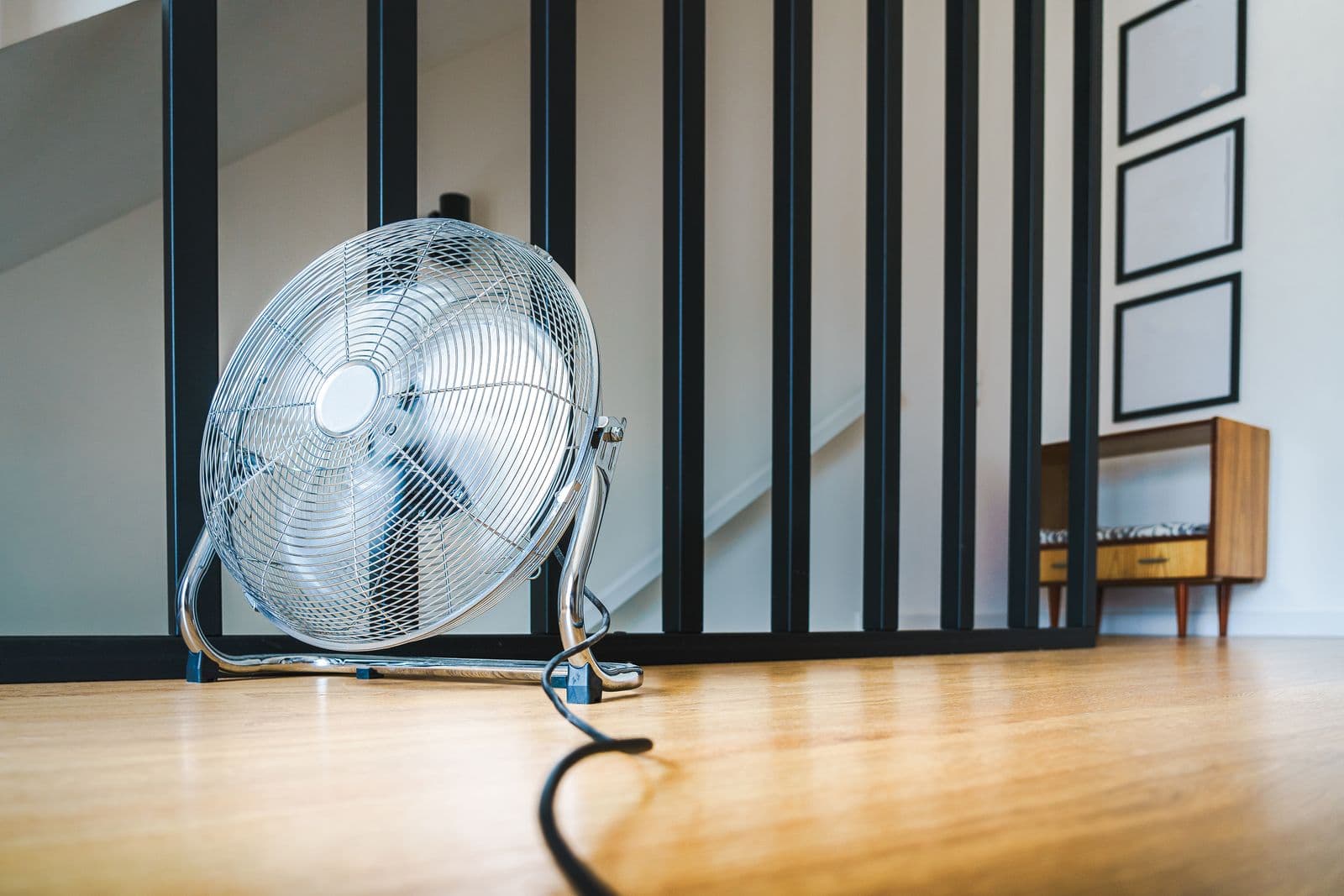
3.Dries it and logs the readings
Air movers and dehumidifiers run until the meter says dry, with a log your insurer can read.
Talk to a water damage pro now
Answered 24/7 · Toll-free · no obligation
(888) 840-6512Mold can establish within 24–48 hours of water exposure — drying started today stays a drying job.
- Press 1 for water damage or 2 for mold, then your ZIP
- Stay on through the short quiet while it connects
- A local certified company explains the job and price
Why "It Looks Clean Now" Is Not the Test
Sewage carries bacteria and viruses that survive on surfaces and inside porous materials after the water is gone. A mop spreads it; a household wet vac aerosolizes it and then keeps it in the hose. Bleach on tile is fine. Bleach on carpet pad is a gesture.
The other thing that does not show is where the water went. Bathrooms are built with gaps — around the flange, under the tub, along the wall plates — and an overflow that lasted a minute can put water into the subfloor and onto the ceiling below. If there is a room underneath, go and look at its ceiling now, and again tomorrow.
What It Costs and What Insurance Does
A clean-water overflow caught on tile costs a roll of paper towels. A contaminated overflow that reached carpet and a wall is a professional job, and contained residential jobs of that kind typically fall in the $1,300 to $5,200 range, rising when the room below is involved. The restoration cost guide explains what drives the number.
Insurance usually treats a sudden overflow from a blockage inside your home as covered water damage. Water that backs up from the sewer or a drain outside your home is different: that needs a sewer-backup endorsement, which most policies do not include by default and which is inexpensive to add. If your overflow came with gurgling floor drains, check for that endorsement before you call the insurer, so you know which conversation you are having. The toilet overflow coverage guide sets out where that line falls, and sewer backup coverage explains the endorsement.
While You Wait for Anyone
Keep children and pets out of the room. Do not run the bathroom fan if it vents into an attic rather than outdoors. Do not use other plumbing in the house if you suspect the main line — every flush and every load of laundry arrives at the same blockage. Wash your hands like it matters, because this time it does.
Bottom Line
Valve, towels at the door, decide the category, photos. Clean water on a hard floor is yours to mop. Anything with waste in it, or anything that reached carpet, a wall or the floor below, is a call to (888) 840-6512 — answered 24/7, connecting you to a certified restoration company near you that handles Category 3 cleanup.
Reading to confirm what you already suspect?
Confirm it in two minutes instead — the pro on this line answers questions about YOUR situation all day: what it is, what it should cost, whether you even need service. If you want, they'll set the appointment on the same call.
Toll-free · no obligation · asking costs nothing
Frequently Asked Questions
- 1clean water, caught fast, tile floor — plunger/plumber, towels are fine
- 2waste involved, ANY amount — Category 3: certified restoration for cleanup and disinfection, plumber for the cause
- 3water reached carpet, baseboards or the ceiling below — restoration regardless of cleanliness, because absorbent materials hold contamination and moisture
- 4it keeps happening or other drains gurgle — plumber with a sewer camera, the blockage is downstream.
- 1the shut-off valve on the wall behind the toilet, clockwise until snug
- 2if the valve is stuck, lift the tank lid and push the flapper closed while raising the float — flow stops instantly, then close the valve or the house main.
Who do I call for an overflowing toilet — plumber or restoration company?
Triage by contamination and spread:
Is toilet overflow water actually dangerous?
If it carried waste, yes — it's Category 3 ('black water') under the IICRC standard regardless of how it looks: bacteria and pathogens contaminate everything absorbent it touched.
Hard floors can be disinfected; soaked carpet, pad and drywall generally come out. Keep kids and pets away and skip the household mop — it spreads contamination.
How do I stop a toilet mid-overflow?
Two moves:
Will insurance cover toilet overflow damage?
Sudden overflow damage is typically covered; sewer/drain BACKUPS often need a specific rider many policies exclude by default — worth checking your policy tonight, before you need it. Either way, photographs plus a certified crew's contamination and drying documentation is what the adjuster wants.
What does professional overflow cleanup involve?
For Category 3: containment of the area, removal of contaminated absorbent materials, extraction, antimicrobial treatment, then measured structural drying with daily readings. It protects the house AND the claim — the pro explains the exact scope and cost for your situation before anything starts.
What happens when I call?
Describe what overflowed, what it reached and whether waste was involved — an IICRC-certified local pro answers 24/7, tells you what's safe to touch tonight, and gives a real arrival window with costs explained up front.
Who do I call right now for water damage?
Call (888) 840-6512. The line is answered 24 hours a day, seven days a week, and connects you with an IICRC-certified water damage restoration company that serves your area. A recorded menu picks up first: choose water damage or mold, key in your 5-digit ZIP code, and hold through the short silence while the call is passed to the company.
Describe what you can see — where the water is coming from, how long it has been there, and whether it smells — the more specific you are, the faster the right company is on the line. If the source is a pipe or an appliance, shut the main water valve first. Have four things ready and the call goes quickly: the address, when the water started, what is wet now, and whether you have filed an insurance claim.
Still not sure which of these is your situation? (888) 840-6512 · toll-free · answered 24/7
Sources
- IICRC S500 Standard for Professional Water Damage Restoration
- III — Water damage and homeowners insurance
Methodology: How we source and verify data · Report an error
Disclaimer: HearthDry is an independent educational resource. This article is for informational purposes only and does not constitute professional, legal, or insurance advice. Consult licensed professionals before making decisions about your property or insurance claims.