Quick answer
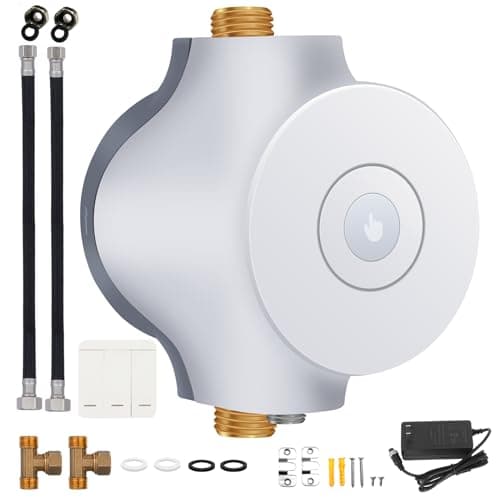
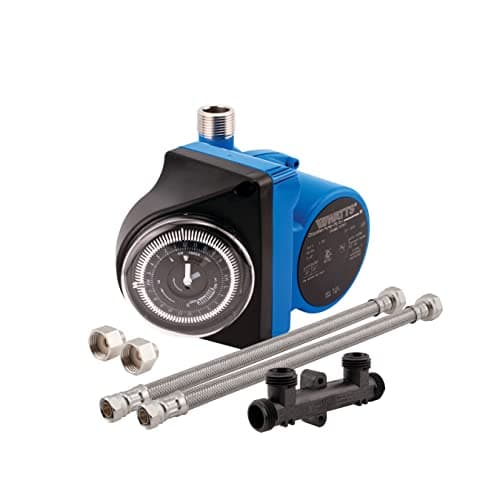
The best hot water recirculating pump for most homes with a tank water heater and no return line is the Watts Hot Water Recirculation System 0955800, rated 4.5 stars across 5,411 Amazon ratings: the pump mounts at the heater, a sensor valve under the farthest sink sends cooled water back through the cold line until the hot side reaches 98°F, and a built-in 24-hour timer limits run time. If your home has a dedicated return line, buy a return-line circulator instead. If you have a tankless heater, the Watts is not designed for it per the listing; check your heater maker's approved recirculation setup first.
Buyer's Guide
What to know before you buy.
The Two System Types: Return Line or Crossover Valve
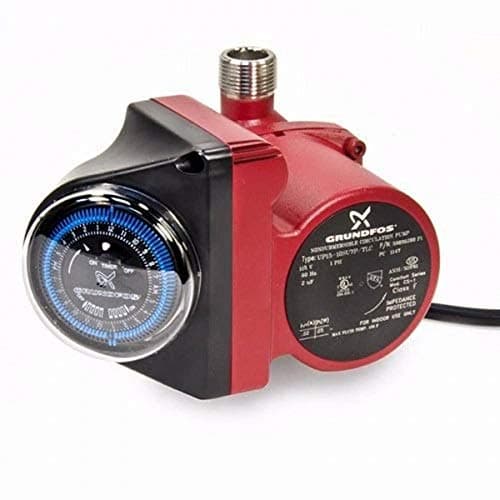
There are two ways to recirculate hot water, and your pipes decide which one you buy. A dedicated return line is a third pipe that runs from the farthest fixture back to the water heater. Homes built with one need only an inline circulator at the heater, and the cold line is untouched; on a drinking-water loop choose a circulator with a bronze or stainless body, not cast iron. Most homes have no return line, so the common retrofit is a crossover kit: a pump at the heater and a sensor valve under the farthest sink that lets cooled water in the hot line pass into the cold line and flow back to the heater. The Watts and Grundfos Comfort kits work this way. To check which you have, look at the top of the heater for a third pipe or a capped return port, or ask whoever plumbed the house.
Why the Cold Tap Can Run Warm
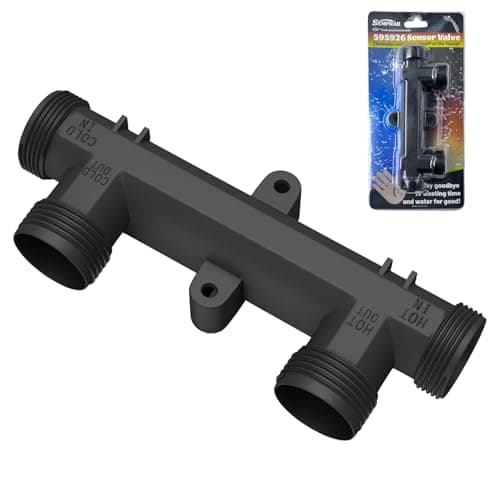
A crossover kit borrows the cold line as its return path, so some of the water sitting in the cold pipe near the valve sink is water that came from the hot side. When you open the cold tap there, the first water out can be lukewarm, and on a long timer setting it can be warm enough to notice in a glass of drinking water. A working valve limits this by closing once the hot side reaches its set point, 98°F on the Watts kit per its listing. If the cold tap stays warm all day, the valve is likely sticking open and a replacement such as the Sxmprail 595926 is the usual fix. A dedicated return line avoids the effect entirely, which is the main reason to prefer one when the plumbing allows it.
Tankless Water Heaters Need a Compatible Setup
Tankless heaters change the rules. A tankless unit fires only above a minimum flow, and a small recirculation pump may not reach it, or may make the burner cycle on and off. Several tankless makers sell their own recirculation kits, and some models have a pump and recirculation mode built in, so the first step is the heater manual or the maker's website, not a pump listing. The Watts kit here is listed as not designed for tankless heaters. The PROZRTED HBS24-12E is listed for tankless use, but the heater maker's instructions should still decide, both for the setup to work and to avoid problems with a warranty claim later. If your manual names an approved kit, buy that one.
Energy, Timers and On-Demand Control
A recirculating pump saves the water you would otherwise run down the drain while waiting, but it costs energy in two ways. The pump motor draws power, which is small on a 25 W unit, and the hot water kept moving in the pipes loses heat through the pipe walls, which the water heater then has to replace. Running the pump around the clock maximizes that heat loss. A timer set to your morning and evening routines cuts it a great deal, and on-demand control, where a button or sensor starts the pump just before use, cuts it further. Insulating accessible hot water pipes, which DOE's Energy Saver guidance recommends, reduces loss either way. How this nets out depends on your fuel, climate and habits, so no general payback figure applies to every home.
Who Should Not Buy a Recirculating Pump
A pump fixes one problem: a long wait for hot water at a fixture far from the heater. It does nothing if the water heater itself is failing. If the water never gets fully hot, runs out quickly, smells, or the heater is leaking, look at the heater first, since a pump will only move lukewarm water around faster. If there is no hot water at all, that is a repair job for the heater, its element, thermostat or burner. Homes with a tankless heater that the maker says is not compatible should use the maker's own kit. And if only one rarely used sink is slow, a small point-of-use water heater under that sink can be simpler than recirculating the whole line.
What to Check Before Ordering
Measure the path from the heater to the farthest fixture, including how many floors it climbs, and compare it with the pump's stated head. Confirm there is a grounded outlet within cord reach of the heater, 10 ft on the Watts and 6 ft on the Grundfos. Check the pipe connections, since these pumps mostly use 3/4 in NPT threads and need adapters for other sizes. Look for a stated NSF or drinking-water certification, and avoid cast iron pump bodies on a domestic hot water line. Make sure you can shut off the water at the heater, and that there is room under the far sink for the valve. If any of that is uncertain, a licensed plumber can usually install a kit in a short visit.
Free 2-day shipping
Amazon Prime members pay no shipping on restoration equipment
Dehumidifiers, air movers, and moisture meters qualify for free Prime delivery — bulk items that otherwise cost $15–$40 to ship.
Affiliate link — HearthDry earns a bounty if you sign up; costs you nothing extra.