Quick answer
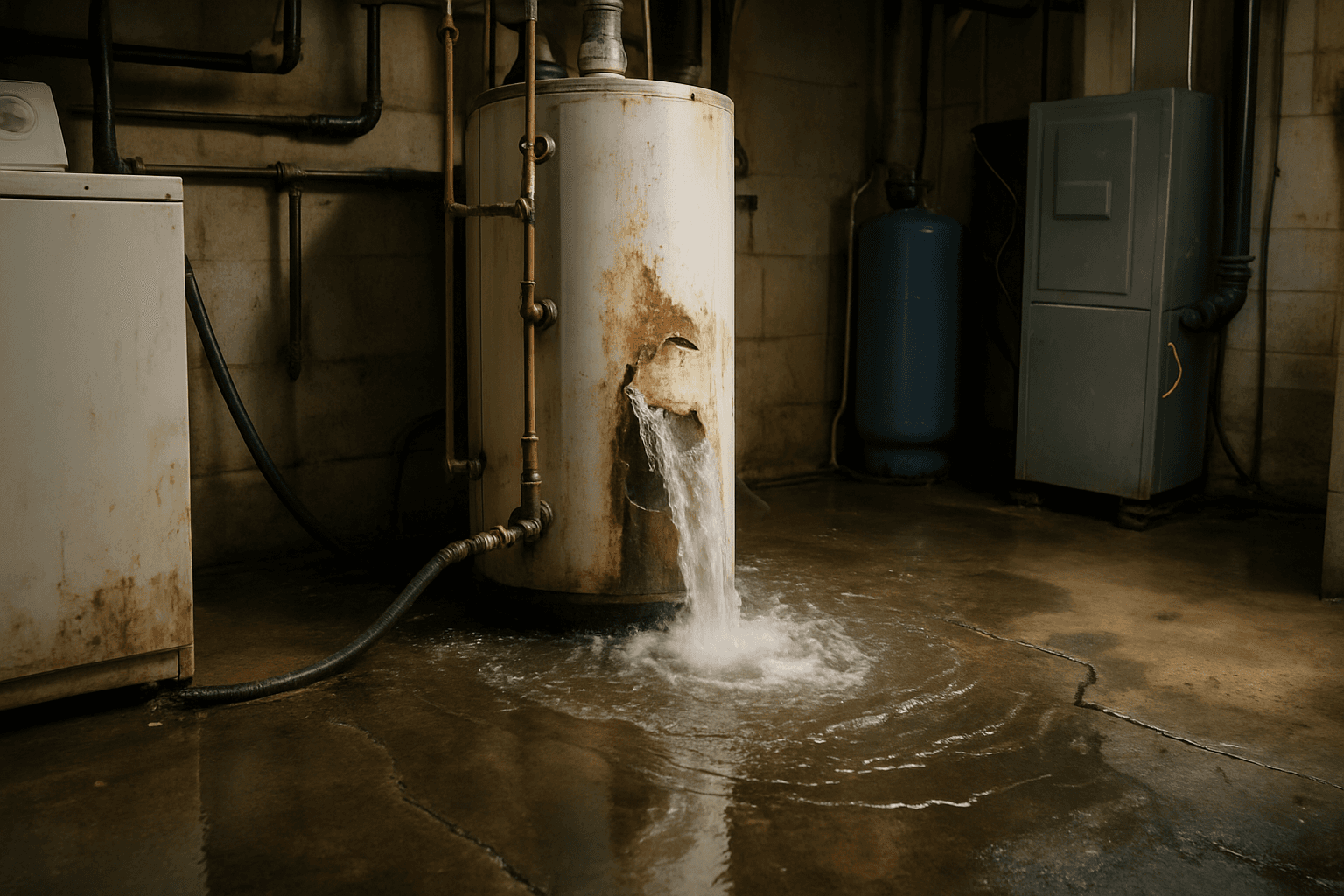
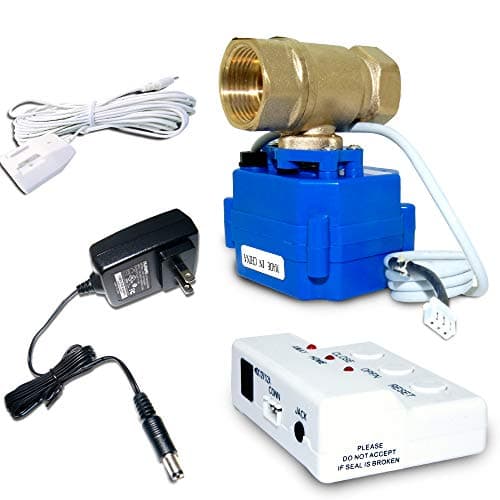
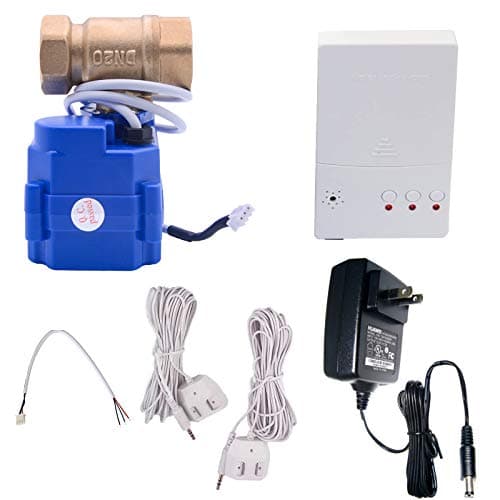
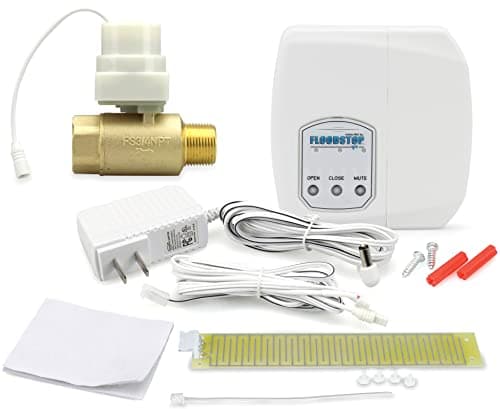
The best water heater shut off valve for most homes is an automatic valve on the cold inlet that closes when a sensor in the drain pan gets wet: if the heater stands above a finished room or runs while nobody is home, buy the FloodStop Water Heater Leak Detector Kit, 3/4 in NPT, rated 4.5 stars across 339 Amazon ratings. If you want a stated shutoff time and a long sensor lead, the E-SDS Water Leak Detector with Shutoff Valve closes within 2 seconds on a 19.68 ft cable, per its listing. No kit on this page cuts gas or electricity to the heater, so after a shutoff you still turn the heater itself off.
Buyer's Guide
What to know before you buy.
Manual or Automatic: Two Valves With One Job
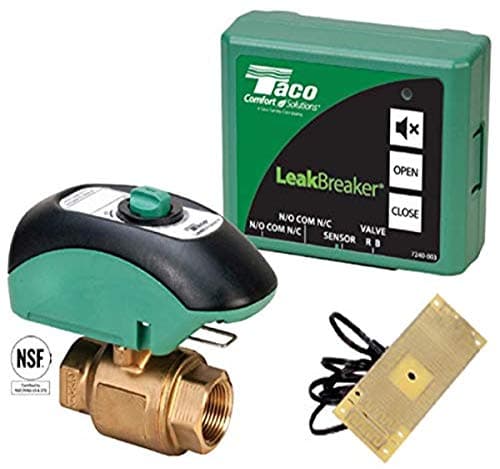
Every tank water heater installed to code already has a shut off valve on its cold inlet, the pipe that feeds the tank, usually a lever ball valve or a wheel gate valve within reach of the top of the heater. Turn a lever a quarter turn across the pipe, or a wheel clockwise until it stops, and the house supply can no longer feed a leak. That valve only works if someone is home, awake and knows where it is. An automatic shut off valve is the same valve with a motor on it and a sensor telling it when to close. The kits from FloodStop, E-SDS and Taco go on that cold inlet; the sensor lies in the drain pan or on the floor at the base of the heater, and a controller closes the valve and sounds an alarm when the sensor gets wet. If your heater has no manual valve at all, that is the first fix, and a plumber can add one.
What a Pan-Sensor Shutoff Stops, and What It Cannot
Closing the cold inlet stops the supply from refilling the tank, which turns an endless flow into a bounded one. It does not make the problem go away: the 40 to 80 gallons already in a tank can still seep out through the leak, which is why the pan and its drain line still matter after the valve shuts. The valve also does nothing about the heat. None of the listings on this page says it cuts gas or electricity to the heater, so after a shutoff you still turn off an electric heater at its breaker and a gas heater at its gas control, because an electric element exposed by a falling water level can burn out and a burner keeps firing under a tank that is no longer being refilled. A leak upstream of the valve, on the supply side, is also beyond its reach. If the temperature and pressure relief valve discharges to a drain outside the pan, that water never reaches the sensor either.
Valve Size and Connection Before You Order
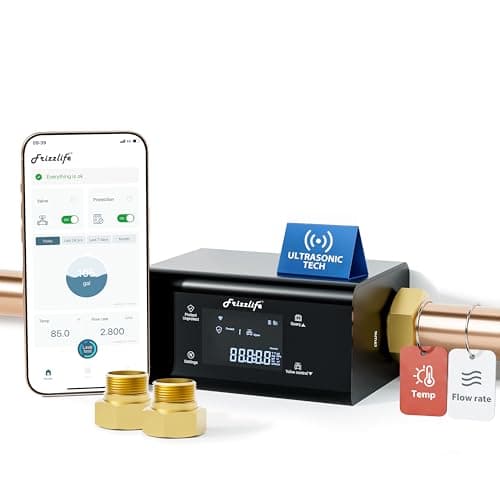
Most residential tank heaters have 3/4 in connections, and every heater-specific kit here lists a 3/4 in NPT valve; E-SDS lists a 1/2 in version separately for smaller lines. Measure the cold inlet before ordering, and look at how it is joined: a threaded nipple with a flexible connector is the easy case, because the valve can thread in between them, while rigid copper soldered to the tank needs cutting and a new fitting. FloodStop's MIP x FIP valve has a male thread on one end and a female on the other, and FloodStop also lists a 3/4 in Press x Press version for press-fit copper. The whole-house Frizzlife LP365 fits 3/4 in and 1 in mains and ships with a 1 in NPT male connection, so a 3/4 in main needs the adapter. Searches for an automatic water heater valve also turn up vacuum relief valves, automatic air vents and hose-barb ball valves; those relieve vacuum, purge air or fit a car heater hose, and none of them closes the supply.
Plug-In, Battery Backup and the Outage Problem
A motorized valve needs power to close, and most hold whatever position they were in when the power dropped, which is open. The listings here are uneven about it. The E-SDS Automatic kit at rank 5 states an AC adapter with four AA batteries as backup, batteries not included. Frizzlife says its LP365 must be plugged in to be networked. The FloodStop NPT kit, the rank-2 E-SDS and the Taco LeakBreaker do not state a power source on their listings, so read the maker's manual and count on needing an outlet within cable reach of the controller. Mechanical valves that use a dissolving element and no power also exist; they are single-use and are not among the listings here. Whichever you fit, the controller should sit where you will see its LEDs, and the first thing to check after any outage is that the valve is still armed, not just that the lights are on.
Pair It With a Drain Pan: Sensor Placement and a Monthly Test
The valve is only as good as the sensor, and the sensor is only as good as where the water goes. Set the heater in a drain pan wider than the tank with its outlet plumbed to a drain, and lay the probe in the lowest part of the pan, not touching the tank, so a weep from the drain valve, the relief valve or a fitting reaches it before it reaches the floor. In a humid room a cold tank refilling after a long shower sweats, and drips into the pan can trip a sensitive probe, so if you get a shutoff on a muggy day with a dry tank, look for condensation before you call anyone. EPA's WaterSense program says the average household's leaks can account for more than 9,300 gallons of water wasted every year; a probe in the pan is one of the few ways a slow drip under a heater gets noticed. Test the kit once a month with a wet cloth on the probe, then dry it and reset.
Who Should Not Buy One, and When a Licensed Plumber Is the Right Call
A pan-sensor valve is the wrong purchase when the tank body is already weeping, because a tank that has rusted through is replaced, not protected; the valve goes in with the new heater. It is also the wrong tool for a tankless heater, which holds no 40 gallons to lose, and for a renter, who needs the landlord's consent to cut into the supply. If the heater is one of several leak worries, the whole-house valves on our smart shutoff page cover more. Call a licensed plumber for any work on a gas water heater's gas line or flue, for a cold inlet that is soldered rather than threaded, for a main-line valve such as the Frizzlife, and wherever your town requires a permit for water heater work, which many do. Once a leak has reached drywall or a subfloor, EPA's guidance is to dry water-damaged areas within 24 to 48 hours to prevent mold growth, and that is a restoration company's job, not a plumber's.
Free 2-day shipping
Amazon Prime members pay no shipping on restoration equipment
Dehumidifiers, air movers, and moisture meters qualify for free Prime delivery — bulk items that otherwise cost $15–$40 to ship.
Affiliate link — HearthDry earns a bounty if you sign up; costs you nothing extra.