
Quick answer
Where a water heater leaks tells you whether it is repairable. Leaks at the drain valve, the temperature-and-pressure relief valve, or the top fittings are usually fixable for under $150. Water seeping from under the tank body means internal corrosion has breached the liner, and the tank must be replaced. In every case, cut the power or gas and close the cold-water inlet first. Call (888) 840-6512 to reach a certified water damage restoration company in your area; the line is answered 24/7.
Written & reviewed by Marcus ReedIICRC WRT
Reviewed August 13, 2026· Next review Feb 2027
First: Where Is It Leaking From?
The location of the water answers most of the diagnosis before you touch a wrench:
| Leak location | Usual cause | Verdict |
|---|---|---|
| Drain valve (bottom spigot) | Loose, debris-fouled, or failed valve | Repair — often under $30 |
| T&P relief valve (side tube) | Overpressure, overheat, or a worn valve | Repair — but find out why it opened |
| Top fittings | Loose cold/hot connections, corroded nipples | Repair |
| Under the tank body itself | Internal corrosion through the liner | Replace — the tank is done |
The one that matters most is the last row. A tank holds 40–50 gallons under constant supply pressure. Once the glass lining and steel shell corrode through, no sealant holds — and the leak only grows.
The 10-Minute Emergency Sequence
Power first, then water. For an electric unit, flip its breaker — heating elements exposed by a draining tank burn out in minutes, and electricity plus a wet floor is its own hazard. For gas, turn the dial to OFF and close the inline gas valve. Then close the cold-water inlet on top of the tank; if that valve is seized, use the home's main shutoff.
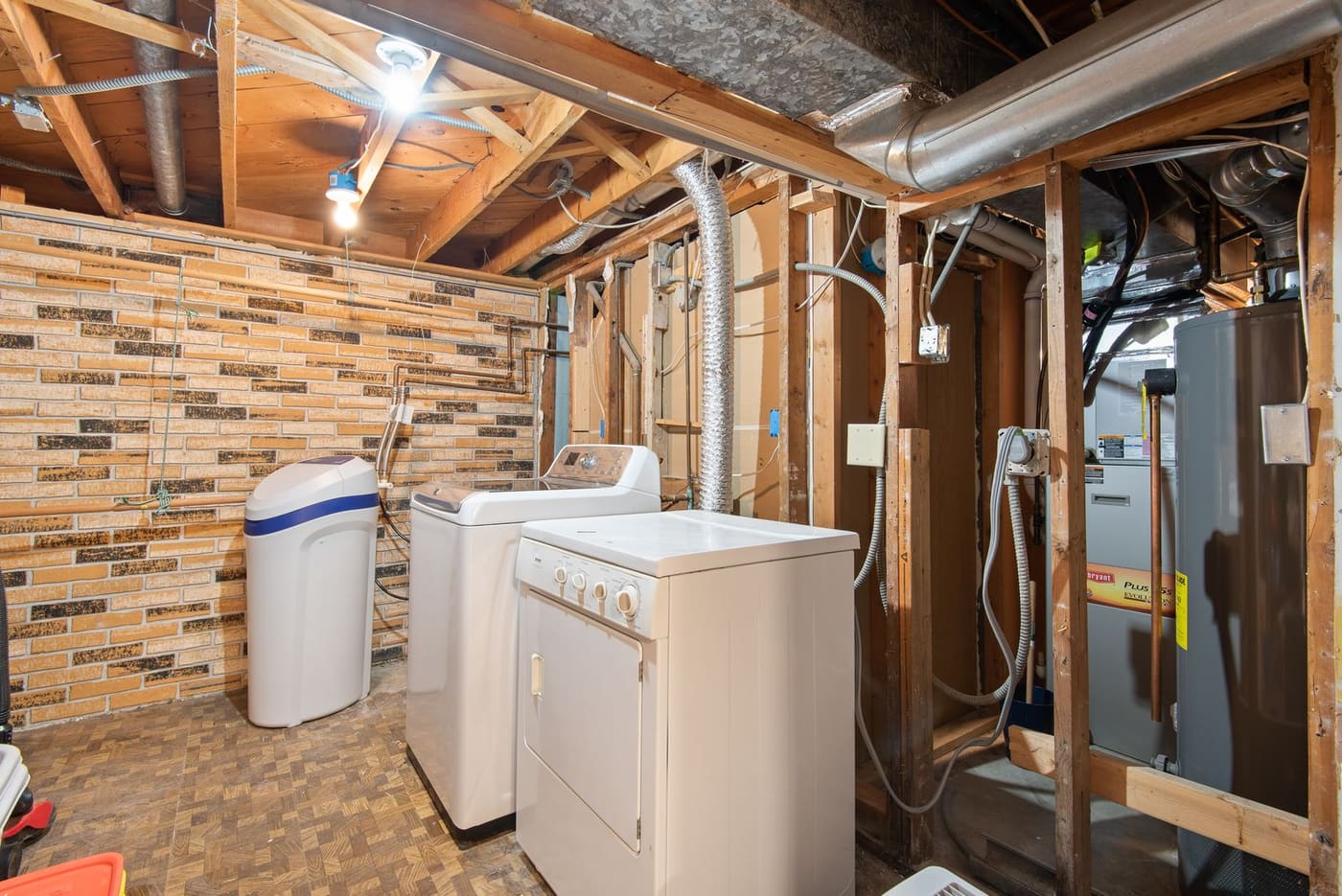
With the tank isolated, dry everything with a towel and watch where the first new drop forms. That single observation — valve, fitting, or tank seam — decides whether you're calling a plumber for a part or shopping for a new unit.
Talk to a water damage pro now
Answered 24/7 · Toll-free · answered 24/7 · no obligation
(888) 840-6512- Describe the damage & give your ZIP
- You're routed to the on-call local crew
- They quote — you decide, no obligation
Why a "Small" Heater Leak Wrecks Floors
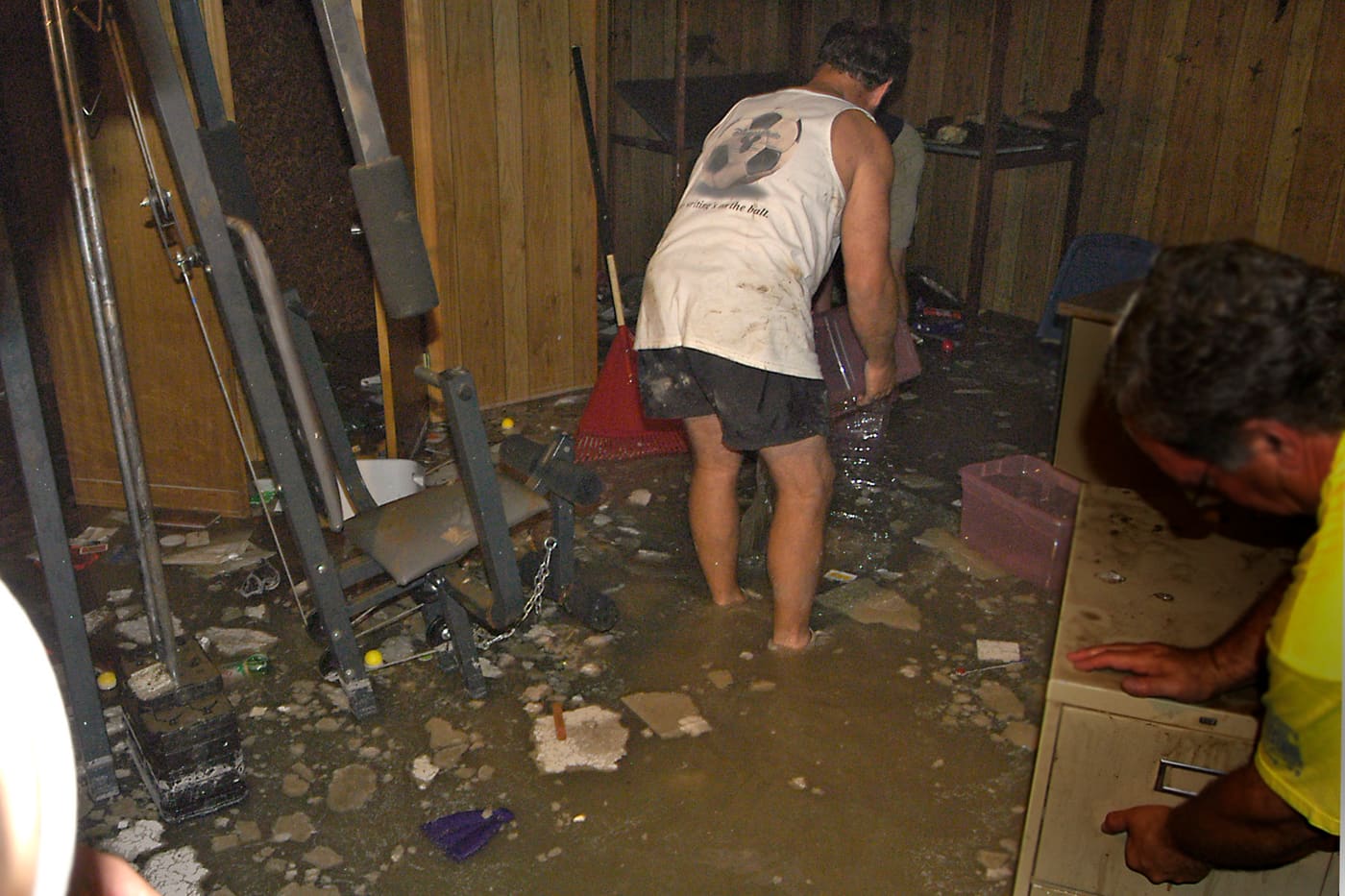
Water heater failures are one of the most common sources of home water damage claims, and the mechanism is always the same: the tank releases its volume, then the supply line keeps feeding the leak until someone notices. In a basement that's a mess; in an attic, closet, or second-floor utility room it's a ceiling collapse below.
If water reached walls, cabinets, or rooms below the heater, drying is no longer a towel job — wet drywall and subfloor need moisture readings and forced airflow within the first day to stay ahead of mold.
Repair or Replace: The Honest Math
Valves and fittings are worth fixing. The tank itself isn't — and if your unit is past 8–10 years (check the serial number's date code), even a valve repair deserves a moment of thought, because the anode rod that protects the tank interior is likely spent. A failing heater usually whispers before it shouts: rusty hot water, rumbling sediment, moisture at the base. Any of those plus a leak is the tank's resignation letter.
Prevention That Actually Works
A drain pan plumbed to a floor drain catches slow failures. A $25 water alarm on the floor beside the tank turns a silent leak into a phone alert. A smart shutoff valve takes it further and closes the supply automatically. And replacing the anode rod every 3–5 years roughly doubles tank life — it's the least expensive insurance a water heater has.
Reading to confirm what you already suspect?
Confirm it in two minutes instead — the pro on this line answers questions about YOUR situation all day: what it is, what it should cost, whether you even need service. If you want, they'll set the appointment on the same call.
Toll-free · no obligation · asking costs nothing
Frequently Asked Questions
Why is my water heater leaking from the bottom?
Three suspects: the drain valve (loose or failed — cheap fix), the temperature & pressure relief valve discharging down the side (fixable, but investigate why), or the tank itself.
If water seeps from under the tank body and the drain valve is dry, internal corrosion has usually breached the liner — that tank is done and replacement is the only fix.
Is a leaking water heater an emergency?
Treat it as one. A standard tank holds 40–50 gallons, stays connected to supply pressure, and can release water continuously once a breach starts. Shut off power or gas, close the cold-water inlet valve, and drain the tank before the leak chooses the timing for you.
Should I turn off my water heater if it's leaking?
YesFirst thing.
For electric units, flip the dedicated breaker (heating elements exposed by a draining tank burn out fast, and electricity plus standing water is a shock hazard). For gas, turn the control to OFF and close the gas valve. Then close the cold-water supply on top of the tank.
Can a leaking water heater be repaired?
Leaks at fittings, the drain valve, or the T&P relief valve are repairable — often under $150. Leaks from the tank body are not: once the glass lining and steel corrode through, no sealant or weld holds against 50 PSI of hot water. A tank leak means replacement.
How much water damage can a failed water heater cause?
Insurance industry data puts the average water-heater failure claim in the thousands of dollars — the tank dumps its full volume, then the supply line keeps feeding the leak until someone shuts it off.
Units in attics, closets, or upper floors do the most damage because water travels through ceilings and wall cavities below.
Who do I call right now for water damage?
Call (888) 840-6512. The line is answered 24 hours a day, seven days a week, and connects you with an IICRC-certified water damage restoration company that serves your area. Describe what you can see — where the water is coming from, how long it has been there, and whether it smells — the more specific you are, the faster the right company is on the line.
If the source is a pipe or an appliance, shut the main water valve first. Have four things ready and the call goes quickly: the address, when the water started, what is wet now, and whether you have filed an insurance claim.
Need it handled now?
Appliance Leak Cleanup — 24/7 Certified Crews
Tank let go, or the floor below is wet? Extraction and structural drying, from a certified local crew.
Sources
- Energy.gov — Water Heating(retrieved 2026-08-13)
- III — Preventing Water Damage(retrieved 2026-08-13)
- IICRC S500 — Water Damage Restoration(retrieved 2026-08-13)
Methodology: How we source and verify data · Report an error
Disclaimer: HearthDry is an independent educational resource. This article is for informational purposes only and does not constitute professional, legal, or insurance advice. Consult licensed professionals before making decisions about your property or insurance claims.
Professional Equipment
The $25 Gadget That Beats a $5,000 Claim
A water alarm on the floor beside the tank turns a silent failure into a phone alert; a smart shutoff valve closes the supply automatically when it senses the leak. Either one changes how this story ends.
Affiliate link — HearthDry earns a commission from Sylvane via CJ at no extra cost to you
Free 2-day shipping
Amazon Prime members pay no shipping on restoration equipment
Dehumidifiers, air movers, and moisture meters qualify for free Prime delivery — bulk items that otherwise cost $15–$40 to ship.
Affiliate link — HearthDry earns a bounty if you sign up; costs you nothing extra.
Equipment
What each machine actually does
Removes the moisture the structure is still giving off — the machine that decides how long drying takes
See the picks →Moves air across wet surfaces so the dehumidifier has something to take out of the air
See the picks →Finds water behind walls and under floors, and tells you when a material is actually dry
See the picks →Alerts you the moment a leak starts — the cheapest thing on this list and the only preventive one
See the picks →Those pages carry affiliate links. As an Amazon Associate, HearthDry earns from qualifying purchases; it costs you nothing extra.
Our Amazon storefront →Advertisement
