
Quick answer
Efflorescence is mineral salt left on masonry when water migrating through concrete or block evaporates at the surface. The ten-second test is water: efflorescence dissolves, mold smears and smells musty. The salts are harmless, but they prove water is moving through the foundation — and deposits that return within weeks alongside spalling concrete point to hydrostatic pressure needing drainage work. Call (888) 840-6512 to reach a certified water damage restoration company in your area; the line is answered 24/7.
Written & reviewed by Marcus ReedIICRC WRT
Reviewed August 13, 2026· Next review Feb 2027
The 10-Second Test
Spray a little water on the white deposits. Efflorescence dissolves and vanishes — it's mineral salt, and water is its solvent. Mold smears, stays, and often smells musty up close. That single test sorts most basement wall mysteries before any product gets purchased.
Backup checks if you want them: efflorescence grows only on masonry — concrete, block, brick, mortar — while mold prefers wood, drywall, and the organic dust film on almost anything. Minerals have no smell; colonies do.
What Efflorescence Actually Is
Water moving through masonry picks up soluble salts on the way; when it reaches the interior face and evaporates, the salts stay behind as white powder, fuzz, or crust. Which means the crystals themselves are harmless — but their presence is a moisture report: water is passing through your foundation wall often enough to run a delivery route. The wall is telling you where, too — low bands after rain point to grading and gutters, halos around cracks point to direct leak paths, slab-edge lines point to ground moisture.
Reading the Severity
Occasional light powder after a wet season: common, manageable, cosmetic. The escalation signals are what deserve attention — deposits that return within weeks of cleaning, crystals arriving with flaking or spalling concrete, damp patches that never quite dry, bowing block, or a sump pump that barely rests. That cluster means hydrostatic pressure is loading the foundation, and the conversation is drainage and waterproofing, not scrubbing technique.
The Fix Sequence
Brush the deposits off dry — wet cleaning just re-dissolves the salts into the wall for a return trip. Then work the water path from outside in, least expensive first: downspout extensions, clean gutters, soil regraded to slope away from the foundation, visible cracks sealed. Inside, measure the air: a basement holding over 55–60% RH is asking for dehumidification as part of the fix, not as a luxury.
Talk to a water damage pro now
Answered 24/7 · Toll-free · answered 24/7 · no obligation
(888) 840-6512- Describe the damage & give your ZIP
- You're routed to the on-call local crew
- They quote — you decide, no obligation
When Both Show Up
A chronically damp basement often hosts the full cast — efflorescence on the block, white or darker mold on the sill plate and stored boxes above. Don't treat them as separate mysteries: one moisture source, two symptoms. Cut the water and the humidity, and both problems lose their supply line; treat only the visible deposits, and both come back on the same schedule.
Efflorescence Is a Report on Water Movement
The salts on the wall arrived dissolved in water that passed through the masonry and evaporated on the inside face. So efflorescence is never just cosmetic: it is evidence that liquid water is moving through the foundation wall or slab, and the amount and the pattern say how much and from where.
| Pattern | Reading |
|---|---|
| Light powder along the whole wall after a wet season | Normal vapor drive through block; manage humidity |
| Heavy crust concentrated low on the wall or at the cove joint (wall-floor seam) | Hydrostatic pressure from outside; grading, gutters, drainage |
| Along a crack or a line | Water entering at that crack — seal it, then watch for return |
| Around a window well or a specific corner | A surface-water source outside that spot |
| Returning within weeks of cleaning | Active, ongoing water entry — a waterproofing question |
Cleaning Efflorescence Without Making It Worse
- 1Dry brush first. A stiff nylon or wire brush removes most deposits; vacuum the powder (HEPA if you have one) rather than sweeping it into the air.
- 2For stubborn crust, a dilute white vinegar solution (one part vinegar to five parts water) or a commercial efflorescence cleaner, applied sparingly, scrubbed, then rinsed with as little water as possible and dried with a fan. Muriatic acid works but etches and is hazardous indoors; leave it to a professional if at all.
- 3Do not seal an actively wet wall. Waterproof paints and sealers applied over efflorescence on a wall that is still passing water trap the moisture in the block, blister, and peel — often taking the surface with them. Sealers are for a wall after the water path outside has been fixed and the wall has dried.
- 4Fix the outside first: downspouts discharging six feet from the foundation, grading sloped away, window wells drained, and, where the crust returns anyway, interior drainage or exterior waterproofing.
When the Wall Also Has Mold
Efflorescence on the block and mold on the sill plate, joists or stored items above it are the same water problem at two heights. Clean the masonry dry, treat the mold as mold — removal of porous items, cleaning of wood, drying, and remediation if it is beyond about 10 square feet — and then hold the basement at or below 50% relative humidity so neither returns. Mold on the block itself is rare; what looks like dark growth on concrete is usually on the dust, paint or organic residue sitting on it and cleans off with detergent.
When to Call a Waterproofer
Efflorescence that returns within weeks, a damp line at the slab after rain, water stains at the cove joint, or a musty basement that a dehumidifier will not bring under 55% humidity are the signs the water is arriving faster than the wall can dry. Basement leaks when it rains helps locate the entry; the fix is drainage, and it comes before any finishing or sealing.
Reading to confirm what you already suspect?
Confirm it in two minutes instead — the pro on this line answers questions about YOUR situation all day: what it is, what it should cost, whether you even need service. If you want, they'll set the appointment on the same call.
Toll-free · no obligation · asking costs nothing
Frequently Asked Questions
What is the white powder on my basement walls?
Most often efflorescence: mineral salts carried by water migrating through concrete, block, or brick, left behind as crystals when the water evaporates at the surface.
It looks like white powder, fuzz, or crusty deposits and brushes off dry. The alternative is white mold — the spray test settles it in seconds: water dissolves efflorescence, smears mold.
Is efflorescence harmful?
The deposits themselves are just salts — not toxic, not structural. The message is what matters: water is passing through your foundation walls consistently enough to carry minerals with it.
That moisture feeds humidity, musty air, and eventually mold on nearby wood and stored items — and in freeze climates, repeated wet cycles degrade masonry surfaces over time.
How do I tell efflorescence from mold on concrete?
Three checks: spray water (efflorescence dissolves, mold smears), look at the surface (efflorescence grows on masonry; mold prefers wood, drywall, and organic dust films), and smell close up (mold reads musty, minerals don't).
If a damp basement shows both — crystals on the block and fuzz on the sill plate above — treat them as two symptoms of one moisture problem.
How do I stop efflorescence from coming back?
Remove the deposits dry (stiff brush or vacuum), then work the water path from outside in: grade soil away from the foundation, extend downspouts, clean gutters, seal visible cracks, and control interior humidity with dehumidification.
Persistent or heavy efflorescence — especially with damp patches or peeling paint — points to hydrostatic pressure that deserves a drainage assessment rather than another coat of sealer.
When is efflorescence a serious warning sign?
Escalate when the crystals come with company: flaking or spalling concrete, bowing block walls, a white band that returns within weeks of cleaning, damp floors after rain, or a sump pump that runs constantly.
That combination means significant water is loading the foundation — a waterproofing and drainage conversation, not a cosmetic one.
Who do I call right now for water damage?
Call (888) 840-6512. The line is answered 24 hours a day, seven days a week, and connects you with an IICRC-certified water damage restoration company that serves your area. Describe what you can see — where the water is coming from, how long it has been there, and whether it smells — the more specific you are, the faster the right company is on the line.
If the source is a pipe or an appliance, shut the main water valve first. Have four things ready and the call goes quickly: the address, when the water started, what is wet now, and whether you have filed an insurance claim.
Need it handled now?
Basement Flooding Cleanup — 24/7 Certified Crews
Damp patches, constant sump cycles, or water after every storm — get the intrusion assessed before the wall gets worse.
Sources
- EPA — Moisture Control(retrieved 2026-08-13)
- Portland Cement Association — Efflorescence(retrieved 2026-08-13)
Methodology: How we source and verify data · Report an error
Disclaimer: HearthDry is an independent educational resource. This article is for informational purposes only and does not constitute professional, legal, or insurance advice. Consult licensed professionals before making decisions about your property or insurance claims.
Professional Equipment
Put Numbers on the Moisture
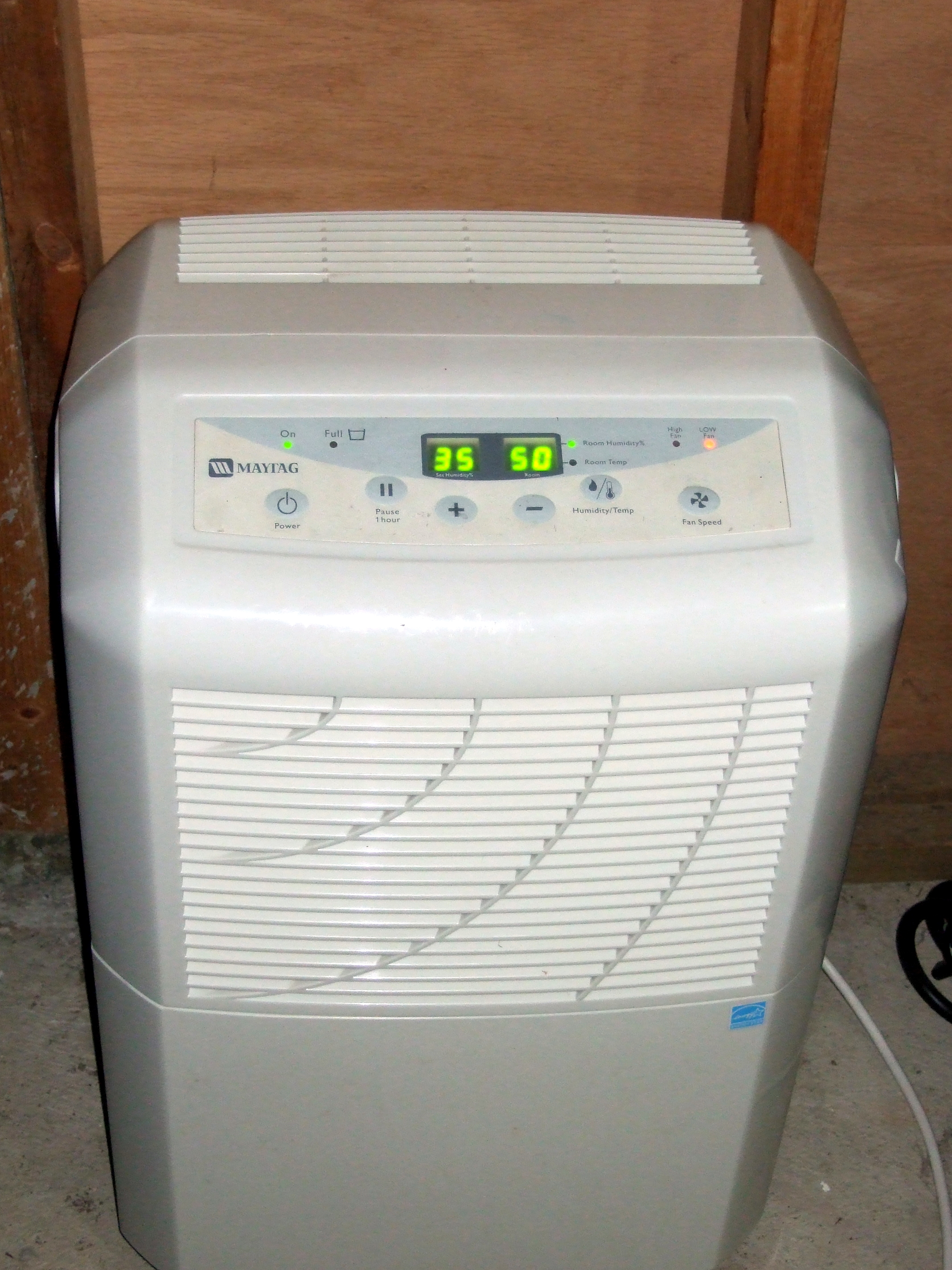
A moisture meter tells you whether the wall is actively wet or historically stained, and a dehumidifier holding the basement under 55% RH removes the supply line for both salts and mold.
Affiliate link — HearthDry earns a commission from Sylvane via CJ at no extra cost to you
Free 2-day shipping
Amazon Prime members pay no shipping on restoration equipment
Dehumidifiers, air movers, and moisture meters qualify for free Prime delivery — bulk items that otherwise cost $15–$40 to ship.
Affiliate link — HearthDry earns a bounty if you sign up; costs you nothing extra.
Equipment
What each machine actually does
Removes the moisture the structure is still giving off — the machine that decides how long drying takes
See the picks →Moves air across wet surfaces so the dehumidifier has something to take out of the air
See the picks →Finds water behind walls and under floors, and tells you when a material is actually dry
See the picks →Alerts you the moment a leak starts — the cheapest thing on this list and the only preventive one
See the picks →Those pages carry affiliate links. As an Amazon Associate, HearthDry earns from qualifying purchases; it costs you nothing extra.
Our Amazon storefront →Advertisement
