

Written & reviewed by Marcus ReedIICRC WRT
Reviewed July 22, 2026· Next review Jan 2027
Quick answer
A musty smell after water damage means microbial growth is active somewhere still damp — the odour is the by-product, not the problem. Air fresheners and ozone treatments mask it while the source keeps growing. Find the moisture with a meter, dry the material below 16% moisture content, and remove anything porous that stayed wet. If the smell returns after drying, water is still reaching the cavity. Call (888) 840-6512 to reach a certified water damage restoration company in your area; the line is answered 24/7.
Sound like your situation? Confirm it in one call instead of ten more minutes of reading — (888) 840-6512 · toll-free · no obligation
The Smell Is Evidence, Not an Odour Problem
That damp, earthy, basement-like smell has a specific cause. It is MVOCs — microbial volatile organic compounds — gases released by mold and bacteria while they actively feed and grow. Which leads to the only conclusion that matters:
A musty smell means something is still wet, right now. Not "was wet". Mold that has fully dried out stops producing that smell. If you can smell it, there is an active moisture source somewhere — and the smell is the least expensive diagnostic tool you will ever get.
Every product sold to make it go away — air freshener, odour bombs, ozone generators, "fresh linen" HVAC filters — removes the evidence while leaving the cause. Some, ozone in particular, are genuinely hazardous to breathe and are not a remediation method.
Why It Persists After a Repair
This is the common story: a leak was fixed, the surface looked fine, and weeks later the smell is still there. Almost always one of these:
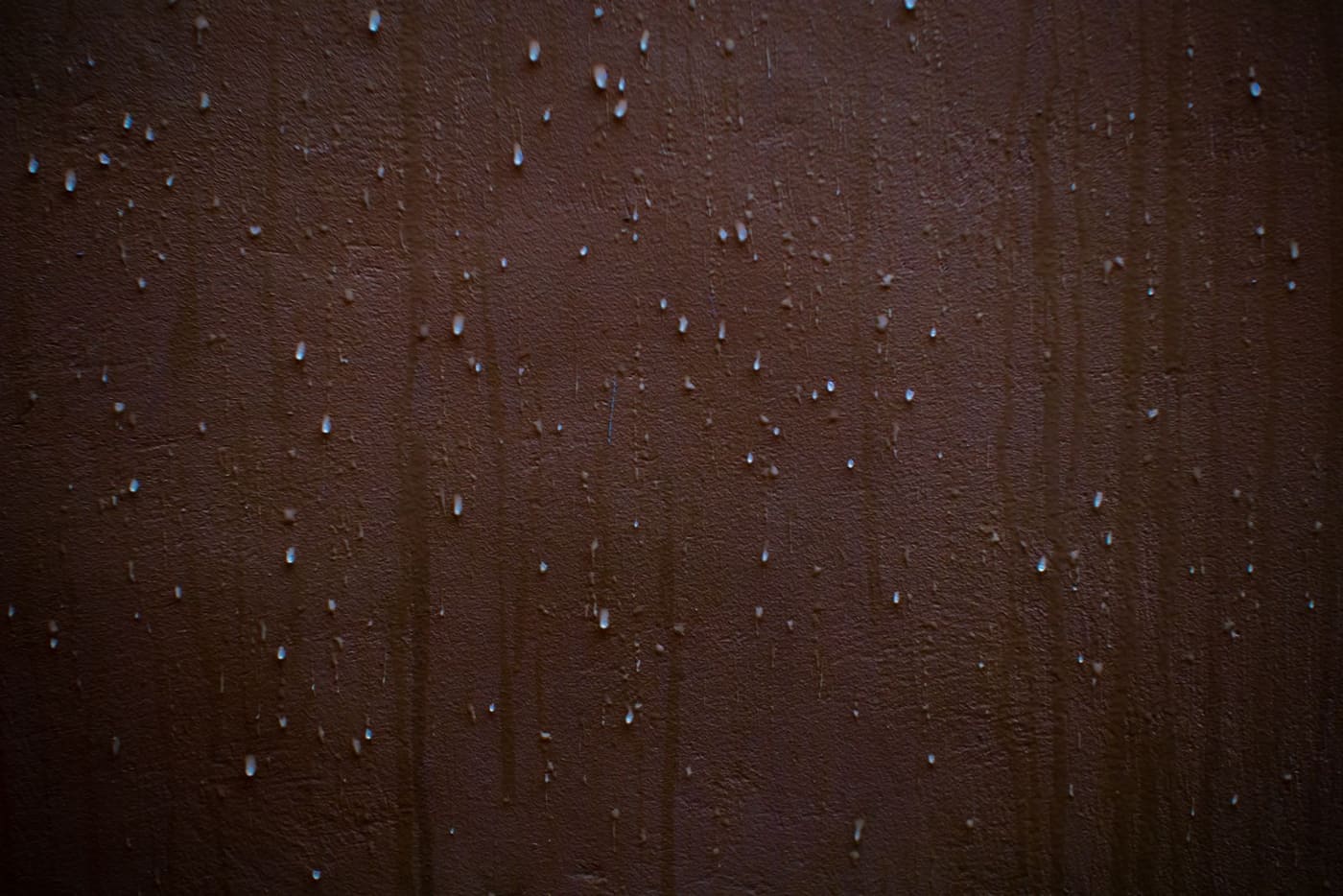
- The drying was surface-only. Drywall and flooring look dry while the framing, subfloor or insulation behind them holds water. Surface dry is not dry to a standard.
- Wet insulation was never removed. Insulation holds water a long time and dries poorly in place.
- Growth is behind the wall. Fix the leak, leave the colonised drywall, keep the smell.
- The source was never actually fixed — a slow supply leak, failed grout, or groundwater still entering.
- It is in the HVAC. A wet duct or a colonised evaporator coil distributes the smell to rooms that never got wet, which is why it sometimes seems to have no location at all.
Finding It
Work the smell like a search, strongest-first:
- 1Follow your nose at floor level. MVOCs are heavier than air and concentrate low. Crawl the perimeter of a room; the smell gets noticeably stronger near the source.
- 2Check the usual reservoirs — under sinks, behind toilets, the dishwasher and refrigerator kickspace, the water heater pan, the washing machine wall, and the crawl space or basement.
- 3Test the HVAC. Does the smell surge when the system kicks on? Then check the coil, the drain pan and the condensate line.
- 4Look for the visual tells — bubbling paint, a hairline stain ring, cupped flooring, drywall that feels soft or unusually cool, efflorescence on masonry.
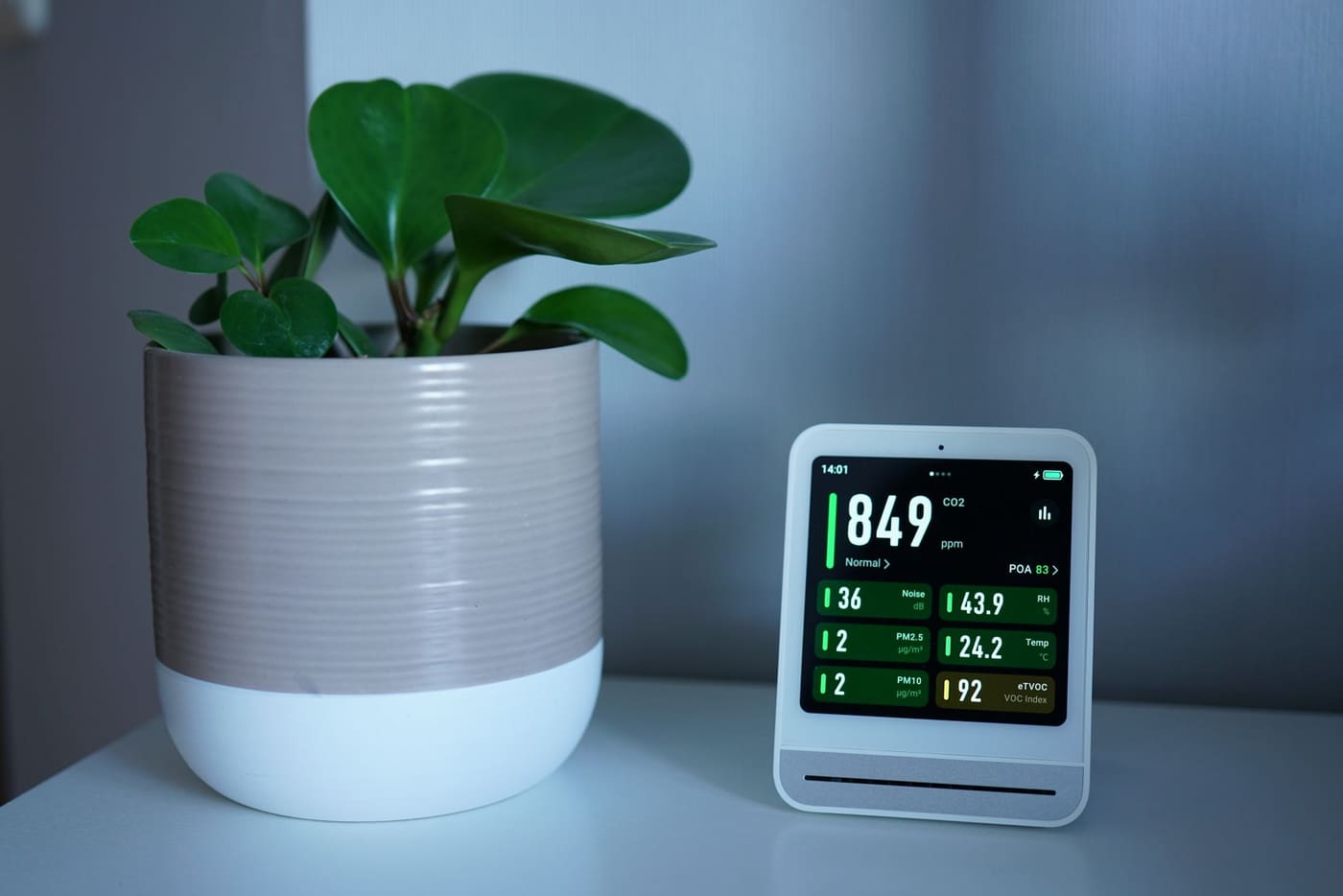
- 5Buy a moisture meter. A basic pinless meter is $30–$60 and will find in ten minutes what guessing will not find in a month. Compare a suspect wall against a wall you know is dry.
- 6Check the humidity. A hygrometer is $15. Indoor RH above 60% grows mold with no leak at all, and the answer there is a dehumidifier, not demolition — our ideal basement humidity guide has the targets.
Talk to a water damage pro now
Answered 24/7 · Toll-free · answered 24/7 · no obligation
(888) 840-6512- Describe the damage & give your ZIP
- You're routed to the on-call local crew
- They quote — you decide, no obligation
When to Stop Looking and Call
Call a professional when:
- The smell is strong and you cannot locate a source
- You find visible growth over roughly 10 square feet
- The smell returns after you fixed something
- It is coming through the HVAC
- Anyone in the house has unexplained respiratory symptoms, worsening asthma, or persistent congestion that improves when they leave the house
The last one is the one people ignore longest. Our guide on mold vs mildew and the health risks covers what the exposure actually does.
What Fixing It Involves
In order, and none of the steps are optional: find and stop the moisture source, open up and remove the affected porous materials, dry the cavity to a verified standard, then treat and rebuild. The odour disappears on its own once the growth loses its water supply — that is the tell that the job was done right.
Anyone proposing to seal, paint over, fog or encapsulate before the moisture source is fixed is selling you a delay. Our scams guide covers that pitch and others.
Bottom Line
Musty means actively wet. Track it low and strongest-first, buy a $40 moisture meter before you buy anything else, and never mask it — the smell is the only free instrument you have, and turning it off just means finding out later and paying more.
Reading to confirm what you already suspect?
Confirm it in two minutes instead — the pro on this line answers questions about YOUR situation all day: what it is, what it should cost, whether you even need service. If you want, they'll set the appointment on the same call.
Toll-free · no obligation · asking costs nothing
Frequently Asked Questions
- 1locate and remove or fully dry the source material -- wet drywall, saturated insulation, or moldy subflooring
- 2apply EPA-registered antimicrobial treatment to affected framing and adjacent surfaces
- 3run HEPA air scrubbers to capture airborne spores and MVOCs. Ozone generators can neutralize residual odors in empty spaces but do not replace source removal.
Why does my house smell musty after water damage?
Musty odors after water damage are caused by microbial volatile organic compounds (MVOCs) -- gases produced by mold and bacteria as they metabolize wet organic materials like drywall paper, wood framing, carpet backing, and insulation.
The smell means active microbial growth is present, not just residual moisture. Air fresheners and ozone machines mask the odor temporarily; eliminating the odor permanently requires removing or drying the contaminated material.
How long does musty smell last after water damage?
A musty smell from a properly dried and treated water damage event should resolve within 3--5 days after structural drying is complete.
If the odor persists beyond a week after drying equipment was removed, it indicates residual moisture in wall cavities, subfloor, or insulation -- or an active mold colony that was not fully addressed during remediation.
Does bleach get rid of musty smell from water damage?
NoAnd this is a common and costly mistake. Bleach applied to drywall or wood does not penetrate beyond the surface layer.
It kills surface mold temporarily, but the mycelium (root structure) inside the material continues to grow and produce odors. IICRC-certified remediation uses EPA-registered antimicrobial treatments applied after physical removal of contaminated material -- not surface bleach.
Can musty smell from water damage make you sick?
YesThe same MVOCs causing the odor can irritate the respiratory tract and trigger allergy-like symptoms including congestion, headaches, coughing, and eye irritation.
People with asthma, allergies, or compromised immune systems are at higher risk. If occupants are experiencing symptoms alongside a musty odor, evacuate the area and call for professional assessment before re-occupancy.
What kills musty smell from water damage permanently?
Permanent odor elimination requires three steps:
Who do I call right now for water damage?
Call (888) 840-6512. The line is answered 24 hours a day, seven days a week, and connects you with an IICRC-certified water damage restoration company that serves your area.
Describe what you can see — where the water is coming from, how long it has been there, and whether it smells — the more specific you are, the faster the right company is on the line. If the source is a pipe or an appliance, shut the main water valve first; the call itself takes under two minutes.
Still not sure which of these is your situation? (888) 840-6512 · toll-free · answered 24/7
Sources
- EPA -- Mold and Moisture Control (MVOC definition and health effects)(retrieved 2026-07-22)
- IICRC S500 -- Water Damage Restoration Standard (antimicrobial application protocols)(retrieved 2026-07-22)
- CDC -- Facts About Mold and Dampness(retrieved 2026-07-22)
Methodology: How we source and verify data · Report an error
Disclaimer: HearthDry is an independent educational resource. This article is for informational purposes only and does not constitute professional, legal, or insurance advice. Consult licensed professionals before making decisions about your property or insurance claims.
Professional Equipment
Eliminate the Source, Not Just the Smell
Musty odor after water damage means active mold or elevated moisture — both require a commercial dehumidifier, not air freshener. Once moisture is under 50% RH, a HEPA air scrubber with activated carbon filter removes VOCs and residual odor.
Affiliate link — HearthDry earns a commission from Sylvane via CJ at no extra cost to you
Watch
Source: US Environmental Protection Agency — public domain
Equipment
What each machine actually does
Removes the moisture the structure is still giving off — the machine that decides how long drying takes
See the picks →Moves air across wet surfaces so the dehumidifier has something to take out of the air
See the picks →Finds water behind walls and under floors, and tells you when a material is actually dry
See the picks →Alerts you the moment a leak starts — the cheapest thing on this list and the only preventive one
See the picks →Those pages carry affiliate links. As an Amazon Associate, HearthDry earns from qualifying purchases; it costs you nothing extra.
Advertisement
