
Quick answer
Becoming a water damage restoration technician takes a high school diploma, a valid driver's license, and IICRC WRT certification (three days, about $530 all-in, no prerequisites). Entry pay starts near $33,000, the US average is around $45,000, and technicians with stacked certifications and estimating skill reach $65,000+. Many firms hire entry-level and pay for certification, usually with a retention agreement. Call (888) 840-6512 to reach a certified water damage restoration company in your area; the line is answered 24/7.
Written & reviewed by Marcus ReedIICRC WRT
Reviewed August 20, 2026· Next review Feb 2027
A Trade You Can Enter in a Week
Restoration is unusual among skilled trades: no degree, no multi-year apprenticeship, and a certification that takes three days and about $530. What it does demand is reliability, a driver's license, and a tolerance for physical work at inconvenient hours — because water emergencies happen at 2 AM on holidays.
What You Actually Need
| Requirement | Reality |
|---|---|
| Education | High school diploma or technical certificate |
| License | Valid driver's license + reliable transport — non-negotiable |
| Physical | Lifting, crawlspaces, long days, PPE work |
| Certification | IICRC WRT — no prerequisites, about $530 |
| Availability | On-call nights/weekends is normal in this trade |
The Pay, Honestly
| Stage | Typical US pay |
|---|---|
| Entry-level technician | ~$33,000 |
| US average | ~$45,000 |
| Experienced (10+ yrs, certified) | $65,000+ |
| High-cost metros (e.g. Seattle) | ~$61,000 average |
Overtime is a real factor — emergency work generates it consistently, and many technicians' actual take-home sits above the base figures. The path from the middle of that table to the top is not time served; it is certifications plus documentation skill.
The Day-to-Day
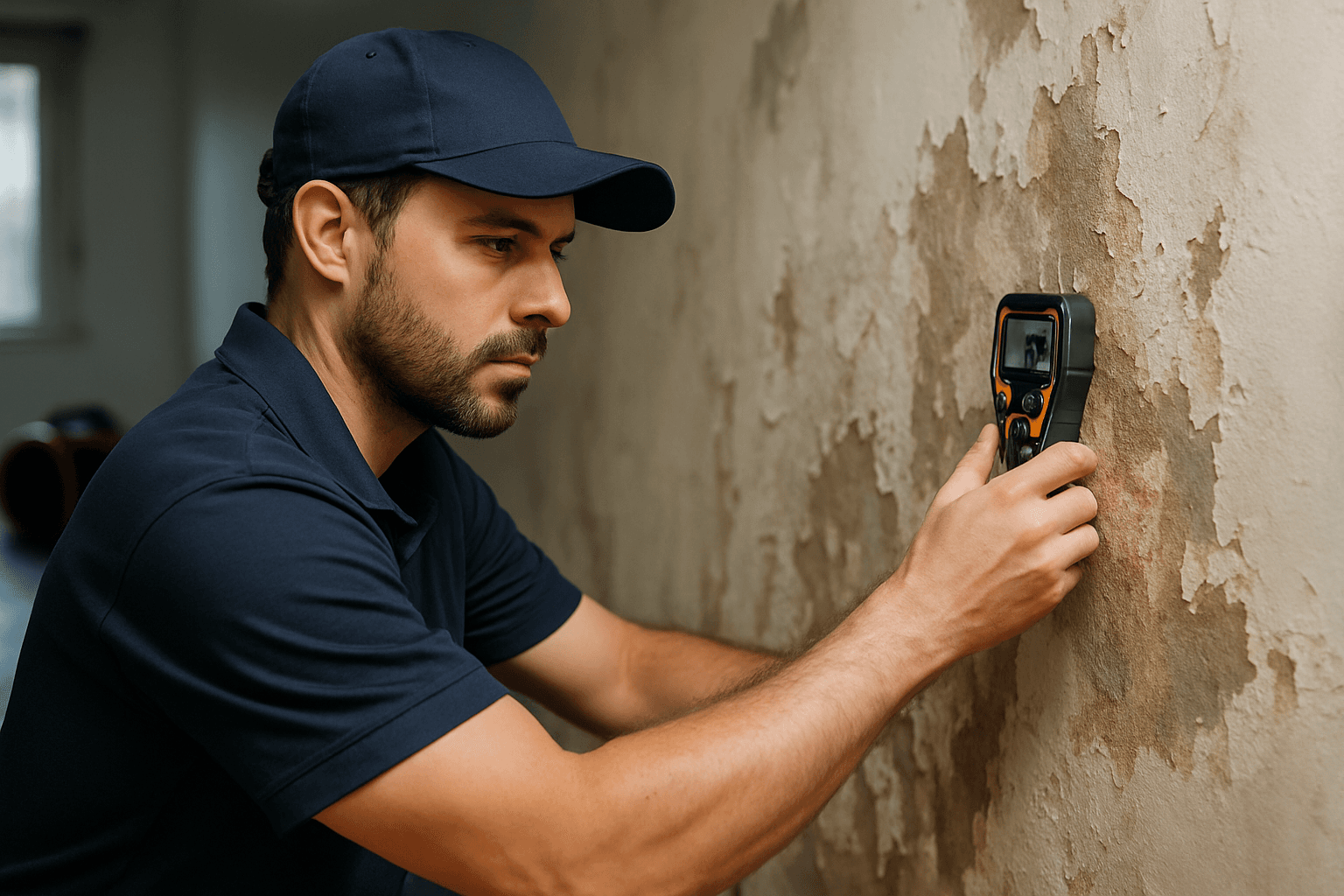
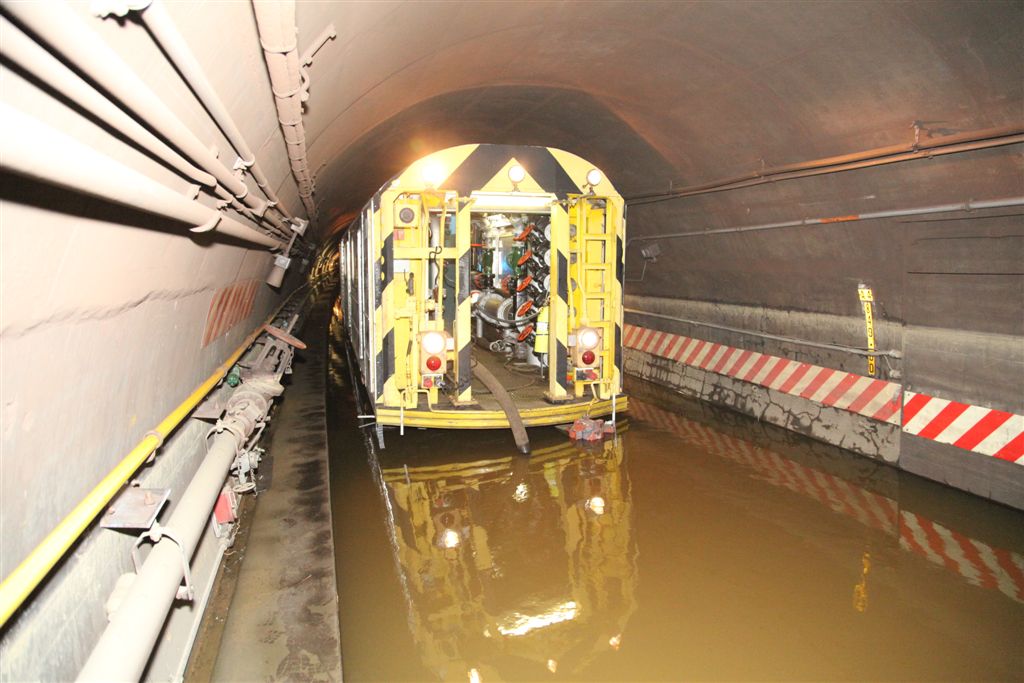
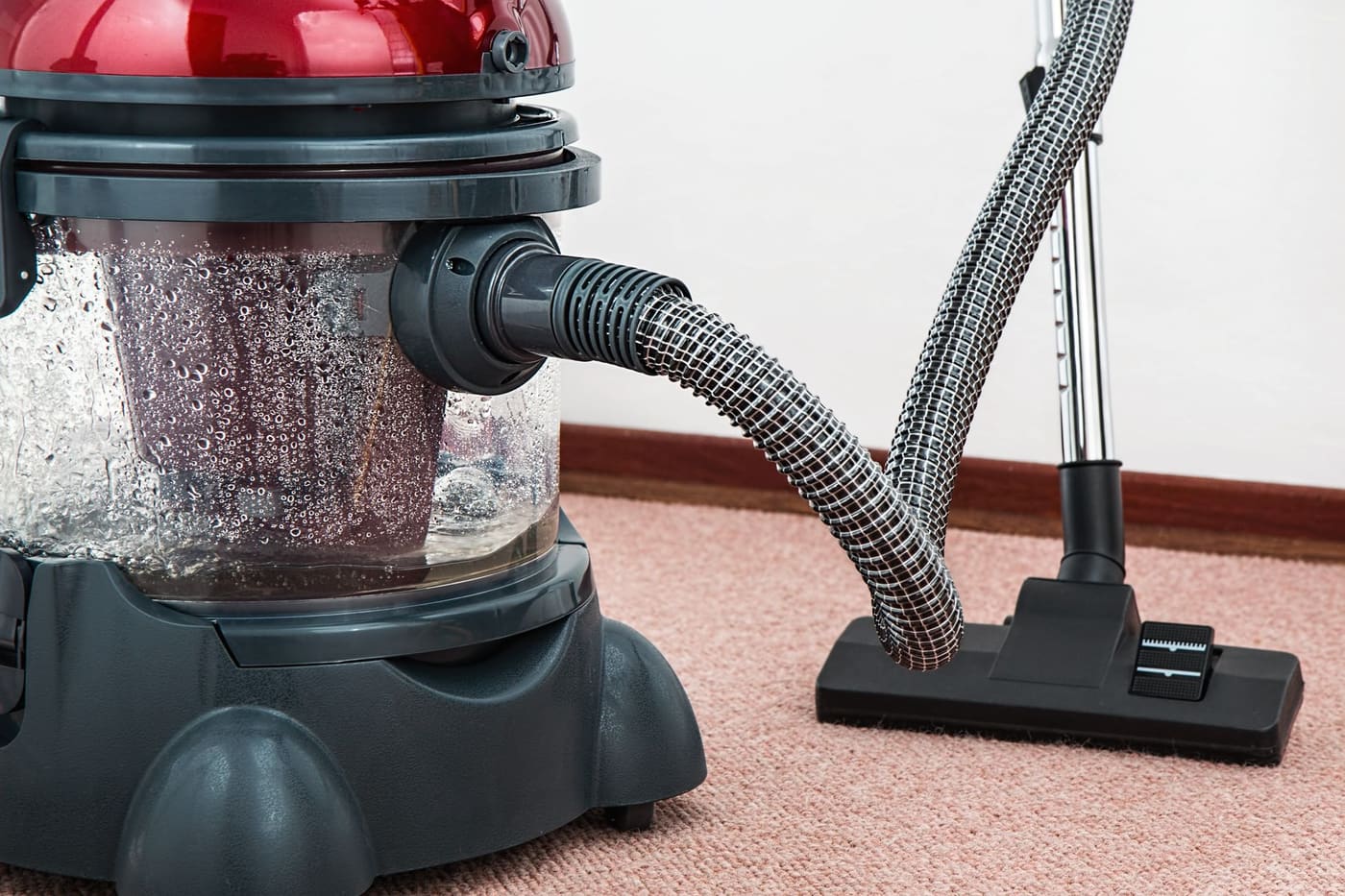
Inspecting damage and taking moisture readings. Extracting standing water. Placing air movers and dehumidifiers, then monitoring readings daily until the structure meets a dry standard. Removing carpet, pad and drywall that cannot be saved. Cleaning and sanitizing — including Category 3 sewage losses, which are exactly as unpleasant as they sound. And documenting all of it, because the insurance claim depends on the paper trail.
Our step-by-step restoration process guide walks the whole job from a technician's perspective — useful reading before an interview.
Talk to a water damage pro now
Answered 24/7 · Toll-free · answered 24/7 · no obligation
(888) 840-6512- Describe the damage & give your ZIP
- You're routed to the on-call local crew
- They quote — you decide, no obligation
The Certification Ladder (This Is Where the Money Is)
| Rung | What it opens |
|---|---|
| WRT | entry credential, no prerequisites, ~$530 |
| ASD | Applied Structural Drying — requires WRT, in-person only |
| AMRT | the mold credential — opens remediation work |
Each rung moves you from labor toward technical judgment — and technical judgment is what gets paid. The full certification map covers what each one covers and the order that makes sense.
Employer-Paid Certification: Read the Agreement
Many firms will pay for your WRT. That is a genuinely good deal — but it usually comes with a retention clause requiring you to stay 12–24 months or repay the cost. Know the terms before signing, not after.
Why This Career Holds Up
Two structural reasons. First, it cannot be offshored or automated — someone has to physically be in the wet building. Second, demand is not discretionary: a flooded house is not a purchase decision. The BLS projects steady openings, and the labor shortage in trades means certified technicians have use.
The ceiling is higher than the salary tables suggest, too — a large share of restoration company owners started as technicians. Learning what the work costs a homeowner and how estimates are built is the same knowledge you would need to run your own crew one day.
Bottom Line
Get the license, get hired entry-level, get WRT (yourself or employer-paid, terms read), then stack ASD and learn documentation. That is the whole path — and it takes months, not years.
Reading to confirm what you already suspect?
Confirm it in two minutes instead — the pro on this line answers questions about YOUR situation all day: what it is, what it should cost, whether you even need service. If you want, they'll set the appointment on the same call.
Toll-free · no obligation · asking costs nothing
Frequently Asked Questions
What qualifications do you need to become a restoration technician?
Most technicians enter with a high school diploma or technical certificate. There is no degree requirement.
What employers actually require: a valid driver's license and reliable transportation (jobs are on-site and often after hours), physical stamina, and increasingly IICRC WRT certification — which has no prerequisites and costs about $530 all-in.
How much do water damage restoration technicians make?
Entry-level technicians start around $33,000 per year, with a US average near $45,000.
Technicians with a decade of experience and stacked certifications reach $65,000+, and lead technician or project manager roles in high-cost metros (Seattle averages around $61,000) go higher. Overtime is common in this trade because emergencies do not respect business hours.
Do I need certification before I can get hired?
Not always — many companies hire entry-level technicians and pay for certification once you prove reliable.
But holding WRT before applying changes the conversation: it signals commitment, and it lets an employer put you on insurance-billable work sooner. Employer-paid certification often comes with a retention agreement, so read those terms.
What does the job actually involve day to day?
Inspecting damage and taking moisture readings, extracting standing water, placing and monitoring drying equipment, removing unsalvageable materials (carpet, pad, drywall), cleaning and sanitizing, and documenting everything for insurance.
It is physical, sometimes unpleasant (sewage losses are Category 3 work), and frequently on-call at nights and weekends.
Is restoration a good long-term career?
It is stable — water damage does not offshore and does not automate, and the BLS projects steady openings.
The people who do best treat certifications as a ladder (WRT to ASD to AMRT), because each one moves you from labor toward technical and supervisory roles where the pay is. Many experienced technicians eventually start their own firms.
Who do I call right now for water damage?
Call (888) 840-6512. The line is answered 24 hours a day, seven days a week, and connects you with an IICRC-certified water damage restoration company that serves your area. Describe what you can see — where the water is coming from, how long it has been there, and whether it smells — the more specific you are, the faster the right company is on the line.
If the source is a pipe or an appliance, shut the main water valve first. Have four things ready and the call goes quickly: the address, when the water started, what is wet now, and whether you have filed an insurance claim.
Still not sure which of these is your situation? (888) 840-6512 · toll-free · answered 24/7
Sources
- US Bureau of Labor Statistics — occupational outlook
- IICRC — certification body
- IICRC S500 Standard for Professional Water Damage Restoration
Methodology: How we source and verify data · Report an error
Disclaimer: HearthDry is an independent educational resource. This article is for informational purposes only and does not constitute professional, legal, or insurance advice. Consult licensed professionals before making decisions about your property or insurance claims.
Free 2-day shipping
Amazon Prime members pay no shipping on restoration equipment
Dehumidifiers, air movers, and moisture meters qualify for free Prime delivery — bulk items that otherwise cost $15–$40 to ship.
Affiliate link — HearthDry earns a bounty if you sign up; costs you nothing extra.
Equipment
What each machine actually does
Removes the moisture the structure is still giving off — the machine that decides how long drying takes
See the picks →Moves air across wet surfaces so the dehumidifier has something to take out of the air
See the picks →Finds water behind walls and under floors, and tells you when a material is actually dry
See the picks →Alerts you the moment a leak starts — the cheapest thing on this list and the only preventive one
See the picks →Those pages carry affiliate links. As an Amazon Associate, HearthDry earns from qualifying purchases; it costs you nothing extra.
Our Amazon storefront →Advertisement
