
Quick answer
For a septic backup into the house, stop all water use, call a septic service to pump the tank and check the baffles and drain field, then call a sewage cleanup company for the inside. Septic waste is Category 3 water under IICRC S500, so carpet, pad and the bottom of soaked drywall are removed and hard surfaces are disinfected. HearthDry's sewage cleanup line is (218) 579-3405: enter your 5-digit ZIP and it connects you to a sewage cleanup company, 24/7. Call (218) 579-3405 to reach a sewage cleanup company in your area; the line is answered 24/7.
Enter your 5-digit ZIP when asked. The line goes quiet for about half a minute while it connects — that is normal, stay on. If it does not connect, call once more: companies taking calls change minute to minute.
 Serving US homesCertified US companiesCall nowLine answered 24/7

Sewage water is removed, not dried. Keep everyone out of it.
Do this first
- Stop using all waterNo flushing, showers or laundry.
- Keep kids and pets outClose the door to the area.
- Gloves and boots onlyNever touch it with bare skin.

Written & reviewed by Marcus ReedIICRC WRT
Reviewed November 12, 2026· Next review May 2027
When a septic system backs up into the house you make two calls: a septic service to pump the tank and find the cause, and a sewage cleanup company for whatever the backup touched inside. A plumber is the right call only if one fixture is clogged and every other drain in the house runs normally.
1. Stop Using Water and Keep Everyone Out
Every sink, toilet, shower, washer and dishwasher drains into the same tank. If the tank or the line to it is blocked, whatever goes down comes back up at the lowest drain, usually a basement floor drain, toilet or shower.
- Stop all water use, including a washer or dishwasher mid-cycle.
- Keep people and pets out, especially children and anyone pregnant or immunocompromised.
- Do not wade in without rubber boots, gloves and eye protection.
2. Call a Septic Service to Pump and Inspect
A septic service pumps the tank and checks why it backed up. The usual causes:
- A full tank. The EPA recommends pumping a typical household tank every three to five years and an inspection about every three years.
- A blocked inlet baffle or line between the house and the tank, often from wipes or grease.
- A failing drain field, which shows up as soggy ground, sewage odor or unusually green grass over the field. That is a bigger repair, and the septic service will say so.
Tell them sewage is coming into the house so they treat it as urgent, and keep their note on the cause.
Serving US homesCertified US companiesCall nowLine answered 24/7What to Do When a Septic System Backs Up
- 1Stop Using Water and Keep Everyone OutStop every sink, toilet, shower, washer and dishwasher, since they all drain into the tank.
- 2Call a Septic Service to Pump and InspectA septic service pumps the tank and checks the baffles, the line from the house and the drain field.
- 3Photograph Everything Before CleanupPhotograph every wet room and item before anything is removed, and keep the septic service's note on the cause.
- 4Call a Sewage Cleanup CompanySeptic waste is Category 3 water.
What the restoration company does in your home

1.Finds the water you can't see
Moisture meters and a thermal camera at baseboards, under flooring and behind drywall.
2.Pulls out the standing water
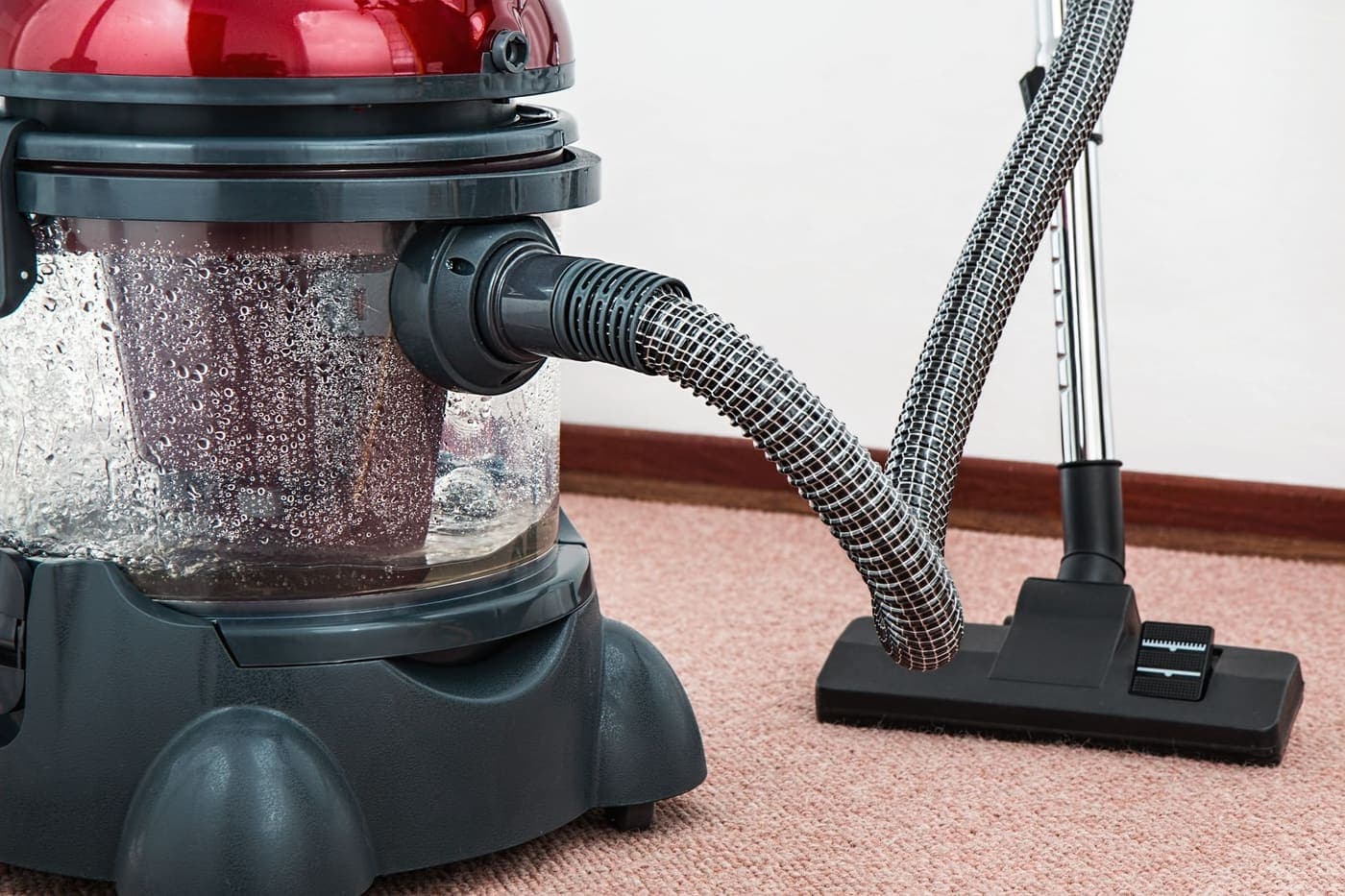
Extraction first, then anything soaked that cannot be dried is removed.
3.Dries it and logs the readings
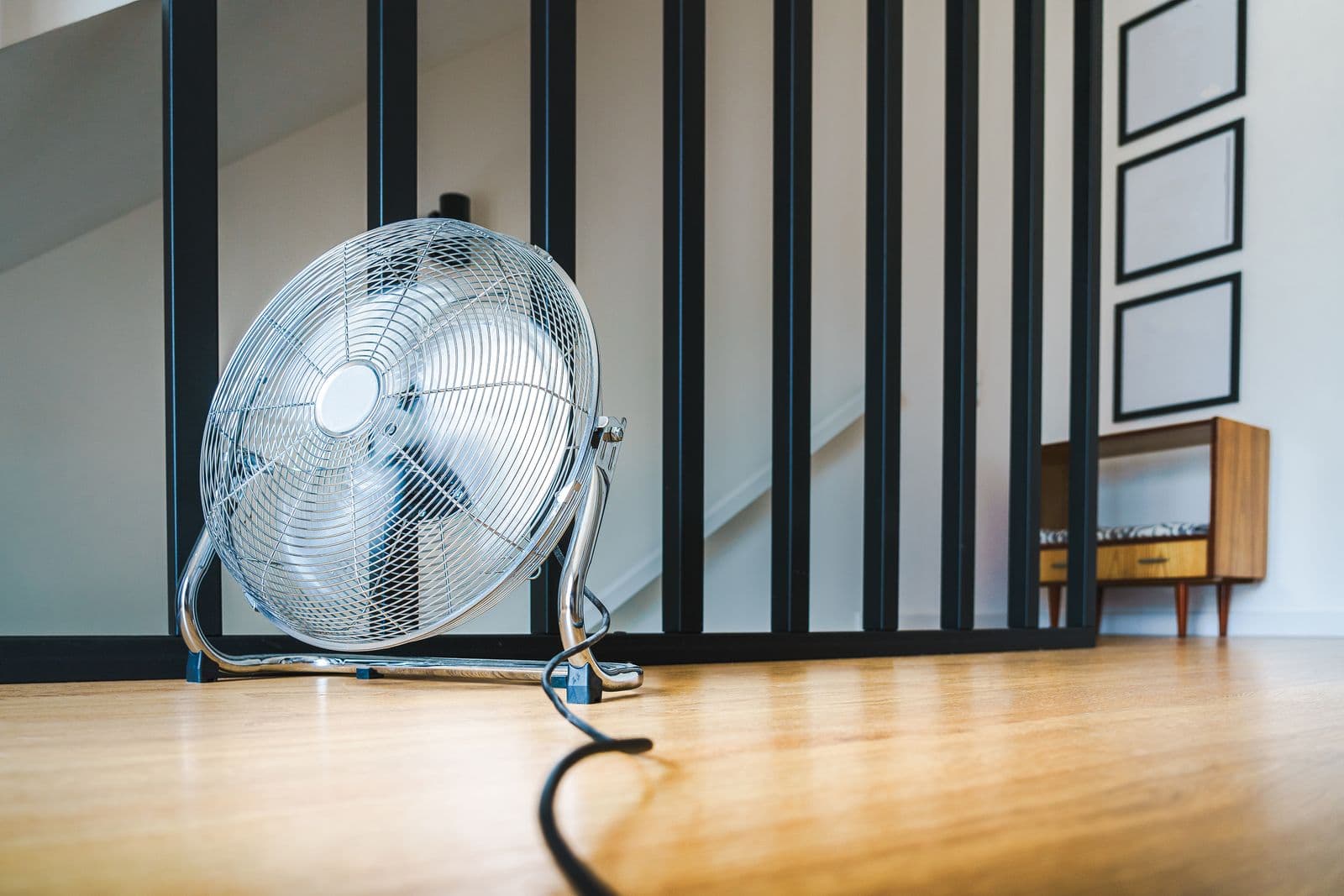
Air movers and dehumidifiers run until the meter says dry, with a log your insurer can read.
Talk to a water damage pro now
Answered 24/7 · Toll-free · no obligation
(218) 579-3405Mold can establish within 24–48 hours of water exposure — drying started today stays a drying job.
- Enter your ZIP when asked
- Stay on through the short quiet while it connects
- A local certified company explains the job and price
3. Call a Sewage Cleanup Company for the Inside
Pumping the tank stops new sewage. It does nothing about what is already in the carpet and the bottom of the walls. Septic waste is Category 3 water under the IICRC S500 standard, so the cleanup follows the same rules as any sewage backup:
- Porous materials that absorbed it, such as carpet and pad, drywall to a cut line and insulation, are removed rather than dried.
- Hard surfaces like concrete and tile are cleaned and disinfected.
- The area is dried to measured moisture readings before anything is rebuilt.
Photograph every room before anything is removed. Indoor sewage cleanup commonly runs about $2,000 to $10,000, with a small hard-floor area at the low end and a finished basement at the high end.
What Happens When You Call
(218) 579-3405 is HearthDry's sewage cleanup line, answered 24/7. It connects you to a sewage cleanup company taking calls in your ZIP.
- A short automated prompt asks for the ZIP of the property.
- Enter the 5-digit ZIP of the house with the backup.
- The line goes quiet for about half a minute while it connects. That is normal; stay on.
- When someone answers, say it is a septic backup, which drain it came up through, and what is wet.
The company gives you an arrival window for your address on the call, and the scope and price are between you and them. More is on the sewage cleanup page.
Reading to confirm what you already suspect?
Confirm it in two minutes instead — the pro on this line answers questions about YOUR situation all day: what it is, what it should cost, whether you even need service. If you want, they'll set the appointment on the same call.
Toll-free · no obligation · asking costs nothing
Frequently Asked Questions
Who do I call when my septic tank backs up into the house?
Two calls. First a septic service company, to pump the tank and find out whether the problem is a full tank, a blocked inlet or outlet baffle, or a failing drain field.
Second a sewage cleanup company for anything the backup touched inside, because septic waste is Category 3 water under the IICRC S500 standard and soaked porous materials have to be removed and the area disinfected and dried.
Do I call a plumber or a septic company for a septic backup?
A septic company if every drain in the house is slow or backing up, sewage is coming up at the lowest drain, or the ground over the tank or drain field is wet or smells. A plumber if only one fixture is clogged and the rest drain normally, since that blockage is inside the house and not in the septic system.
What are the signs a septic backup is coming?
Slow drains throughout the house, gurgling in drains or toilets when other fixtures run, sewage odor indoors or in the yard, and soggy ground or unusually green grass over the drain field.
The EPA recommends having a septic system inspected about every three years and the tank pumped every three to five years for a typical household.
Can I keep using water during a septic backup?
NoEvery fixture drains into the same tank, so each flush, shower or load of laundry pushes more sewage up at the lowest drain.
Stop all water use until the septic service has pumped the tank and told you the system can take water again.
How is sewage from a septic backup cleaned up inside the house?
The same way as any sewage backup. A cleanup crew works in protective gear, extracts the water, removes porous materials that absorbed it such as carpet and pad, drywall to a cut line and insulation, disinfects hard surfaces like concrete and tile, and dries the structure to measured moisture readings.
How much does septic backup cleanup cost?
Pumping the tank is a separate bill from the septic service. The indoor cleanup depends on how much porous material has to come out: sewage cleanup commonly runs about $2,000 to $10,000, with a small hard-floor area at the low end and a finished basement with carpet and drywall at the high end.
Who do I call for sewage cleanup?
Call (218) 579-3405, the HearthDry sewage cleanup line. It is answered 24/7, and connects you with a sewage cleanup company that serves your area. A recorded prompt picks up first: key in your 5-digit ZIP code, and hold through the short silence while the call is passed to the company.
Say where the sewage came up, which rooms it reached and how long ago. Stop using water in the house until the drain is cleared, and keep children and pets out of the area.
Still not sure which of these is your situation? (218) 579-3405 · toll-free · answered 24/7
Sources
- EPA — Septic Systems (SepticSmart)(retrieved 2026-11-12)
- IICRC S500 — Category 3 Water Damage Classification(retrieved 2026-11-12)
- CDC — Floodwater After a Disaster or Emergency(retrieved 2026-11-12)
Methodology: How we source and verify data · Report an error
Disclaimer: HearthDry is an independent educational resource. This article is for informational purposes only and does not constitute professional, legal, or insurance advice. Consult licensed professionals before making decisions about your property or insurance claims.