

Quick answer
Xactimate is the line-item estimating software most US restoration contractors and insurance adjusters use to price water damage work. It prices each task separately — per square foot of extraction, per dehumidifier day, per linear foot of baseboard removal — at regularly updated regional rates. Homeowners are entitled to the full line-item estimate, and reading it before demolition is the main way to control the final bill. Call (888) 840-6512 to reach a certified water damage restoration company in your area; the line is answered 24/7.
Written by Marcus Reed
Reviewed by Elena VargasLicensed Public Adjuster (TX, FL, LA)
Reviewed July 2, 2026· Next review Jan 2027
The Document That Decides What You Get Paid
Xactimate is estimating software from Verisk, and it is the de facto standard across property insurance. Most carriers write water damage claims in it, most restoration contractors estimate in it, and the document you are handed after the adjuster's visit is almost certainly an Xactimate export.
Which makes it worth understanding, because the estimate is the settlement. Whatever is not in it does not get paid, and homeowners routinely accept a scope with items simply missing rather than wrong.
How the Pricing Works
Xactimate is not a contractor's opinion of price — it is a database. Verisk publishes regional price lists updated monthly and specific to your ZIP code, covering material and labor costs for thousands of individual tasks.
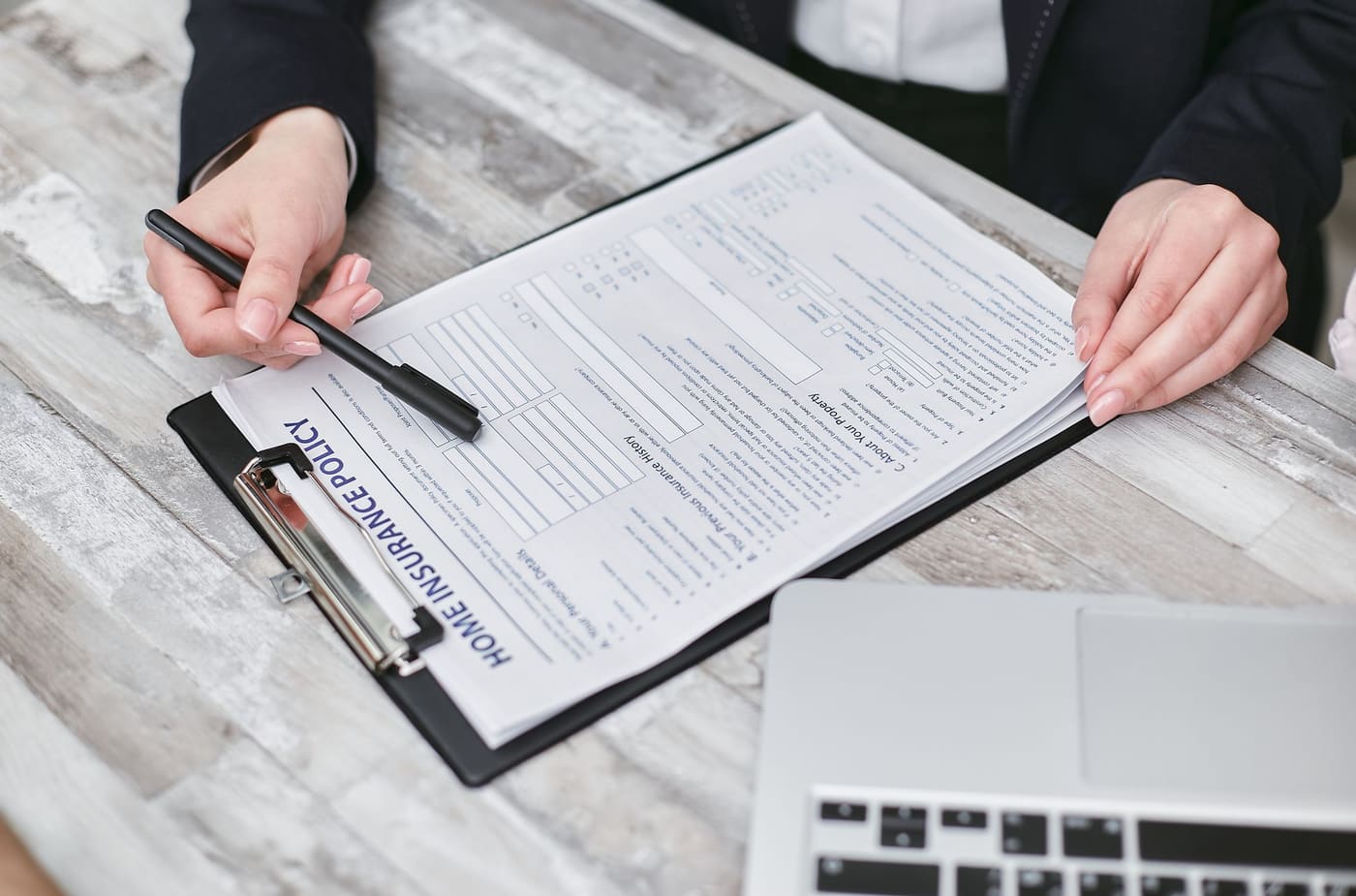
Each task is a line item with a code, a unit of measure, and a unit price. The estimate multiplies quantity by unit price and totals it. So the argument is almost never about the *rate* — the rate is the published rate for your area this month. The argument is about quantity and inclusion: how many square feet, how many days, and which line items appear at all.
That reframing is the most useful thing on this page. Do not fight the prices. Fight the scope.
Line Items You Should See on a Water Claim
| Code family | What it covers |
|---|---|
| WTR EXT | Water extraction |
| WTR DRY | Air movers, charged per unit per day |
| WTR DEHUM | Dehumidifiers, per unit per day, tiered by capacity rating |
| WTR MONITOR | Daily moisture monitoring visits |
Equipment lines are usually the largest part of a mitigation estimate, and they are per unit, per day — so the two numbers that matter are how many machines and how many days. Check them against the affected area and the drying class assigned.
What Gets Left Out — Check for These
This is where homeowners lose money quietly. Common omissions:
- Detach and reset — toilets, vanities, cabinets, baseboards and door casings have to come off and go back. These are separate line items and are frequently missing.
- Contents manipulation — moving and protecting your belongings, versus a full pack-out
- Antimicrobial application
- Containment and PPE on any Category 2 or 3 loss
- HEPA air scrubbing, and negative air where remediation is involved
- Debris removal and disposal, including dump fees
- Floor protection on the path crews walk
- Final cleaning after reconstruction
- Sales tax on materials
- Matching and continuity of finish — where a discontinued floor or tile means the repair cannot stop at the damaged area
Take your contractor's estimate and the adjuster's estimate and compare them line by line, not total to total. The gap is almost always a handful of missing items rather than a pricing disagreement.
Overhead and Profit — the "Ten and Ten"
O&P is 10% overhead plus 10% profit, the margin a general contractor earns for coordinating a job. On a water claim it can be a meaningful sum, and insurers do not always include it.
The widely used industry rule of thumb: if the job requires three or more trades, general contractor coordination is reasonably necessary and O&P should be paid. A water loss touching plumbing, drywall, painting, flooring and electrical clears that bar comfortably.
Be clear-eyed about its status, though: the three-trade rule is an informal convention, not law. It appears in no standard policy language, most states do not treat it as the legal test, and Verisk — which makes Xactimate — does not endorse it. It is widely used and widely criticised as arbitrary.
That does not make it useless. "This job needs three or more trades, so it needs a general contractor, so O&P applies" is a recognized argument that adjusters deal with routinely, and it is a reasonable one to make in writing. Just do not expect it to be treated as a rule you can enforce.
ACV, RCV, and the Cheque You Might Not Know You're Owed
| Term | Meaning |
|---|---|
| RCV | Replacement cost value — what it costs to replace today |
| ACV | Actual cash value — RCV minus depreciation for age and wear |
| Recoverable depreciation | The withheld difference, paid after you complete the work and submit proof |
| Non-recoverable depreciation | Withheld permanently — you never receive it |
On an RCV policy the sequence is: the carrier pays ACV first, you complete the repairs, you submit invoices, and the carrier releases the recoverable depreciation.
A lot of homeowners never claim that second payment. They receive the first cheque, assume it is the settlement, and leave the balance with the insurer. If your estimate shows recoverable depreciation, that is money you are owed on completion — put a reminder in your calendar.
Note also that most policies impose a deadline for completing repairs and claiming it, commonly a year or two from the loss.
Disputing or Supplementing
- 1Ask for the complete line-item estimate, not the summary page. You want every line, with quantities and unit prices.
- 2Have your contractor write their own Xactimate estimate. Two documents in the same format compare cleanly, and this is the single most effective step.
- 3Submit a supplement — a written request to add missing scope, with photographs, moisture readings and the contractor's estimate attached. Supplements are routine, not confrontational, and adjusters process them constantly.
- 4Escalate if it stalls — a supervisor, then the appraisal clause in your policy, which is a binding process where each side hires an appraiser and an umpire resolves the difference. It is faster and cheaper than litigation and exists precisely for scope disputes.
- 5A public adjuster works for you rather than the carrier, typically for a percentage of the settlement. Worth considering on large or stalled claims, less so on small ones.
If the claim is denied outright rather than underpaid, that is a different process. For getting the most out of a claim being paid, see maximising your settlement.

Bottom Line
Xactimate prices are regional published rates and are rarely worth arguing about — the money is in scope. Request the full line-item estimate, have your own contractor write one in the same format, compare line by line, and look specifically for detach-and-reset, containment, disposal, tax and matching. Then check whether recoverable depreciation is being withheld, and diary the date you can claim it.
Before the estimate exists there is the visit that produces it — what a free restoration estimate includes, and what you sign at the end of it.
Reading to confirm what you already suspect?
Confirm it in two minutes instead — the pro on this line answers questions about YOUR situation all day: what it is, what it should cost, whether you even need service. If you want, they'll set the appointment on the same call.
Toll-free · no obligation · asking costs nothing
Frequently Asked Questions
What is Xactimate?
Estimating software from Verisk that prices construction and restoration work as line items — each task priced per unit (square foot, linear foot, day, each) at regional rates updated regularly.
Most US insurers require adjusters to write water damage estimates in it, and most restoration contractors bid in it, which is why a homeowner's claim is usually a negotiation between two Xactimate files.
Can I ask for the Xactimate estimate on my claim?
YesAsk the adjuster and the contractor for the full line-item estimate, not the summary page.
You are entitled to see what is being paid for and at what unit price; the line items are also the only way to find what has been left out.
Is Xactimate pricing the same as what a contractor must charge?
NoXactimate's price list is a published regional average, not a law.
A contractor can charge more or less; the insurer will generally pay Xactimate rates unless the contractor documents why a job cost more. That is what a 'supplement' is — a written request to add or reprice line items after the work reveals more damage.
What line items are most often missing from a water damage estimate?
Detach-and-reset of baseboard, toilets and vanities; content manipulation (moving furniture); antimicrobial application; the extra days of drying equipment the moisture log justifies; texture and paint to the nearest break rather than the patch; and overhead and profit on jobs that need multiple trades.
Check the estimate category by category against what was actually done.
What does 'O&P' mean on an Xactimate estimate?
Overhead and profit — typically 10% and 10% added to the subtotal when a general contractor coordinates multiple trades (drying, drywall, flooring, paint). Insurers sometimes omit it on jobs they consider single-trade; if three trades are involved, it is a legitimate line to ask for.
Does the homeowner pay the difference if the contractor's estimate is higher than the insurer's?
Only if the difference stands after the supplement process. The contractor submits documentation (photos, moisture logs, invoices) for the disputed items; most differences resolve there.
If the insurer still refuses a legitimate item, an appraisal clause in the policy or a public adjuster are the next steps. Signing a contract that makes you liable for any shortfall is the thing to avoid.
Who do I call right now for water damage?
Call (888) 840-6512. The line is answered 24 hours a day, seven days a week, and connects you with an IICRC-certified water damage restoration company that serves your area. Describe what you can see — where the water is coming from, how long it has been there, and whether it smells — the more specific you are, the faster the right company is on the line.
If the source is a pipe or an appliance, shut the main water valve first. Have four things ready and the call goes quickly: the address, when the water started, what is wet now, and whether you have filed an insurance claim.
Still not sure which of these is your situation? (888) 840-6512 · toll-free · answered 24/7
Sources
- Verisk — Xactimate (estimating platform used by insurers and contractors)
- Insurance Information Institute — Facts + Statistics: Homeowners and renters insurance
- IICRC — Standards (ANSI/IICRC S500 Water Damage Restoration)
- NAIC — Homeowners Insurance consumer guide
Methodology: How we source and verify data · Report an error
Disclaimer: HearthDry is an independent educational resource. This article is for informational purposes only and does not constitute professional, legal, or insurance advice. Consult licensed professionals before making decisions about your property or insurance claims.
Professional Equipment
The Equipment Behind the Line Items
Every Xactimate estimate line item maps to a specific piece of equipment. LGR dehumidifiers appear as daily equipment rental fees; air movers appear as per-unit daily charges. Understanding what the equipment actually costs gives you use in disputes.
Affiliate link — HearthDry earns a commission from Sylvane via CJ at no extra cost to you
Free 2-day shipping
Amazon Prime members pay no shipping on restoration equipment
Dehumidifiers, air movers, and moisture meters qualify for free Prime delivery — bulk items that otherwise cost $15–$40 to ship.
Affiliate link — HearthDry earns a bounty if you sign up; costs you nothing extra.
Equipment
What each machine actually does
Removes the moisture the structure is still giving off — the machine that decides how long drying takes
See the picks →Moves air across wet surfaces so the dehumidifier has something to take out of the air
See the picks →Finds water behind walls and under floors, and tells you when a material is actually dry
See the picks →Alerts you the moment a leak starts — the cheapest thing on this list and the only preventive one
See the picks →Those pages carry affiliate links. As an Amazon Associate, HearthDry earns from qualifying purchases; it costs you nothing extra.
Our Amazon storefront →Advertisement
