
Quick answer
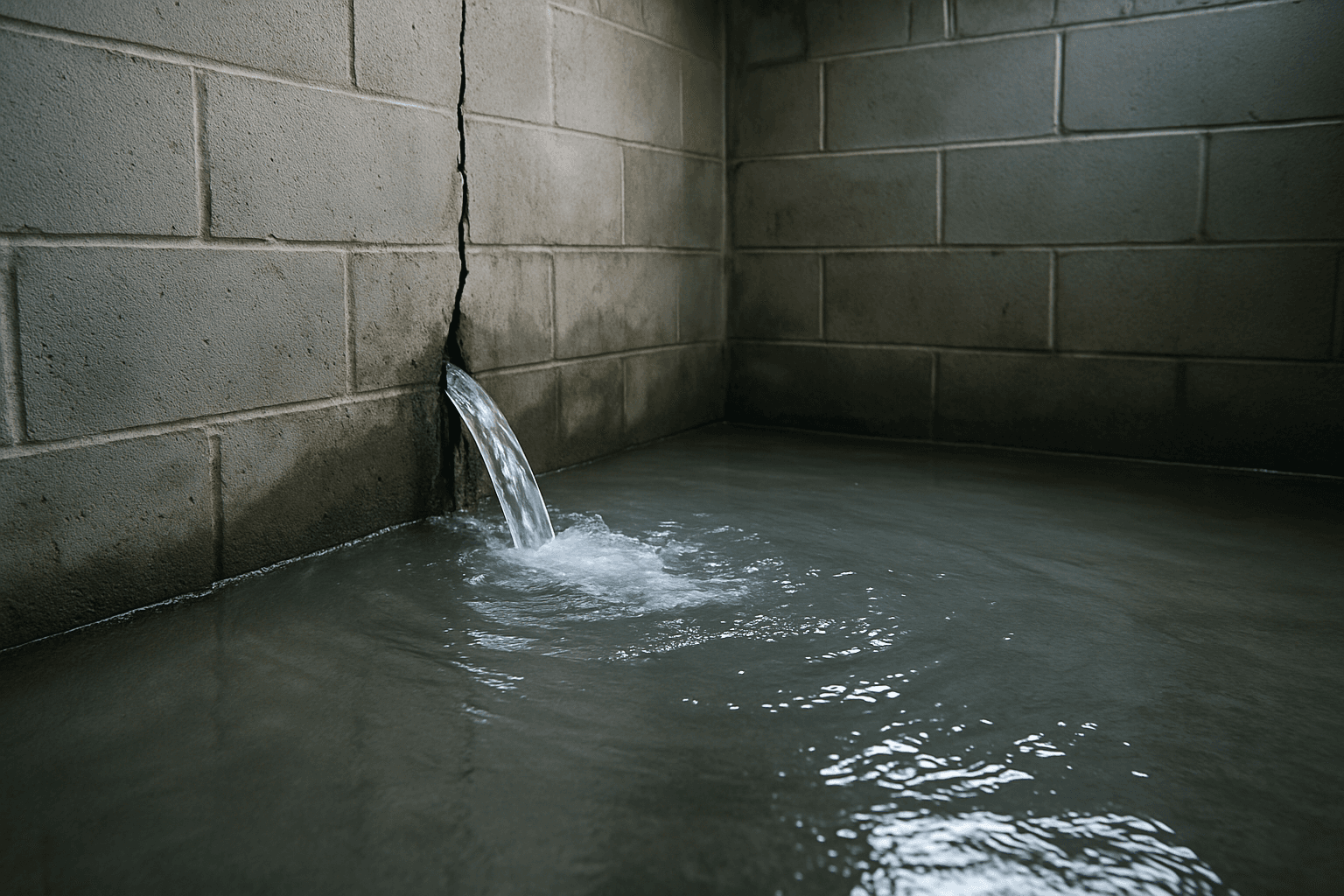
IICRC classes describe how much water the materials absorbed, which sets the drying equipment needed. Class 1 is minimal absorption over a small area. Class 2 involves an entire room with carpet and pad and wicking up walls under 24 inches. Class 3 means water came from overhead and saturated ceilings, walls and insulation. Class 4 is bound water in dense materials like hardwood, plaster and concrete, requiring specialty drying. Call (888) 840-6512 to reach a certified water damage restoration company in your area; the line is answered 24/7.
Written & reviewed by Marcus ReedIICRC WRT
Reviewed July 2, 2026· Next review Jan 2027
Class Is Not Category — And Both Are on Your Estimate
Two IICRC numbers describe every water loss, and homeowners routinely mix them up.
- Category (1, 2, 3) describes how contaminated the water is — clean supply line, greywater, or sewage. That is covered in our category guide.
- Class (1, 2, 3, 4) describes how much material got wet and how hard it will be to dry — the evaporation load.
Category decides what has to be thrown away. Class decides how much equipment shows up and how many days it stays. Since equipment is billed per unit per day, class is the number that drives your invoice.
The Four Classes
| Class | Wet area | What it looks like | Typical drying |
|---|---|---|---|
| Class 1 | Under ~5% of the room's floor, wall and ceiling area | A small spill on tile, water caught immediately, minimal absorption | 2–3 days |
| Class 2 | ~5–40% | Wet carpet and pad across a room, water wicked up walls under 24 inches | 3–5 days |
| Class 3 | Over ~40%, usually from above | Water came through the ceiling — ceilings, walls, insulation and subfloor all saturated | 5–7+ days |
| Class 4 | Specialty | Water bound inside low-porosity materials — hardwood, plaster, concrete, stone, crawl spaces | 7–14+ days |
Class 1 is the smallest job: least absorbed water, lowest evaporation load, fewest air movers.
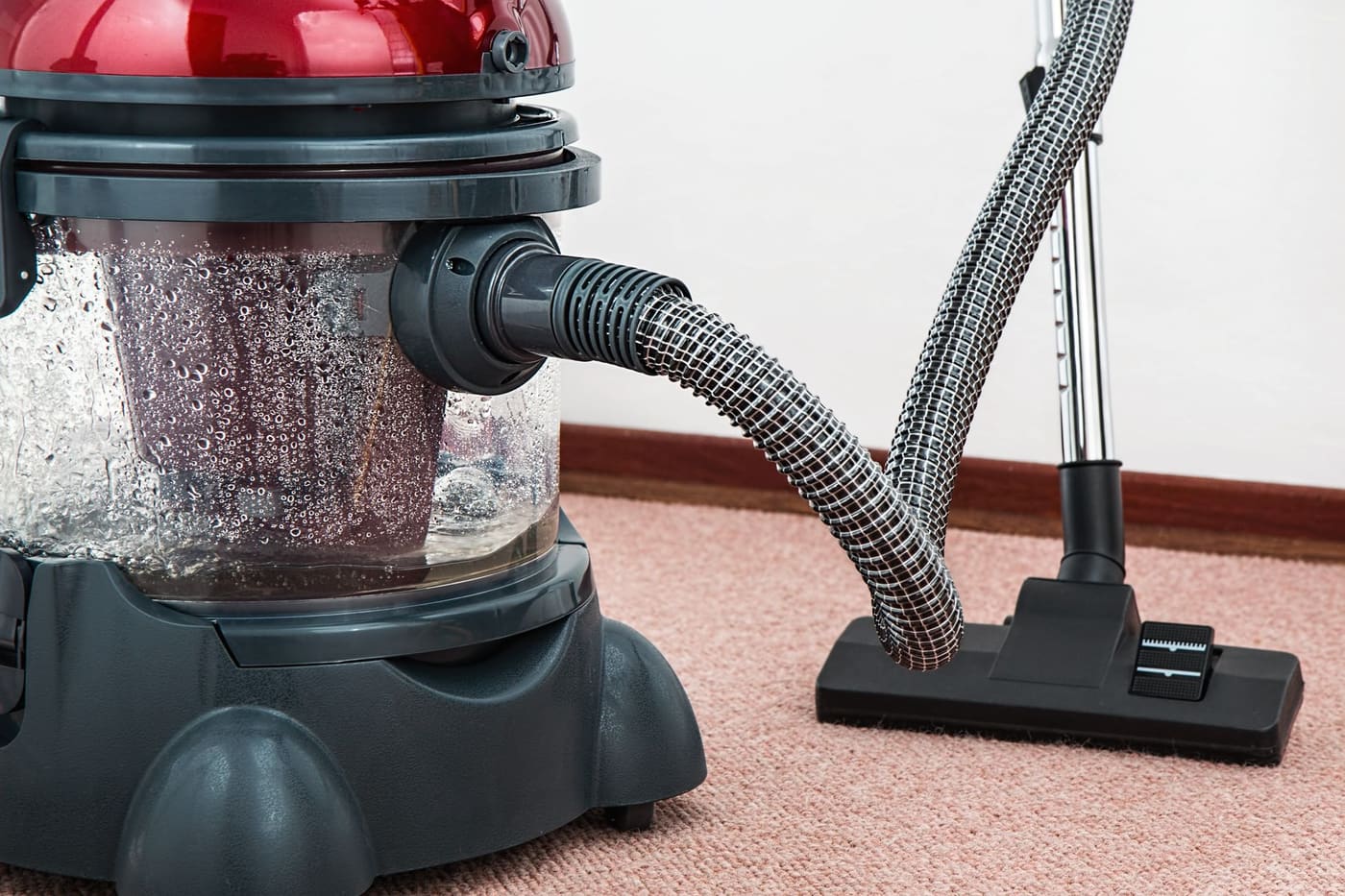
Class 2 is the everyday loss — a failed washing machine hose or a dishwasher leak that soaked a room's carpet and pad and started up the drywall.
Class 3 almost always means water from overhead. A burst supply line in an upstairs wall or a roof leak saturates everything on the way down, and insulation in the ceiling cavity holds water no air mover can reach until it is opened.
Class 4 is not about volume — it is about bound water in materials that release moisture slowly. A concrete slab or a hardwood floor may hold water for weeks. Class 4 typically requires desiccant dehumidification, specialty drying mats, or injection drying rather than the standard equipment package.
Talk to a water damage pro now
Answered 24/7 · Toll-free · answered 24/7 · no obligation
(888) 840-6512- Describe the damage & give your ZIP
- You're routed to the on-call local crew
- They quote — you decide, no obligation
Why Class Determines the Bill
The IICRC S500 standard sizes equipment against the wet area and the class. In practice:
- Higher class means more air movers — roughly one per 50–70 square feet of affected floor, plus extras for walls and cavities
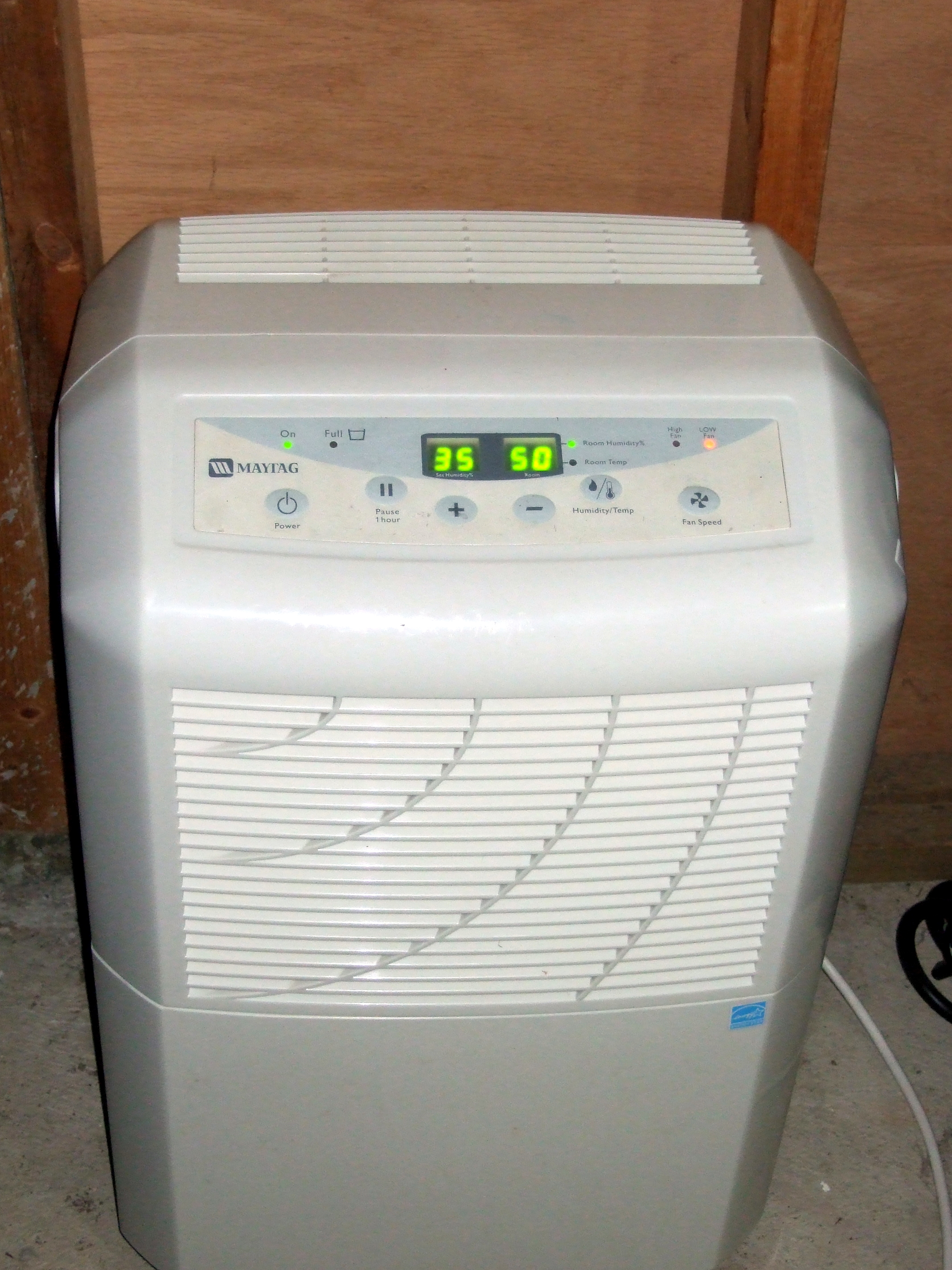
- Higher class means larger or additional dehumidifiers, and Class 4 often means desiccant units at a higher day rate
- Higher class means more days, and every day is another equipment charge
So a Class 3 loss is not "a bit more" than Class 2 — it can be several times the cost, driven by unit count multiplied by days.
What to Check on Your Estimate
Ask three questions and you will catch most of the padding:
- 1What class did you assign, and on what measurement? The class should follow from the wet square footage they mapped, not from a glance around the room.
- 2How many air movers and dehumidifiers, for how many days? These are line items. Compare the count against the affected area.
- 3What is the dry standard, and are you logging daily? Equipment that stays after materials hit the dry standard is billable time you should not be paying for.
Cross-check against typical figures in our restoration cost guide, and if the numbers look inflated, get a second opinion before signing.
Bottom Line
Category tells you what is contaminated; class tells you what it costs. Class 1 is a few days and a few machines, Class 3 means water came from above and soaked everything under it, and Class 4 means the water is locked inside hardwood or concrete and needs specialty equipment. Get the class in writing, along with the wet area it was based on.
Reading to confirm what you already suspect?
Confirm it in two minutes instead — the pro on this line answers questions about YOUR situation all day: what it is, what it should cost, whether you even need service. If you want, they'll set the appointment on the same call.
Toll-free · no obligation · asking costs nothing
Frequently Asked Questions
What should homeowners know about water damage class 1, 2, 3, and 4 explained?
Water damage class determines drying equipment, timeline, and cost — separate from water category (clean/gray/black). Consult an IICRC-certified restoration professional for site-specific assessment.
Does insurance cover this type of water damage?
Coverage depends on whether the event was sudden and accidental vs gradual. Document everything and review your policy exclusions.
When should I call a professional?
Call immediately if water affects multiple rooms, involves Category 2 or 3 water, or drying cannot begin within 24 hours.
How does IICRC S500 apply?
IICRC S500 defines industry-standard inspection, extraction, drying, and documentation requirements that insurers expect.
Where can I find local restoration pros?
Use HearthDry's location finder to connect with IICRC-certified restoration companies in your area.
Who do I call right now for water damage?
Call (888) 840-6512. The line is answered 24 hours a day, seven days a week, and connects you with an IICRC-certified water damage restoration company that serves your area. Describe what you can see — where the water is coming from, how long it has been there, and whether it smells — the more specific you are, the faster the right company is on the line.
If the source is a pipe or an appliance, shut the main water valve first. Have four things ready and the call goes quickly: the address, when the water started, what is wet now, and whether you have filed an insurance claim.
Still not sure which of these is your situation? (888) 840-6512 · toll-free · answered 24/7
Sources
- IICRC S500 — Water Damage Restoration(retrieved 2026-07-02)
- EPA — Mold and Water Cleanup Guidance(retrieved 2026-07-02)
Methodology: How we source and verify data · Report an error
Disclaimer: HearthDry is an independent educational resource. This article is for informational purposes only and does not constitute professional, legal, or insurance advice. Consult licensed professionals before making decisions about your property or insurance claims.
Professional Equipment
Equipment Sizing Depends on Damage Class
Class 1 damage (limited materials) may dry with a single LGR dehumidifier and two air movers. Class 4 (specialty drying, concrete, hardwood) requires extended runtimes and drying mats. Sylvane carries equipment for all four IICRC damage classes.
Affiliate link — HearthDry earns a commission from Sylvane via CJ at no extra cost to you
Free 2-day shipping
Amazon Prime members pay no shipping on restoration equipment
Dehumidifiers, air movers, and moisture meters qualify for free Prime delivery — bulk items that otherwise cost $15–$40 to ship.
Affiliate link — HearthDry earns a bounty if you sign up; costs you nothing extra.
Equipment
What each machine actually does
Removes the moisture the structure is still giving off — the machine that decides how long drying takes
See the picks →Moves air across wet surfaces so the dehumidifier has something to take out of the air
See the picks →Finds water behind walls and under floors, and tells you when a material is actually dry
See the picks →Alerts you the moment a leak starts — the cheapest thing on this list and the only preventive one
See the picks →Those pages carry affiliate links. As an Amazon Associate, HearthDry earns from qualifying purchases; it costs you nothing extra.
Our Amazon storefront →Advertisement
