
Written & reviewed by Marcus ReedIICRC WRT
Reviewed July 16, 2026· Next review Jan 2027
Quick answer
Water damage restoration typically takes three to five days for the drying phase on a contained residential loss, confirmed by daily moisture readings rather than the calendar. Add one to two weeks when mold remediation is involved, and several weeks to months when reconstruction is needed. Category 3 water and saturated hardwood or plaster extend the drying stage the most. Call (888) 840-6512 to reach a certified water damage restoration company in your area; the line is answered 24/7.
Sound like your situation? Confirm it in one call instead of ten more minutes of reading — (888) 840-6512 · toll-free · no obligation
The Honest Answer: Days to Dry, Weeks to Rebuild
Almost every frustrating conversation about restoration timelines comes from conflating two separate phases. Drying is measured in days. Reconstruction is measured in weeks. A crew that says "three to five days" is quoting the drying phase, and homeowners hear "my house will be normal by Friday".
| Phase | Typical duration |
|---|---|
| Emergency response and arrival | 1–4 hours |
| Water extraction | Same day, 1–4 hours |
| Structural drying | 3–5 days (up to 10+ for saturated or Class 4) |
| Post-drying verification | 1 day |
| Mold remediation, if needed | +1–5 days |
| Reconstruction — minor | 1–2 weeks |
| Reconstruction — major | 1–3 months |
Day by Day, What Actually Happens
Hours 0–4 — Response. A crew arrives, assesses the source, and identifies the category and class of the loss. Both matter: category is contamination, class is how much material is wet, and together they set the equipment plan.
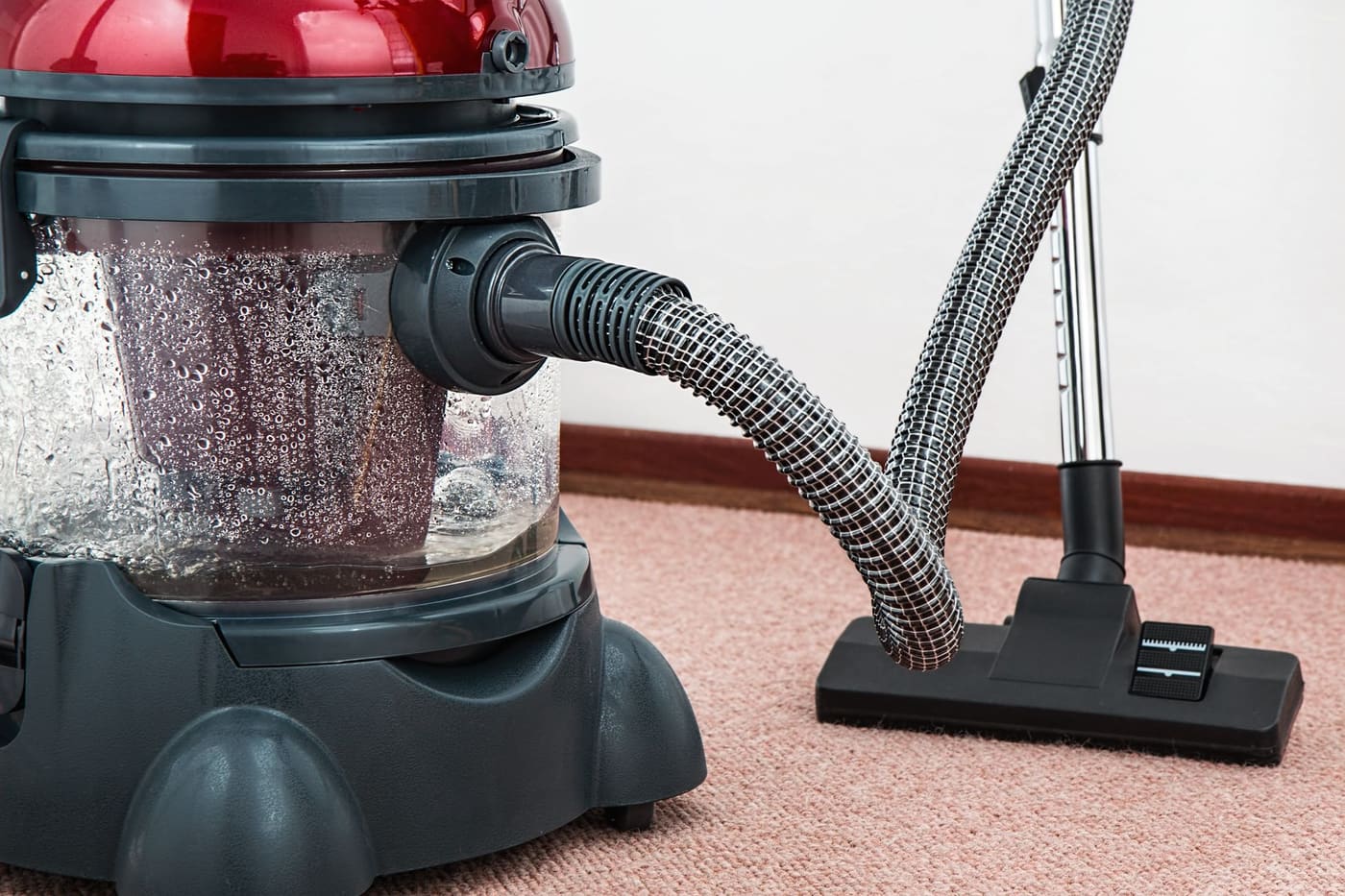
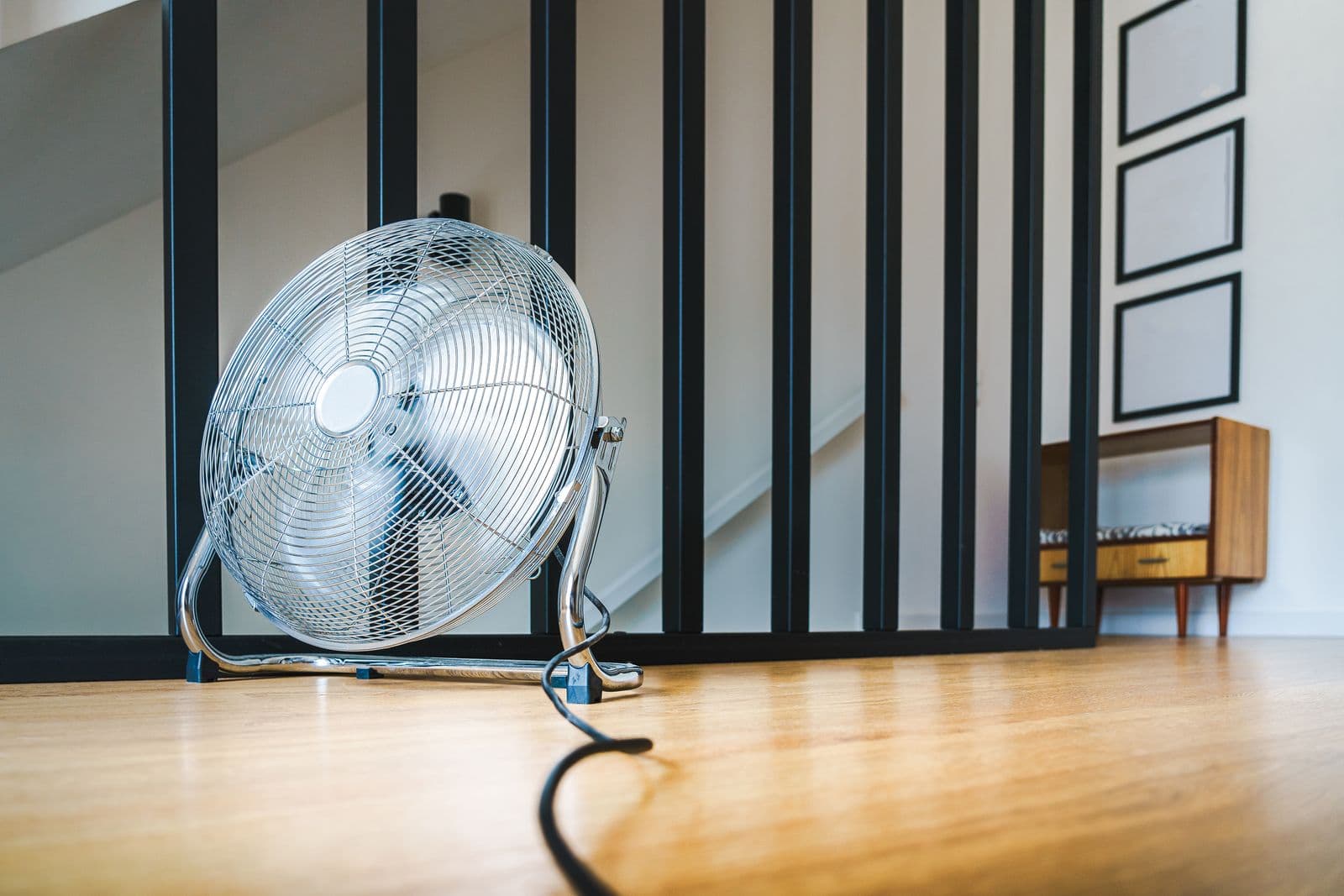
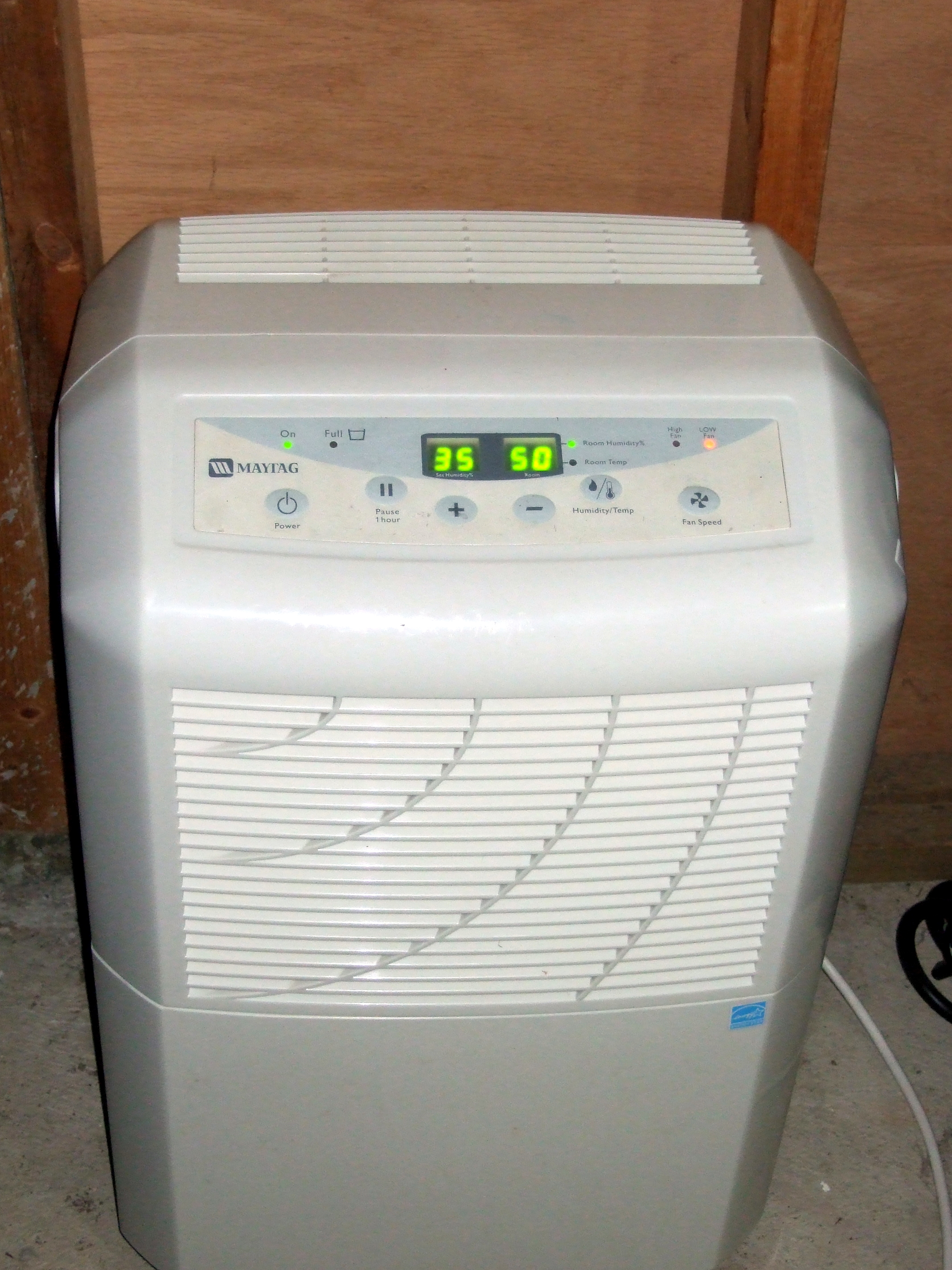
Day 1 — Extraction and setup. Standing water is pumped and extracted, unsalvageable materials are removed, and the drying equipment goes in — air movers plus dehumidifiers, positioned deliberately rather than scattered.
Days 2–4 — Drying and monitoring. The equipment runs continuously, and a technician returns daily to record moisture readings, temperature and humidity. This is the part people find maddening: nothing visibly happens, the machines are loud, and the house is disrupted. Turning the equipment off overnight to sleep is the single most common way homeowners extend their own timeline.
Day 3–5 — Verification. Drying is complete when materials reach a dry standard — the moisture content of the same material in an unaffected part of the house — not when the surface feels dry. Insist on seeing the final readings. The structural drying guide explains what the numbers mean.
Then reconstruction, which is a separate job, often a separate contract, and frequently a separate contractor.
What Makes It Longer
- Class 3 and 4 losses. Water from overhead that soaked ceilings, walls and insulation, or water bound in hardwood, plaster or concrete, dries slowly by definition. Class 4 specialty drying can run well past a week.
- Hardwood floors. Even successful drying takes 10–14 days, and cupped boards need months at stable moisture before they can be sanded.
- Category 2 and 3 water. Contamination adds removal and disinfection steps before drying can begin.
- Mold. If growth is found, containment goes up and remediation runs before any rebuilding.
- Insurance approvals. Genuinely the most common hidden delay — adjuster scheduling, scope disputes and supplement approvals routinely add one to three weeks before reconstruction can start.
- Materials. Cabinetry, matching flooring and custom millwork have lead times that have nothing to do with your crew.
Talk to a water damage pro now
Answered 24/7 · Free call · Your ZIP routes you to the nearest crew
(888) 840-6512- Describe the damage & give your ZIP
- You're routed to the on-call local crew
- They quote — you decide, no obligation
What Makes It Shorter
Calling fast is the biggest lever you control. Water spreads and wicks; a loss caught in two hours is a fraction of the same loss caught in two days, in both cost and time.
After that: let the equipment run 24/7, do not block airflow, move contents and rugs out quickly so crews are not working around them, and file the claim the same day so the insurance track runs in parallel with drying rather than after it.
Red Flags on Timeline
- Equipment left more than 5–7 days with no explanation and no readings. Equipment on site is billable per day. Ask for the daily moisture log; a crew that cannot produce one is either not monitoring or is padding.
- "We'll be done tomorrow" on day one, before any moisture mapping.
- No written scope distinguishing the mitigation contract from the rebuild contract.
The contractor vetting guide covers what a legitimate scope looks like.
Bottom Line
Plan for 3–5 days of drying and 1–2 weeks minimum of repairs on an ordinary single-room loss, longer if hardwood, contamination or mold are involved. Judge progress by the daily moisture readings rather than how the floor feels — and expect the insurance approval, not the drying, to be what actually holds you up.
Reading to confirm what you already suspect?
Confirm it in two minutes instead — the pro on this line answers questions about YOUR situation all day: what it is, what it should cost, whether you even need service. If you want, they'll set the appointment on the same call.
Toll-free · no obligation · asking costs nothing
Frequently Asked Questions
- 1High ambient humidity -- in summer or humid climates, LGR dehumidifiers work against external moisture, adding 1--3 days
- 2Category 3 water requiring demolition before drying can begin
- 3Dense materials like hardwood floors, plaster, or concrete block that hold moisture longer than drywall
- 4Hidden moisture in wall cavities not identified during initial moisture mapping. If technicians return on day 4 and readings are not dropping, expect the timeline to extend.
- 1moisture readings reach IICRC target levels,
- 2clearance testing passes (for mold), and
- 3reconstruction is complete. Your restoration company should provide a written clearance document before equipment is removed.
How long does water damage restoration take?
Most residential water damage restoration takes 7--14 days total: 3--7 days for structural drying (the mitigation phase), plus 1--7 days for reconstruction depending on scope.
The drying phase cannot be shortened by running more fans -- it follows the physics of moisture evaporation from structural materials. IICRC S500 requires drying to verified moisture levels before reconstruction begins. Rushing drying leads to mold inside walls after reconstruction is complete.
How long does the drying phase of water damage take?
Structural drying typically takes 3--5 days for Category 1 (clean water) events and 5--7 days for Category 2 (gray water) events. Category 3 (sewage/flood) events require material removal first -- drying the remaining structure takes 3--5 days after demolition.
These timelines assume correct equipment placement: LGR dehumidifiers achieving 1.6+ pints per day per cubic foot of air space, and air movers creating 200+ CFM of surface airflow. Consumer-grade fans and store dehumidifiers do not achieve these rates.
Can water damage dry out on its own without restoration equipment?
NoNot to IICRC standards. Air drying without equipment can reduce surface moisture but leaves structural materials (wall cavities, subfloor, framing) at levels that support mold growth for weeks or months.
A wall that feels dry to the touch can register 20--30% moisture on a professional meter -- well above the 16% threshold for mold. Professional structural drying achieves verified dry standards, documented with daily moisture readings, that protect against mold and support insurance claims.
What slows down water damage restoration?
Four things commonly extend the timeline:
When can I move back in after water damage restoration?
For clean-water events with no mold: you can typically remain in undamaged areas of the home during restoration. For Category 3 (sewage) or mold remediation events, vacate the affected areas -- restoration crews wear full PPE for a reason. Return is safe after:
Who do I call right now for water damage?
Call (888) 840-6512. The line is answered 24 hours a day, seven days a week, and connects you with an IICRC-certified water damage restoration company that serves your area.
Describe what you can see — where the water is coming from, how long it has been there, and whether it smells — and the dispatcher routes you to a crew that handles that kind of loss. If the source is a pipe or an appliance, shut the main water valve first; the call itself takes under two minutes.
Sources
- IICRC S500 Standard for Professional Water Damage Restoration -- Structural Drying Targets(retrieved 2026-07-16)
- EPA -- Mold Remediation in Schools and Commercial Buildings (moisture thresholds)(retrieved 2026-07-16)
Methodology: How we source and verify data · Report an error
Disclaimer: HearthDry is an independent educational resource. This article is for informational purposes only and does not constitute professional, legal, or insurance advice. Consult licensed professionals before making decisions about your property or insurance claims.
Professional Equipment
The Right Equipment Cuts Drying Time in Half
IICRC S500 standard defines “dry” as 3 consecutive days of stable moisture readings. Professional LGR dehumidifiers hit that threshold in 3–5 days; consumer units often take 7–10+. The difference is equipment grade.
Affiliate link — HearthDry earns a commission from Sylvane via CJ at no extra cost to you
Equipment
What each machine actually does
Removes the moisture the structure is still giving off — the machine that decides how long drying takes
See the picks →Moves air across wet surfaces so the dehumidifier has something to take out of the air
See the picks →Finds water behind walls and under floors, and tells you when a material is actually dry
See the picks →Alerts you the moment a leak starts — the cheapest thing on this list and the only preventive one
See the picks →Those pages carry affiliate links. As an Amazon Associate, HearthDry earns from qualifying purchases; it costs you nothing extra.
Advertisement
