
Quick answer
Mold remediation usually takes one to five days. A small, contained area (a section of one wall, under a sink, a closet) is often done in a day or two; a typical bedroom, bathroom or finished basement room takes three to five days including drying; a large, hidden or multi-room problem — long-standing leaks, HVAC contamination, crawl spaces — takes a week or more. Those figures cover assessment, containment, removal, cleaning, drying and verification; rebuilding drywall, flooring and paint is separate and commonly adds several days to a couple of weeks. The steps that get rushed are drying and verification, and those are the two that decide whether the mold stays gone. Call (888) 840-6512 to reach a certified water damage restoration company in your area; the line is answered 24/7.
Press 1 for water damage or 2 for mold, then your 5-digit ZIP. The line goes quiet for about half a minute while it connects — that is normal, stay on.
Written & reviewed by Marcus ReedIICRC WRT
Reviewed August 30, 2026· Next review Feb 2027
How Long It Takes, by Job Size
| Job | Typical duration | What's included |
|---|---|---|
| Small contained area (under ~10 sq ft, one surface) | 1–2 days | Containment, removal, HEPA clean, verification |
| One room — bathroom, bedroom, basement room | 3–5 days | The above plus structural drying |
| Multiple rooms, or growth inside walls/ceilings | 5–10 days | Larger containment, more removal, longer drying |
| HVAC system contamination | 2–5 days on top of the room work | Duct cleaning or replacement, air handler cleaning |
| Crawl space or attic | 3–7 days | Access, removal, drying, often encapsulation |
| Whole-house after a long-term leak or long vacancy | 2 weeks or more | Phased containment, extensive removal |
Add rebuild — drywall, insulation, paint, trim, flooring — which is a separate trade and commonly adds several days to a couple of weeks depending on scheduling.
These are working days on site. The calendar time is often longer because the moisture source (plumber, roofer) has to be fixed first, and because verification sampling, when it is sent to a lab, takes two to three days to come back.
Where the Days Go
The remediation process has seven steps, and the days split unevenly between them:
- Assessment and scope — usually a separate visit before the job, not counted above. If an independent inspector is writing the scope, allow a few days between inspection and start.
- Containment and removal — the visible, noisy part. One day for most rooms. This is the part homeowners think of as "the remediation," and it is the shortest.
- Drying — the part that sets the schedule. Wet framing and subfloor dry on their own timeline; equipment shortens it but cannot skip it. One to three days for a room, longer for a slab, a crawl space or thick lumber. The crew leaves equipment running and returns to take readings.
- HEPA cleaning — a half day to a day, after removal and usually overlapping drying.
- Verification — a visual inspection the day containment comes down; independent sampling adds a lab turnaround.
Notice that a one-day quote for a room can only be true if the structure is already dry. Ask what the moisture readings are. A company that does not take them is not drying.
Five Things That Make It Slower
- 1Hidden extent. The stain on the wall is the part of the colony you can see. Behind drywall, under flooring and above ceilings the growth often runs well beyond the visible patch, and a proper crew stops and re-scopes when it finds more. This is the most common reason a job runs long, and the honest one.
- 2A source that isn't fixed. If the leak is still leaking, drying never finishes. Remediation is waiting on the plumber, the roofer or the waterproofer.
- 3Slow-drying materials. Concrete, plaster, dense hardwood, and framing that has been wet for months hold water. Long-term leaks produce long dry-outs.
- 4HVAC involvement. If the system moved spores, ducts and the air handler are on the scope, and the system may be shut down during the work.
- 5Lab turnaround for clearance. Two to three days is normal; rebuild should wait for the result, which means a gap between remediation finishing and the wall going back up.
Talk to a water damage pro now
Answered 24/7 · Toll-free · answered 24/7 · no obligation
(888) 840-6512- Describe the damage & give your ZIP
- You're routed to the on-call local crew
- They quote — you decide, no obligation
What Should Not Make It Faster
A fast job is a good thing when it is fast because the problem was small. It is a bad thing when it is fast because a step was skipped. The two steps that get cut when a crew is in a hurry:
- Drying. Closing the wall over damp framing means the remediation is repeated in a year, on the new drywall. See how fast mold grows once material is wet — it is days, not months.
- Verification. Without a post-remediation check, "done" is the company's opinion. For anything beyond a small patch — and for any job tied to a sale, a tenant or an insurance claim — independent verification is worth the extra days.
Can You Stay Home?
For most contained jobs, yes. Containment and negative air pressure exist so the rest of the house stays normal; the work area is off-limits, the equipment is noisy, and the HVAC may be off in that zone. Consider staying elsewhere if the work is in a room you cannot avoid (the only bathroom, the kitchen), if the job involves the HVAC system, or if someone in the household has asthma, a mold allergy or a compromised immune system — the CDC's guidance is that those groups are the ones for whom mold exposure carries real risk.
The Water-Damage Version
If the mold followed a water event — a burst pipe, an appliance leak, a roof failure — the timeline is often a single combined job: extraction and drying first, then remediation of whatever grew. How long water damage restoration takes covers that side; the key difference is that water damage caught within a day or two often dries before mold can establish, which is why the emergency call is worth making the day it happens.
Planning Around It
Ask the company for a schedule with the drying days marked, who is fixing the source and when, whether verification is included and who performs it, and when rebuild can start. A written scope that answers those four questions is the difference between a job that takes five days and one that takes five days twice. Cost follows the same drivers — see the mold remediation cost guide.
Reading to confirm what you already suspect?
Confirm it in two minutes instead — the pro on this line answers questions about YOUR situation all day: what it is, what it should cost, whether you even need service. If you want, they'll set the appointment on the same call.
Toll-free · no obligation · asking costs nothing
Frequently Asked Questions
How long does mold remediation take for one room?
Typically three to five days: a day for setup, containment and removal, one to three days of drying with air movers and dehumidifiers, and a final day for cleaning and verification. Rebuild — new drywall, paint, flooring — is additional.
Can mold remediation be done in one day?
Small, contained jobs can be — a patch on one wall where the materials come out and the framing is already dry. If the surrounding structure is still wet, a one-day promise means the drying step is being skipped, and that is the step that keeps mold from returning.
How long after mold remediation can I move back in?
For a contained job in one part of the house, most people never leave.
Where the work area was a bedroom or kitchen, or the household includes someone with asthma or a mold sensitivity, plan to use the space again once containment is down, verification is passed and any rebuild dust is cleaned — usually the day after the remediation itself ends.
Why is my mold remediation taking longer than quoted?
Almost alwaysBecause the problem was bigger than the surface suggested — growth behind the wall or under the floor — or because the structure is drying more slowly than expected.
Both are legitimate; the company should show you the additional area or the moisture readings. A job that runs long because containment or drying is being done properly is the good kind of long.
Who do I call right now for water damage?
Call (888) 840-6512. The line is answered 24 hours a day, seven days a week, and connects you with an IICRC-certified water damage restoration company that serves your area. A recorded menu picks up first: choose water damage or mold, key in your 5-digit ZIP code, and hold through the short silence while the call is passed to the company.
Describe what you can see — where the water is coming from, how long it has been there, and whether it smells — the more specific you are, the faster the right company is on the line. If the source is a pipe or an appliance, shut the main water valve first. Have four things ready and the call goes quickly: the address, when the water started, what is wet now, and whether you have filed an insurance claim.
Still not sure which of these is your situation? (888) 840-6512 · toll-free · answered 24/7
Sources
- EPA — Mold Cleanup in Your Home
- IICRC — Standards (ANSI/IICRC S520 Mold Remediation, S500 Water Damage Restoration)
- EPA — A Brief Guide to Mold, Moisture and Your Home
- NYC Health — Guidelines on Assessment and Remediation of Fungi in Indoor Environments
Methodology: How we source and verify data · Report an error
Disclaimer: HearthDry is an independent educational resource. This article is for informational purposes only and does not constitute professional, legal, or insurance advice. Consult licensed professionals before making decisions about your property or insurance claims.
Free 2-day shipping
Amazon Prime members pay no shipping on restoration equipment
Dehumidifiers, air movers, and moisture meters qualify for free Prime delivery — bulk items that otherwise cost $15–$40 to ship.
Affiliate link — HearthDry earns a bounty if you sign up; costs you nothing extra.
Equipment
What each machine actually does
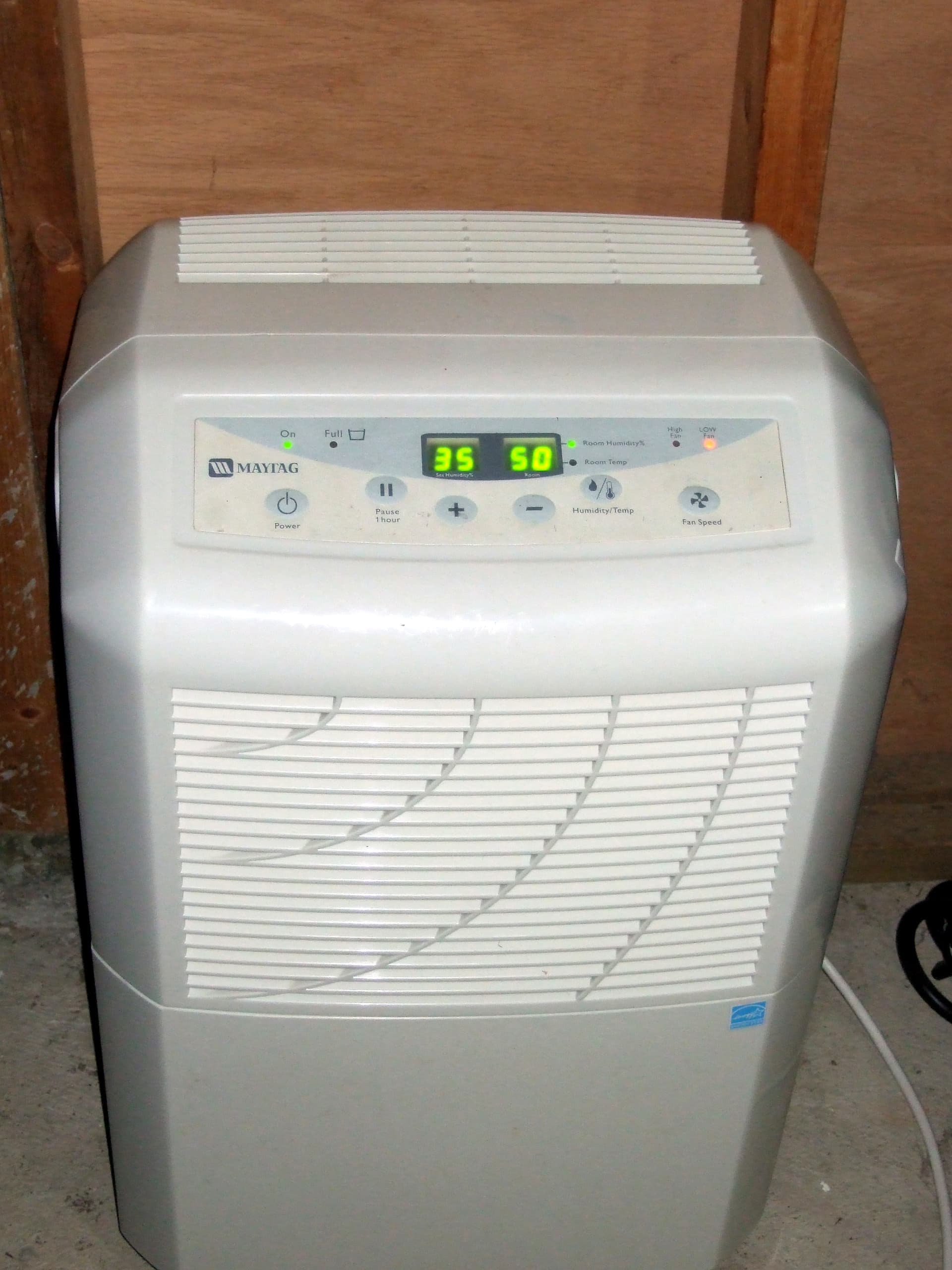
Removes the moisture the structure is still giving off — the machine that decides how long drying takes
See the picks →Moves air across wet surfaces so the dehumidifier has something to take out of the air
See the picks →Finds water behind walls and under floors, and tells you when a material is actually dry
See the picks →Alerts you the moment a leak starts — the cheapest thing on this list and the only preventive one
See the picks →Those pages carry affiliate links. As an Amazon Associate, HearthDry earns from qualifying purchases; it costs you nothing extra.
Our Amazon storefront →Advertisement
