
Quick answer
When a pipe bursts inside a wall, shut off the main water valve, open the lowest faucet to drain the pressure, and cut power at the breaker to any wet area. Photograph the damage before moving anything. A plumber opens the wall and repairs the pipe; a water damage restoration company measures the moisture, removes soaked drywall and insulation and dries the framing with equipment. Closing the wall over damp studs is how a repaired leak becomes mold, which can start in 24 to 48 hours. Call (888) 840-6512 to reach a certified water damage restoration company in your area; the line is answered 24/7.
Press 1 for water damage or 2 for mold, then your 5-digit ZIP. The line goes quiet for about half a minute while it connects — that is normal, stay on. If it does not connect, call once more: companies taking calls change minute to minute.

Written & reviewed by Marcus ReedIICRC WRT
Reviewed October 20, 2026· Next review Apr 2027
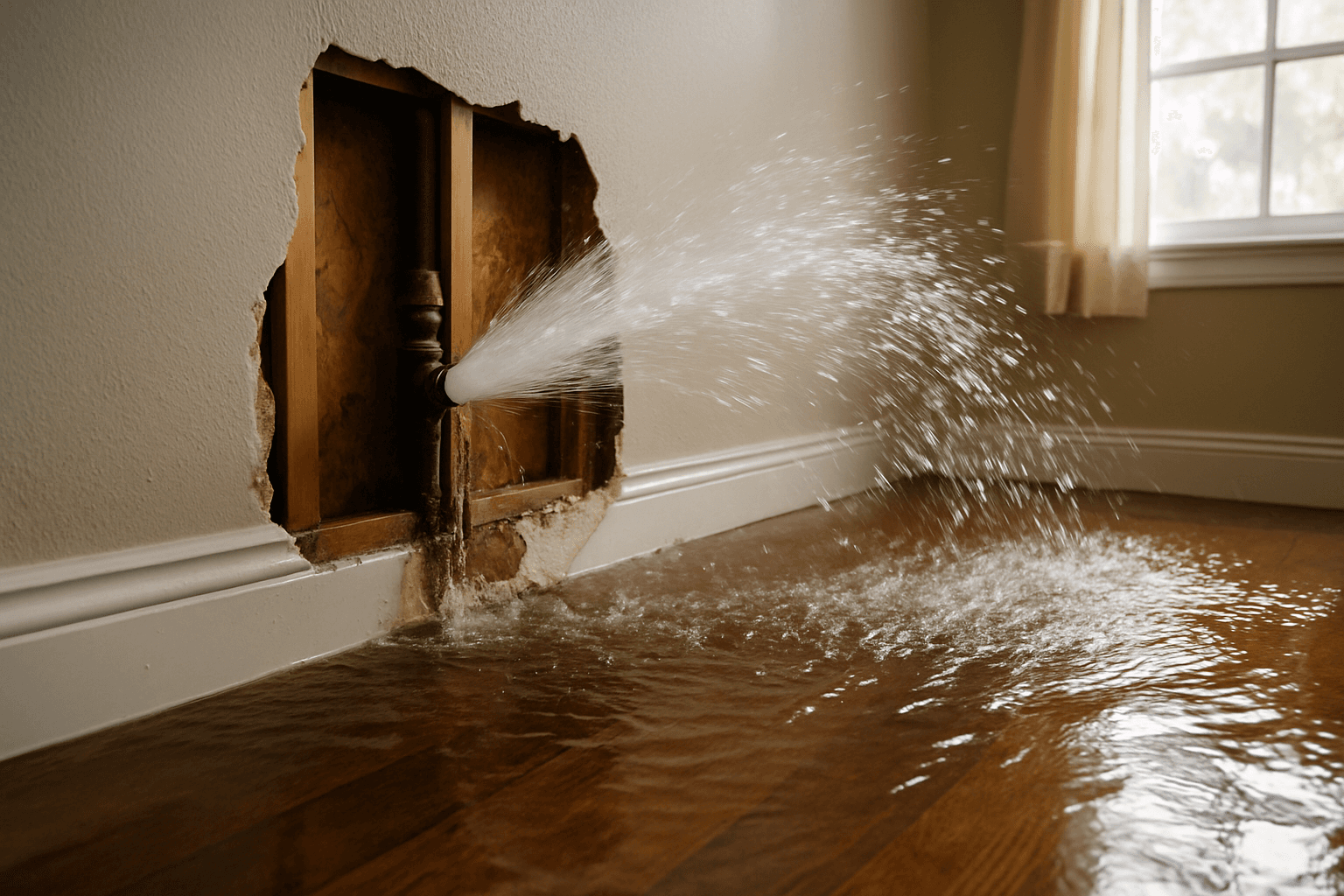
A pipe that bursts inside a wall does its damage out of sight. By the time you notice a bulging patch of paint, a wet baseboard or water running out under the drywall, the insulation and framing behind it are usually soaked. The order of the next hour matters more than anything else: stop the water, then make the space safe, then get the wall opened and dried before mold starts.
Do This in the First 15 Minutes
- 1Shut off the main water valve. It is usually where the water line enters the house: in a basement, a utility room, a garage, under the kitchen sink in some slab homes, or at the meter box near the street. Turn it clockwise until it stops. If you cannot find it or it will not turn, the water utility can shut it at the meter.
- 2Open the lowest faucet in the house to drain the pressure out of the pipes, and turn off the water heater (gas to pilot, or the breaker for an electric one).
- 3Turn off power to the wet area at the breaker panel if water is reaching outlets, switches or light fixtures. Water inside a wall can be running along wiring you cannot see.
- 4Photograph and video the wall, ceiling and floor before you move anything. These pictures are what an insurance adjuster works from.
- 5Move furniture and rugs away from the wet wall and lift curtains off the floor.
How to Tell a Pipe Burst in the Wall
- Paint or wallpaper bubbling, or drywall that bulges and feels soft
- Water running out at the bottom of the wall or the baseboard
- A hissing or running-water sound with every faucet off
- The water meter still turning when nothing in the house is on
- A sudden drop in pressure across the house
- Staining on the ceiling below if the pipe is on an upper floor
In cold climates, a burst in an exterior wall after a hard freeze is the classic case: the pipe freezes, the ice builds pressure, and the split often only leaks once the pipe thaws. Our guide on why pipes burst when they freeze explains why the leak can show up a day later.
What the restoration company does in your home

1.Finds the water you can't see
Moisture meters and a thermal camera at baseboards, under flooring and behind drywall.
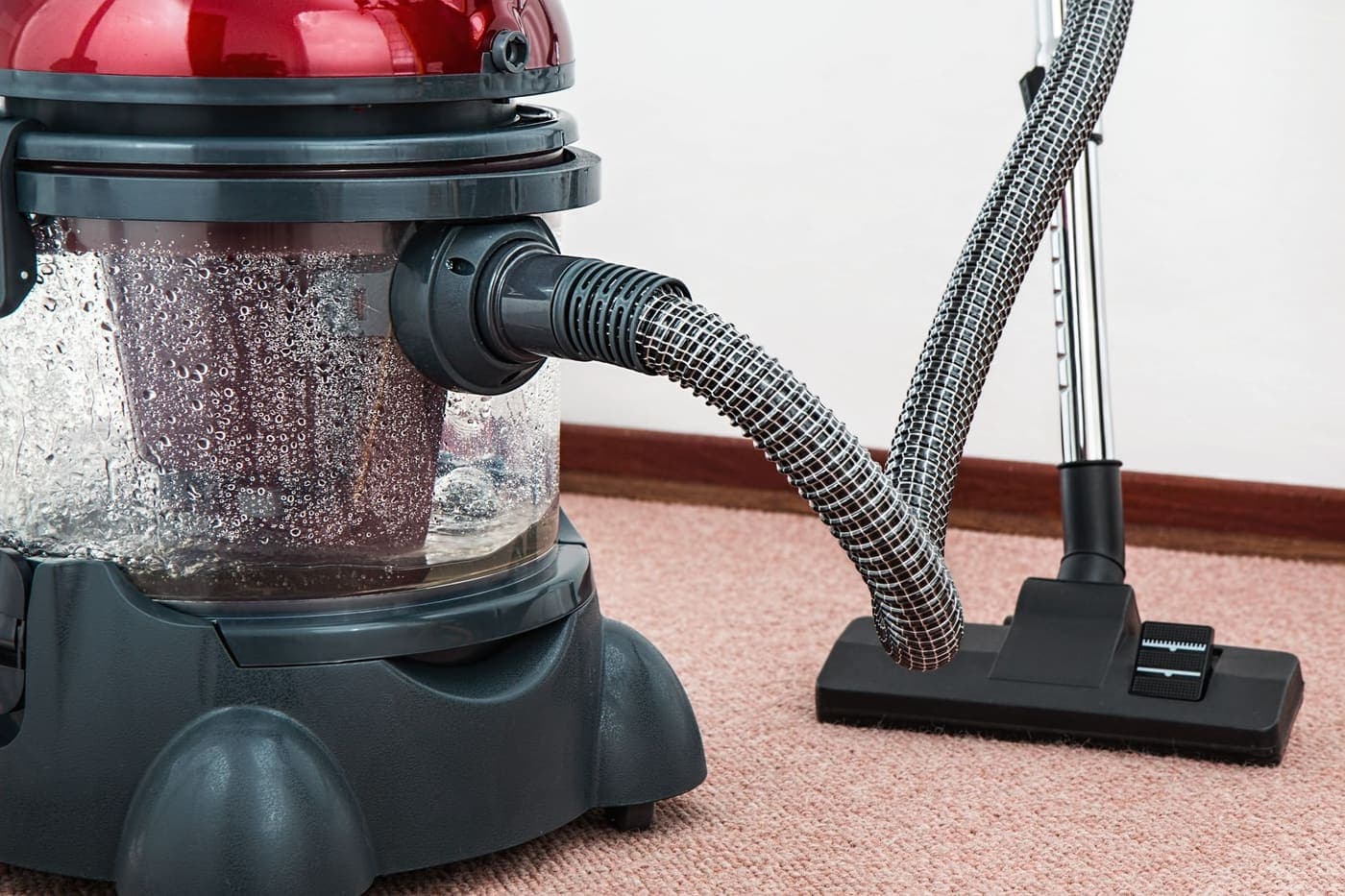
2.Pulls out the standing water
Extraction first, then anything soaked that cannot be dried is removed.
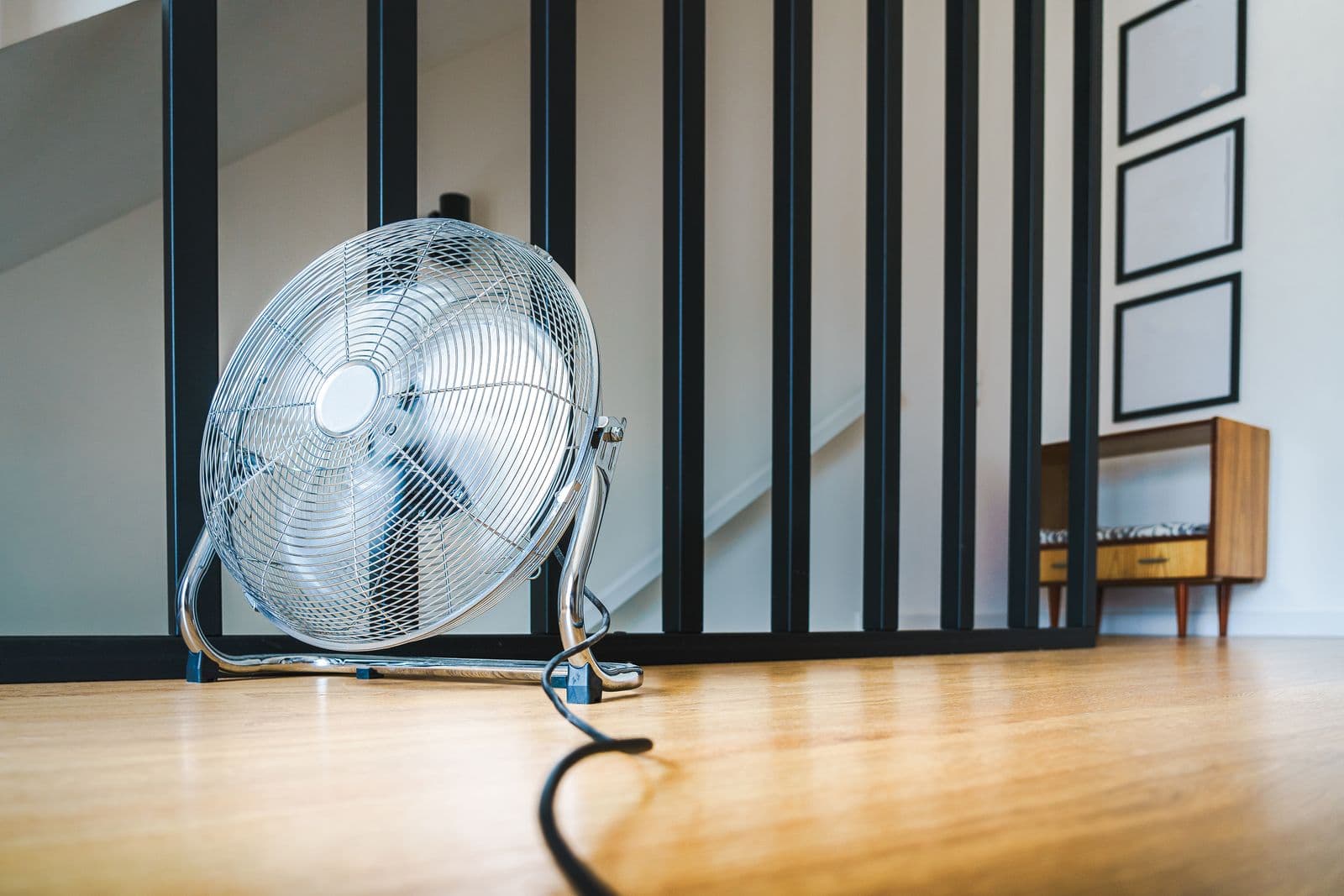
3.Dries it and logs the readings
Air movers and dehumidifiers run until the meter says dry, with a log your insurer can read.
Talk to a water damage pro now
Answered 24/7 · Toll-free · no obligation
(888) 840-6512Mold can establish within 24–48 hours of water exposure — drying started today stays a drying job.
- Press 1 for water damage or 2 for mold, then your ZIP
- Stay on through the short quiet while it connects
- A local certified company explains the job and price
Who Fixes What
A burst pipe in a wall is two jobs done by two trades.
| Job | Who | What they do |
|---|---|---|
| The pipe | Plumber | Opens the wall at the leak, repairs or replaces the section, pressure-tests the line |
| The wall, floor and ceiling | Water damage restoration company | Measures moisture with meters, cuts out soaked drywall and insulation, dries the framing with air movers and dehumidifiers to dry standard, documents it for the claim |
| Putting it back | Drywall contractor or the restoration company | Replaces drywall, tapes, paints, refits baseboard once the framing reads dry |
The order is: water off, pipe repaired, wall dried, then rebuilt. Closing a wall over damp studs is how a repaired leak turns into a mold problem months later. Under the IICRC S500 standard drying is finished when moisture readings say so, not when a surface feels dry.
If Water Has Soaked the Wall or Floor
(888) 840-6512 is answered 24/7 and connects you to an IICRC-certified water damage restoration company taking calls in your ZIP; there is no charge for the referral. Press 1 for water damage or 2 for mold, enter your 5-digit ZIP, and stay on through about half a minute of quiet while it connects. If it does not connect, call once more: the companies taking calls change minute to minute.
On the call, say where the pipe is, how long it ran before you shut the water off, and which rooms are wet. That tells the company how many rooms of drying equipment the job needs.
Pipe Burst in Wall FAQ
How do I know if a pipe burst in my wall? Look for bubbling paint, soft or bulging drywall, water at the baseboard, a running-water sound with everything off, and a water meter that keeps moving. Any two of those together point to a leak inside the wall.
Does homeowners insurance cover a pipe burst in a wall? A sudden and accidental burst is generally covered, including the water damage it causes; a slow leak that went on for weeks, or a freeze in a house left unheated, may not be. Our guide on whether insurance covers burst pipes goes through the usual exclusions.
Can I leave a wet wall to dry on its own? Not safely. Drywall, insulation and the bottom plate behind it hold water for days, and mold can start in 24 to 48 hours. The wall usually has to be opened at the bottom and dried with equipment.
How much does it cost to fix a burst pipe in a wall? It is two bills: the plumber's repair, and the drying and rebuild. The second depends on how many rooms got wet and for how long, which is why the restoration company measures before it quotes. Our burst pipe guide covers what drives the cost.
Reading to confirm what you already suspect?
Confirm it in two minutes instead — the pro on this line answers questions about YOUR situation all day: what it is, what it should cost, whether you even need service. If you want, they'll set the appointment on the same call.
Toll-free · no obligation · asking costs nothing
Frequently Asked Questions
How do I know if a pipe burst in my wall?
Bubbling paint, soft or bulging drywall, water at the baseboard, a running-water sound with everything off, and a water meter that keeps moving.
Does homeowners insurance cover a pipe burst in a wall?
A sudden and accidental burst is generally covered, including the water damage; a slow leak over weeks, or a freeze in an unheated house, may not be.
Can I leave a wet wall to dry on its own?
Not safely. Drywall, insulation and framing hold water for days and mold can start in 24 to 48 hours, so the wall is usually opened at the bottom and dried with equipment.
Who do I call for a burst pipe in the wall?
A plumber to repair the pipe, and a water damage restoration company to dry the wall, floor and ceiling and document it for the claim.
Who do I call right now for water damage?
Call (888) 840-6512. The line is answered 24 hours a day, seven days a week, and connects you with an IICRC-certified water damage restoration company that serves your area. A recorded menu picks up first: choose water damage or mold, key in your 5-digit ZIP code, and hold through the short silence while the call is passed to the company.
Describe what you can see — where the water is coming from, how long it has been there, and whether it smells — the more specific you are, the faster the right company is on the line. If the source is a pipe or an appliance, shut the main water valve first. Have four things ready and the call goes quickly: the address, when the water started, what is wet now, and whether you have filed an insurance claim.
Still not sure which of these is your situation? (888) 840-6512 · toll-free · answered 24/7
Sources
- ANSI/IICRC S500 Standard for Professional Water Damage Restoration
- EPA — A Brief Guide to Mold, Moisture and Your Home
- American Red Cross — Frozen Pipes
Methodology: How we source and verify data · Report an error
Disclaimer: HearthDry is an independent educational resource. This article is for informational purposes only and does not constitute professional, legal, or insurance advice. Consult licensed professionals before making decisions about your property or insurance claims.