
Quick answer
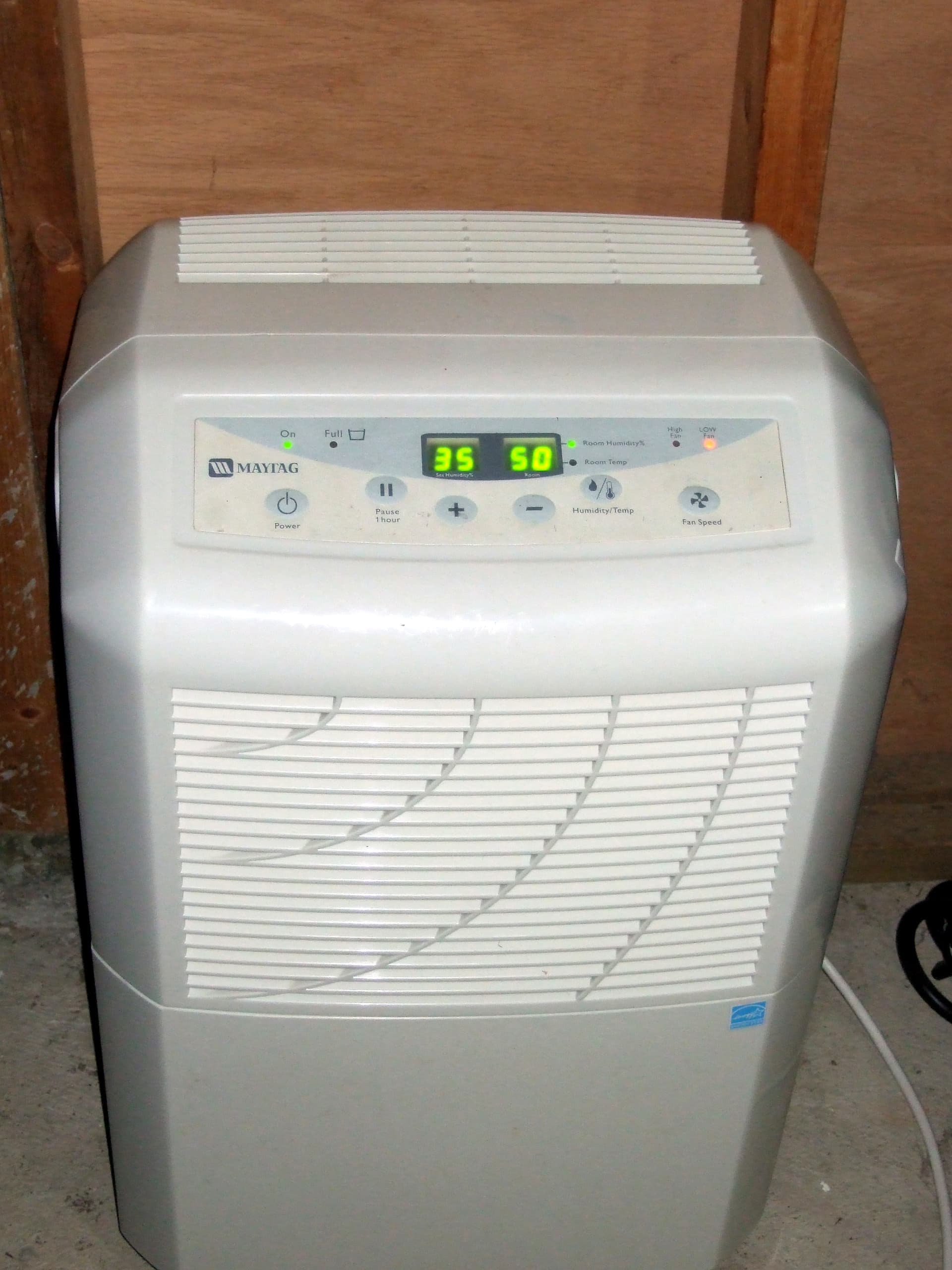
Psychrometrics is the science of how air holds moisture, and it is what makes structural drying work. Dry air pulls water out of materials; the dehumidifier then removes it from the air. Technicians track temperature, relative humidity and dew point (also called grain depression) to confirm the system is actually drying rather than just moving humid air around. Call (888) 840-6512 to reach a certified water damage restoration company in your area; the line is answered 24/7.
Written & reviewed by Marcus ReedIICRC WRT
Reviewed July 2, 2026· Next review Jan 2027
Why Your House Is Full of Loud Machines
Structural drying is not "blowing air around until things feel dry". It is applied physics, and the field is called psychrometrics — the study of air, heat and water vapour. Understanding the basics tells you whether the crew in your house is doing it correctly or just running equipment on the clock.
The core idea: water moves from wet materials into the air, and then out of the building. A drying plan manages both halves. Air movers handle the first, dehumidifiers handle the second, and skipping either one wastes the other.
The Numbers a Technician Actually Watches
| Measure | What it means | Why it matters |
|---|---|---|
| Temperature | Air temperature | Warm air holds more moisture — drying usually runs best around 70–90°F |
| Relative humidity (RH) | Percentage of the moisture the air could hold at that temperature | Useful but misleading alone — it moves with temperature even when the actual moisture does not |
| Grains per pound (GPP) | The actual weight of water in the air (specific humidity) | The honest number — technicians steer by GPP, not RH |
| Dew point | Temperature at which vapour condenses | Predicts where you will get secondary damage |
| Vapour pressure | The push that moves moisture | Drying is driven by the difference between wet material and dry air |
| Moisture content (MC) | Water held inside a material | The finish line — measured against a dry standard |
GPP is the one to ask about. Relative humidity can read 50% in two rooms holding completely different amounts of water, because their temperatures differ. Grains per pound does not lie.
The Three Levers
1. Airflow. Air movers do not dry materials by force — they strip away the thin saturated boundary layer of air sitting on a wet surface so evaporation can continue. Positioned wrong, they simply move humid air around. Positioned right, they are angled along surfaces at a shallow angle to sweep the whole plane.
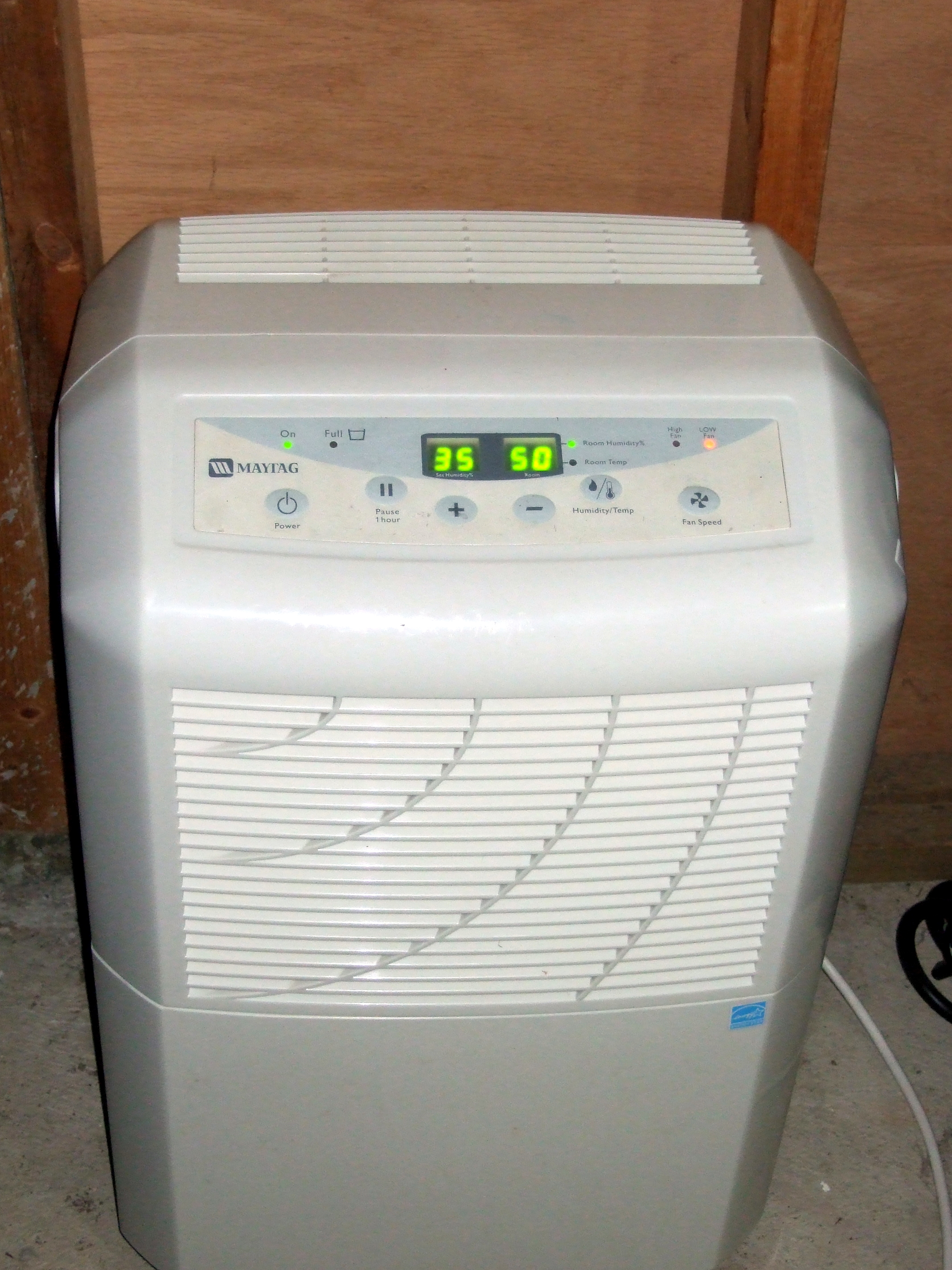
2. Dehumidification. Evaporation puts water into the air, and if nothing removes it the room reaches equilibrium and drying stops. Worse, that moisture migrates into dry parts of the house and creates new damage.
| Dehumidifier type | Best for |
|---|---|
| Conventional refrigerant | Warm, humid conditions |
| LGR (low grain refrigerant) | The workhorse — keeps pulling water at low humidity where conventional units stall |
| Desiccant | Cold conditions and Class 4 bound water — hardwood, plaster, concrete |
3. Temperature. Warmer materials release moisture faster and warmer air carries more of it. This is why crews often keep the space heated rather than opening it up.
Talk to a water damage pro now
Answered 24/7 · Toll-free · answered 24/7 · no obligation
(888) 840-6512- Describe the damage & give your ZIP
- You're routed to the on-call local crew
- They quote — you decide, no obligation
"Should I Just Open the Windows?"
Sometimes — and often not. Opening windows helps only when the outside air holds less moisture than the inside air, measured in GPP, not by how it feels. On a humid summer day you are importing water into a house you are trying to dry, and defeating the dehumidifiers you are paying for.
A technician makes this call with a psychrometer, not with intuition. If they open the house, ask what the outdoor GPP is. A confident answer is a good sign.
What a Correct Drying Log Looks Like
You should be shown, every day:
- Outside temperature, RH and GPP
- Inside (affected area) temperature, RH and GPP
- Dehumidifier outlet readings — proving the units are actually pulling water
- Moisture content readings for each affected material, at marked, repeatable locations
- The dry standard — the reading from the same material in an unaffected area
Drying is finished when affected materials reach the dry standard: not when day five arrives, and not when the surface feels dry. Numbers should trend downward daily, and a flat line for two days means something is wrong — a hidden pocket of water, an undersized dehumidifier, or equipment that got switched off.
Why This Protects You
Every air mover and dehumidifier is a daily line item. Psychrometric logging is what separates a crew drying to a standard from a crew renting you equipment. A company that cannot produce daily readings either is not measuring or would prefer you did not look, and both are reasons to get another opinion.
Bottom Line
Airflow, dehumidification and temperature working together, steered by grains per pound and verified against a dry standard. Ask to see the daily log on day two. It is the single most revealing question a homeowner can ask, and it takes ten seconds.
Reading to confirm what you already suspect?
Confirm it in two minutes instead — the pro on this line answers questions about YOUR situation all day: what it is, what it should cost, whether you even need service. If you want, they'll set the appointment on the same call.
Toll-free · no obligation · asking costs nothing
Frequently Asked Questions
What should homeowners know about psychrometrics and structural drying explained?
Psychrometrics is the science behind professional structural drying. Consult an IICRC-certified restoration professional for site-specific assessment.
Does insurance cover this type of water damage?
Coverage depends on whether the event was sudden and accidental vs gradual. Document everything and review your policy exclusions.
When should I call a professional?
Call immediately if water affects multiple rooms, involves Category 2 or 3 water, or drying cannot begin within 24 hours.
How does IICRC S500 apply?
IICRC S500 defines industry-standard inspection, extraction, drying, and documentation requirements that insurers expect.
Where can I find local restoration pros?
Use HearthDry's location finder to connect with IICRC-certified restoration companies in your area.
Who do I call right now for water damage?
Call (888) 840-6512. The line is answered 24 hours a day, seven days a week, and connects you with an IICRC-certified water damage restoration company that serves your area. Describe what you can see — where the water is coming from, how long it has been there, and whether it smells — the more specific you are, the faster the right company is on the line.
If the source is a pipe or an appliance, shut the main water valve first. Have four things ready and the call goes quickly: the address, when the water started, what is wet now, and whether you have filed an insurance claim.
Still not sure which of these is your situation? (888) 840-6512 · toll-free · answered 24/7
Sources
- IICRC S500 — Water Damage Restoration(retrieved 2026-07-02)
- EPA — Mold and Water Cleanup Guidance(retrieved 2026-07-02)
Methodology: How we source and verify data · Report an error
Disclaimer: HearthDry is an independent educational resource. This article is for informational purposes only and does not constitute professional, legal, or insurance advice. Consult licensed professionals before making decisions about your property or insurance claims.
Professional Equipment
The Equipment That Makes Psychrometric Drying Work
LGR dehumidifiers operate efficiently below 45°F dewpoint — the zone where standard units stall. Pair them with axial air movers and measure dewpoint at the dehumidifier exhaust. When it stops dropping, you're dry.
Affiliate link — HearthDry earns a commission from Sylvane via CJ at no extra cost to you
Free 2-day shipping
Amazon Prime members pay no shipping on restoration equipment
Dehumidifiers, air movers, and moisture meters qualify for free Prime delivery — bulk items that otherwise cost $15–$40 to ship.
Affiliate link — HearthDry earns a bounty if you sign up; costs you nothing extra.
Equipment
What each machine actually does
Removes the moisture the structure is still giving off — the machine that decides how long drying takes
See the picks →Moves air across wet surfaces so the dehumidifier has something to take out of the air
See the picks →Finds water behind walls and under floors, and tells you when a material is actually dry
See the picks →Alerts you the moment a leak starts — the cheapest thing on this list and the only preventive one
See the picks →Those pages carry affiliate links. As an Amazon Associate, HearthDry earns from qualifying purchases; it costs you nothing extra.
Our Amazon storefront →Advertisement
