

Quick answer
The water METER is the property line of responsibility: leaks on the STREET side — water bubbling from pavement, a flooded parkway strip, a gushing hydrant, a wet ring around the meter box — get reported to your water utility's 24/7 emergency line (it's on your bill and the utility's website), and the utility repairs its own mains at its cost. Leaks on the HOUSE side of the meter — the service line across your yard, and everything past the foundation — are yours: shut-off, plumber for the pipe, and a restoration call for anything the leak already soaked. Not sure which side? A meter that spins with everything in the house off means the leak is on your side of the border. Call (864) 806-2818 to reach a certified water damage restoration company in your area; the line is answered 24/7.
Enter your 5-digit ZIP when asked. The line goes quiet for about half a minute while it connects — that is normal, stay on. If it does not connect, call once more: companies taking calls change minute to minute.
 Serving US homesCertified US companiesCall nowLine answered 24/7

Water moves fast. What you do first decides if it stays a drying job.
Do this first
- Shut off the mainNear the meter or where the line enters.
- Kill power to wet roomsFlip the breaker before you step in.
- Photograph everythingBefore you move or throw anything out.

Written & reviewed by Marcus ReedIICRC WRT
Reviewed September 4, 2026· Next review Mar 2027
Who you report a leak to depends on a line most people have never looked for: the water meter. On the street side of it, the pipe belongs to the utility. On your side, it belongs to you. Find the meter and the rest of this gets simple.
Work Out Whose Leak It Is
- 1Find the meter. Usually a concrete or plastic box set in the ground near the curb or the sidewalk, with a lid marked WATER. In cold climates it is often indoors, where the service line enters the basement.
- 2Run the meter test. Turn off everything in the house that uses water, including the ice maker and any irrigation. Look at the meter. If the dial or the small triangle or star indicator is moving, water is flowing on your side of the meter. If it is perfectly still and there is water bubbling up in the street, the leak is on the utility's side.
- 3Report with specifics. Street address, nearest cross street, what you see — water from a crack in the road, a flooded strip of grass by the curb, a leaking hydrant, a wet ring around the meter box — and whether it is affecting traffic or entering a property.
- 4Protect your side regardless. If water is heading for your foundation, garage or basement, sandbag or divert it and move what you can. Whose pipe it is does not change where the water goes.
Who Takes the Report
| What you see | Whose it is | Who to call |
|---|---|---|
| Water coming up through the road or pavement | Utility main | Water utility's 24-hour emergency line |
| A leaking or knocked-over fire hydrant | Utility | Water utility; 911 only if it is a traffic hazard |
| Water pooling in or around the meter box | Could be either side | Water utility first — they will tell you which side |
| A soggy strip of lawn between the meter and the house | Your service line | A plumber |
| Meter moving with everything off, nothing visible | Your side, possibly under the slab | A plumber with leak-detection equipment |
| Water already inside the house | Yours to deal with now | Shut the main, then restoration and a plumber |
The utility's emergency number is on your water bill and on the utility's website under "report a leak" or "emergency". Many cities also take reports through 311. You do not need to be the account holder, and you do not need to be sure — utilities would rather send a truck to a false alarm than learn about a main break from the news.
The Pipe Between the Street and Your House
This is the part that surprises people. The service line running from the meter to your foundation is almost always the homeowner's responsibility, even though it is buried in the front yard and you have never seen it. When it leaks, the signs are indirect: a water bill that jumped, a patch of grass that is greener or soggier than the rest, the sound of running water when nothing is on, or a drop in pressure. The main water line leak guide covers the signs, the repair options and what they cost.
Standard homeowners insurance usually does not pay to repair a buried service line; that is what a separate service-line endorsement is for, and it is one of the cheaper additions to a policy. What insurance may cover is the damage the escaping water does inside the house.
per sq ft, mitigation only
- Category 1Clean supply water
- Category 2Grey water
- Category 3Black water
Extraction and drying only. Rebuilding drywall, floors and cabinets is priced separately.
The mold clock on wet material
- Hour 0Water stopsShut the supply and start getting water out. Drying begins here.
- About 24 hSpores germinateMold spores start growing on wet drywall, carpet pad and wood.
- 48–72 hVisible coloniesGrowth you can see and smell. Drying becomes a mold job.
Serving US homesCertified US companiesCall nowLine answered 24/7Report the Right Leak to the Right Place
- 1Find the meterThe border of responsibility — usually a box at the sidewalk or property line.
- 2Run the meter testEverything off indoors, watch the dial 10 minutes: moving = your side; still (with a wet street) = report to the utility.
- 3Report with specificsUtility emergency line: location, how fast it's flowing, whether pavement is lifting — main breaks get triaged by severity.
- 4Protect your side regardlessPhotos with timestamps, valuables off wet floors, and a certified drying call if water reached the structure — claims favor the documented.
What the restoration company does in your home

1.Finds the water you can't see
Moisture meters and a thermal camera at baseboards, under flooring and behind drywall.
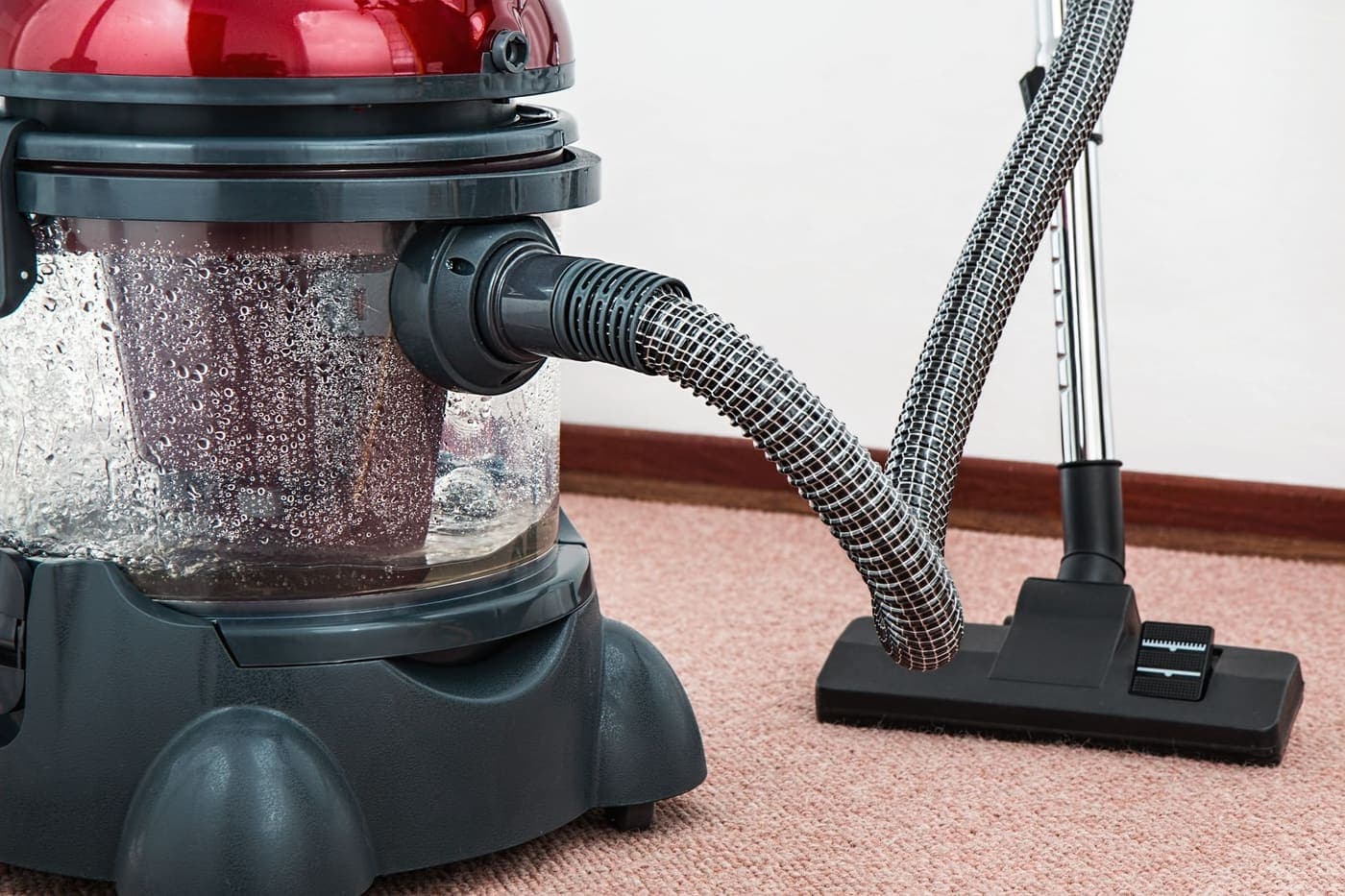
2.Pulls out the standing water
Extraction first, then anything soaked that cannot be dried is removed.
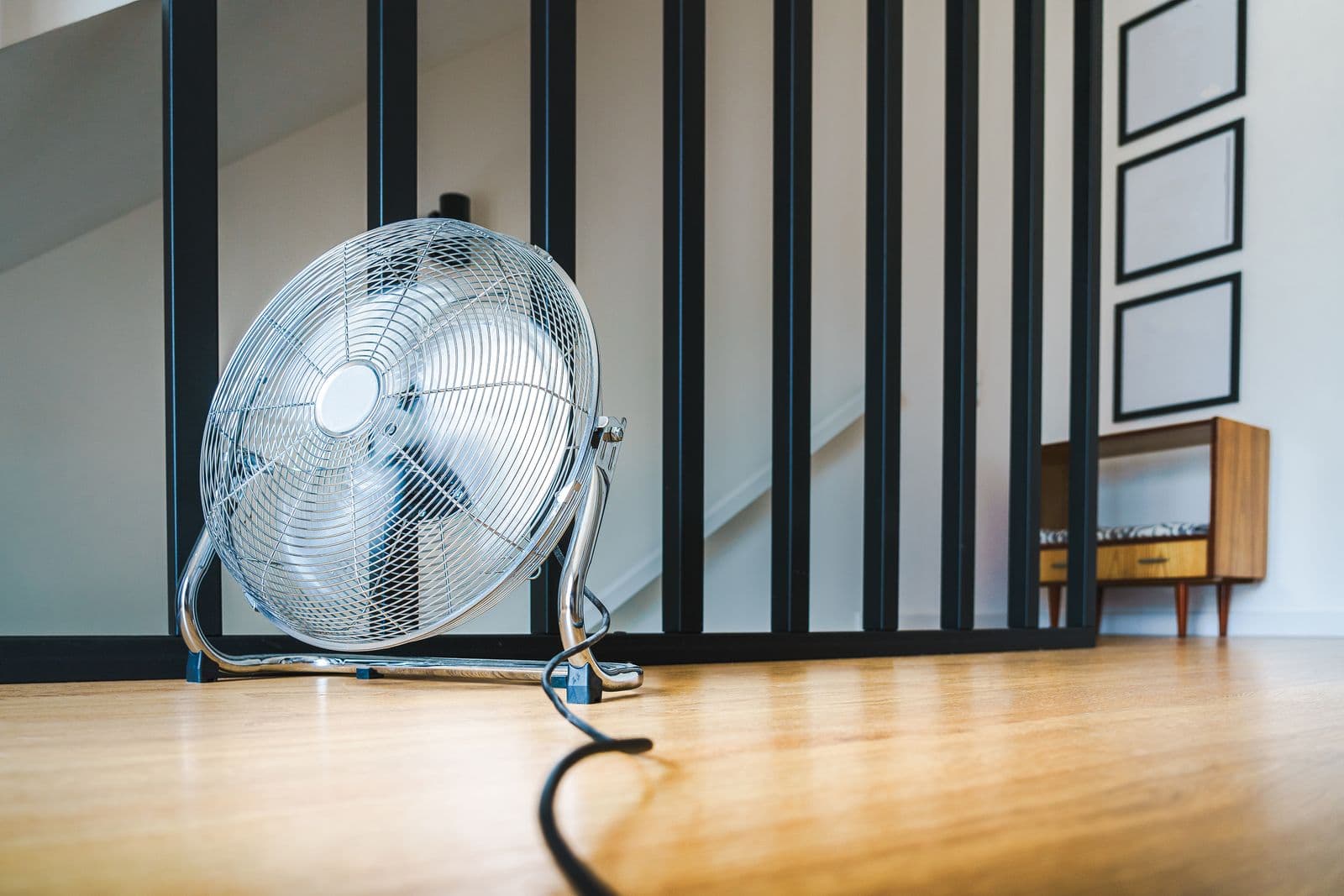
3.Dries it and logs the readings
Air movers and dehumidifiers run until the meter says dry, with a log your insurer can read.
Talk to a water damage pro now
Answered 24/7 · Toll-free · no obligation
(864) 806-2818Mold can establish within 24–48 hours of water exposure — drying started today stays a drying job.
- Enter your ZIP when asked
- Stay on through the short quiet while it connects
- A local certified company explains the job and price
If the City's Main Flooded Your Property
Report it to the utility straight away, and then treat your own property like any other water loss: photographs and video with timestamps — the break itself if you can see it, the water line on your walls, everything damaged. Then two tracks run in parallel.
- A claim against the municipality. Most cities have a formal process for damage from a main break, and most have a short deadline for giving written notice — sometimes as little as 30 to 90 days. Ask the utility for the claim form the same day you report the break.
- Your own insurer. Your policy may pay first and then pursue the city. Either way, the claim runs on your documentation.
Neither track is a reason to wait on drying. Every policy and every municipal claims office expects you to limit the damage, and wet drywall and flooring do not pause while the paperwork moves.
When the Water Is Already Indoors
Reporting is a side issue once water is in the house. Close the main shut-off — usually where the service line enters the building, or at the meter with a meter key — and cut power to wet rooms at the panel if you can reach it safely. Then it is the usual two calls: a plumber for the pipe, and a water damage restoration company for whatever the leak soaked. (864) 806-2818 is answered 24/7, and connects you to a certified restoration company covering your ZIP; if you are not sure yet whether there is anything to dry, that is exactly the question to ask them.
For the order of calls in a full-blown loss, see who to call for water damage and, if a pipe has let go, who to call for a burst pipe.
Things That Are Not Worth Reporting to Anyone
A running toilet, a dripping faucet, a sweating pipe — none of these are a utility matter, and none need a restoration company. They are worth fixing anyway: a toilet that runs constantly can waste hundreds of gallons a day, and a slow drip under a sink is how cabinet floors rot. That is a plumber, or a Saturday morning and a new flapper.
The Short Version
Meter test first. Street side: the utility's emergency line. Your side: a plumber. Water in the house: shut the main, photograph it, and get the wet materials looked at as well as the pipe.
Reading to confirm what you already suspect?
Confirm it in two minutes instead — the pro on this line answers questions about YOUR situation all day: what it is, what it should cost, whether you even need service. If you want, they'll set the appointment on the same call.
Toll-free · no obligation · asking costs nothing
Frequently Asked Questions
- 1your water bill — the emergency number is printed on it
- 2the utility's website — search '[your city] water utility report leak'
- 3many cities route it through 311. For a main break flooding the street, the utility's 24/7 emergency line beats the online form — mains lose thousands of gallons an hour.
- 1the meter test — everything off inside, meter still moving
- 2a mysteriously green or soggy strip of lawn in dry weather
- 3a water bill that jumped with no habit change
- 4low pressure at every fixture at once
- 5the sound of running water in the house with nothing on. Any two together justify a plumber with leak-detection gear.
How do I find my water utility's leak-report number?
Three fast places:
Who pays for a leak between the street and my house?
The unwelcome answer for most homeowners: the SERVICE LINE from the meter to your foundation is typically the homeowner's responsibility, even though it's underground in your yard.
The utility owns the main and usually the meter itself. Some utilities and insurers sell service-line coverage riders (often $5–$15/month) — worth checking before your yard ever gets soggy for no reason.
What are the signs of an underground leak on my side?
Five classics:
The city's main broke and flooded my property — who covers my damage?
Report it to the utility immediately and photograph everything with timestamps — water line, damage, the break itself if visible. Many municipalities have claim processes for main-break damage, with strict notice deadlines (sometimes 30–90 days).
Your own insurer may also cover and then pursue the city. Either path runs on your documentation, and a certified crew's drying records strengthen both.
Is a running toilet or dripping faucet worth 'reporting' to anyone?
Only to your own plumber — but don't shrug it off: a running toilet can pass 200+ gallons a DAY, which shows up as a shocking bill and, when the leak is silent (flapper seepage), as the mystery your utility's high-usage alert catches before you do.
Many utilities offer free high-usage notifications — turn them on; it's the cheapest leak detection you'll ever own.
Water already got into the house — where does restoration fit?
Whoever owns the pipe, the wet floor is yours to save: extraction and measured drying inside the 24–48 hour mold window, documented for whichever claim (insurer or municipality) applies.
One call reaches a certified local crew that answers 24/7, tells you what the water reached, and explains costs before anything starts — while the utility or plumber handles their side of the meter.
Who do I call right now for water damage?
Call (864) 806-2818. The line is answered 24/7, and connects you with an IICRC-certified water damage restoration company that serves your area. A recorded prompt picks up first: key in your 5-digit ZIP code, and hold through the short silence while the call is passed to the company.
Describe what you can see — where the water is coming from, how long it has been there, and whether it smells — the more specific you are, the faster the right company is on the line. If the source is a pipe or an appliance, shut the main water valve first. Have four things ready and the call goes quickly: the address, when the water started, what is wet now, and whether you have filed an insurance claim.
Still not sure which of these is your situation? (864) 806-2818 · toll-free · answered 24/7
Sources
Methodology: How we source and verify data · Report an error
Disclaimer: HearthDry is an independent educational resource. This article is for informational purposes only and does not constitute professional, legal, or insurance advice. Consult licensed professionals before making decisions about your property or insurance claims.