
Ceiling Water Damage in Santa Fe, NM
Ceiling leak detection, drying, and restoration. IICRC-certified pros serving Santa Fe with 42-minute average emergency response.
Response
42 min
Cost range
$800+
Duration
3d
About Ceiling Water Damage in Santa Fe
Ceiling water damage from roof leaks, bathroom overflow, or upstairs pipe failures requires leak source identification, ceiling cavity drying, and restoration. Restoration teams use thermal imaging to find hidden moisture pockets and prevent secondary mold growth above the visible damage.
Santa Fe context: Santa Fe area properties face New Mexico's dual risk: summer monsoon flash flooding (June 15–September 30) that delivers intense rainfall concentrated in 30–60 minute storm events, and winter pipe freeze events at higher elevations. Albuquerque-area caliche soil creates the same drainage challenges as Phoenix — water cannot absorb and concentrates against foundations. New Mexico's flat-roof architectural tradition creates roof ponding and drain clog issues after monsoon storms. AC condensate drain lines clog rapidly during the humid monsoon season — monthly maintenance is essential June through September.
Get Santa Fe Ceiling Water Damage Help
Certified specialist calls within 15 minutes.
Quick answer
Ceiling water damage repair starts by finding the source above — plumbing, roof, or HVAC condensation — then drying the cavity and insulation before replacing the drywall. Typical cost is $800–$5,000 over about three days. A sagging or bulging ceiling is holding water and should be relieved with a small hole and a bucket rather than left to collapse. In Santa Fe, NM, local crews average a 42-minute response and area rates run $1,350–$7,650.
Not sure who to phone first? Who to call for water damage, in order.
What Ceiling Water Damage Involves
What causes it
- Roof leaks (missing shingles, damaged flashing)
- Bathroom overflow from upstairs unit
- Burst pipe above ceiling
- AC drip pan overflow
- Skylight seal failure
How the work is done
- 1Place buckets and protect flooring immediately. Set buckets under any dripping or bulging areas. If you see a visible ceiling blister, carefully puncture its lowest point to drain it in a controlled manner — a heavy ceiling bubble can drop 10–20 gallons without warning. Lay towels or plastic sheeting around the area to protect flooring and furniture from secondary water contact.
- 2Identify the most likely source from upstairs or the roof. Go upstairs (or into the attic) with a flashlight to look for the most probable leak sources above the stain location. If the ceiling is under a bathroom: check toilet base, shower pan, and supply lines. If under an HVAC unit or air handler: check the condensate drain pan and drain line. If under the roof: enter the attic and trace wet materials back toward the roof penetrations (plumbing vents, chimney, HVAC stacks). Water travels diagonally along rafters, so the entry point is rarely directly above the stain.
- 3Shut off the source if it is plumbing-related. If the leak originates from a toilet, supply line, or fixture above the ceiling, shut off that fixture's supply valve (under the sink, behind the toilet) or turn off the main supply if you cannot isolate it. If the source is roof-related or HVAC-related and cannot be stopped immediately, limit the active drip damage with your bucket collection while you arrange professional repair.
- 4Document all damage for insurance before touching the ceiling. Photograph the ceiling stain, any blisters, the floor below, and all damaged personal property. Then photograph upstairs to document the probable source. If you made a controlled puncture in a blister, photograph it before and after — this shows what you found and demonstrates that you took protective action. This photo record is your insurance documentation; do not patch or paint over staining before the adjuster sees it.
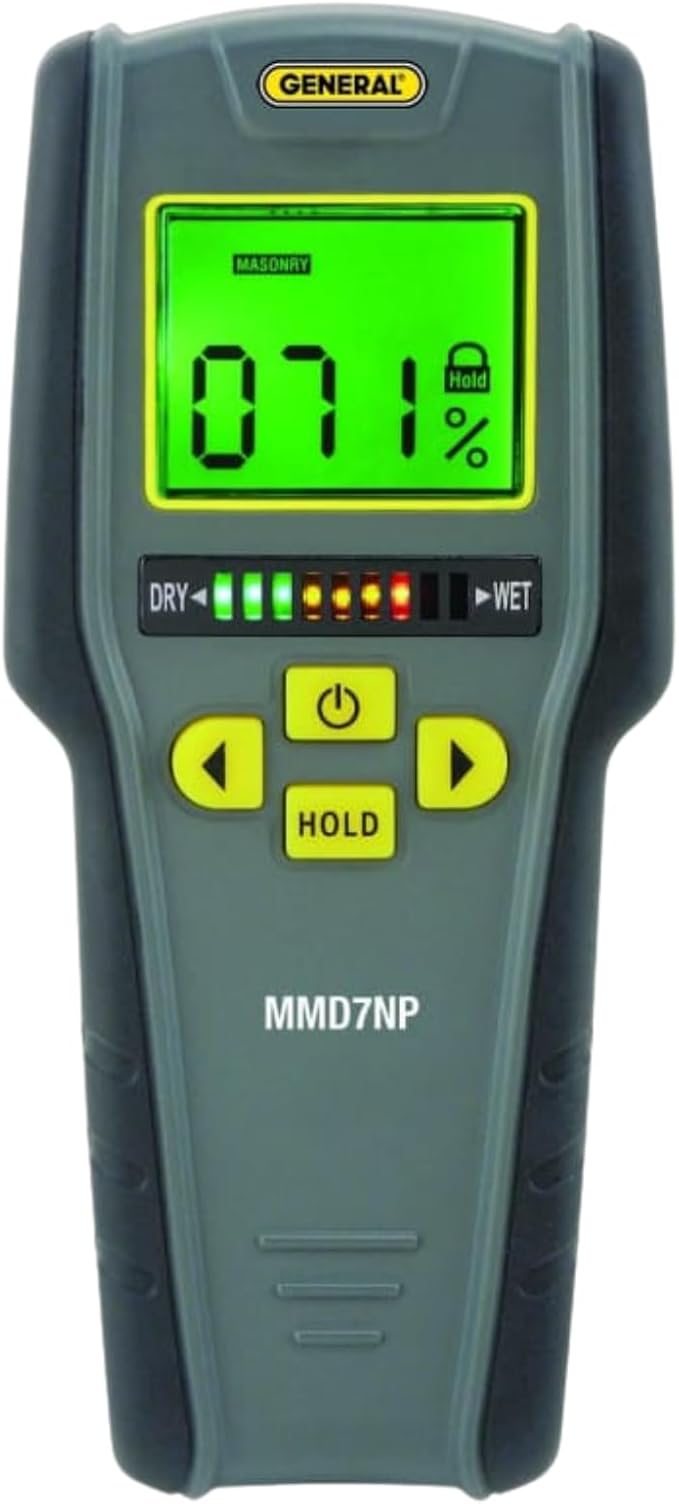
- 5Call a restoration company for moisture assessment within 24 hours. Even after the visible dripping stops, moisture trapped in the ceiling assembly (insulation, drywall paper, top plate wood) will support mold growth if not measured and dried. A certified restoration technician uses pin-type moisture meters and thermal cameras to assess the extent of hidden moisture and determine whether drill-and-inject drying, ceiling tile replacement, or drywall removal is required. Most insurers require this professional moisture documentation to process a ceiling water damage claim.
Work follows IICRC S500. Typical duration 3 days; national cost range $800–$5,000.
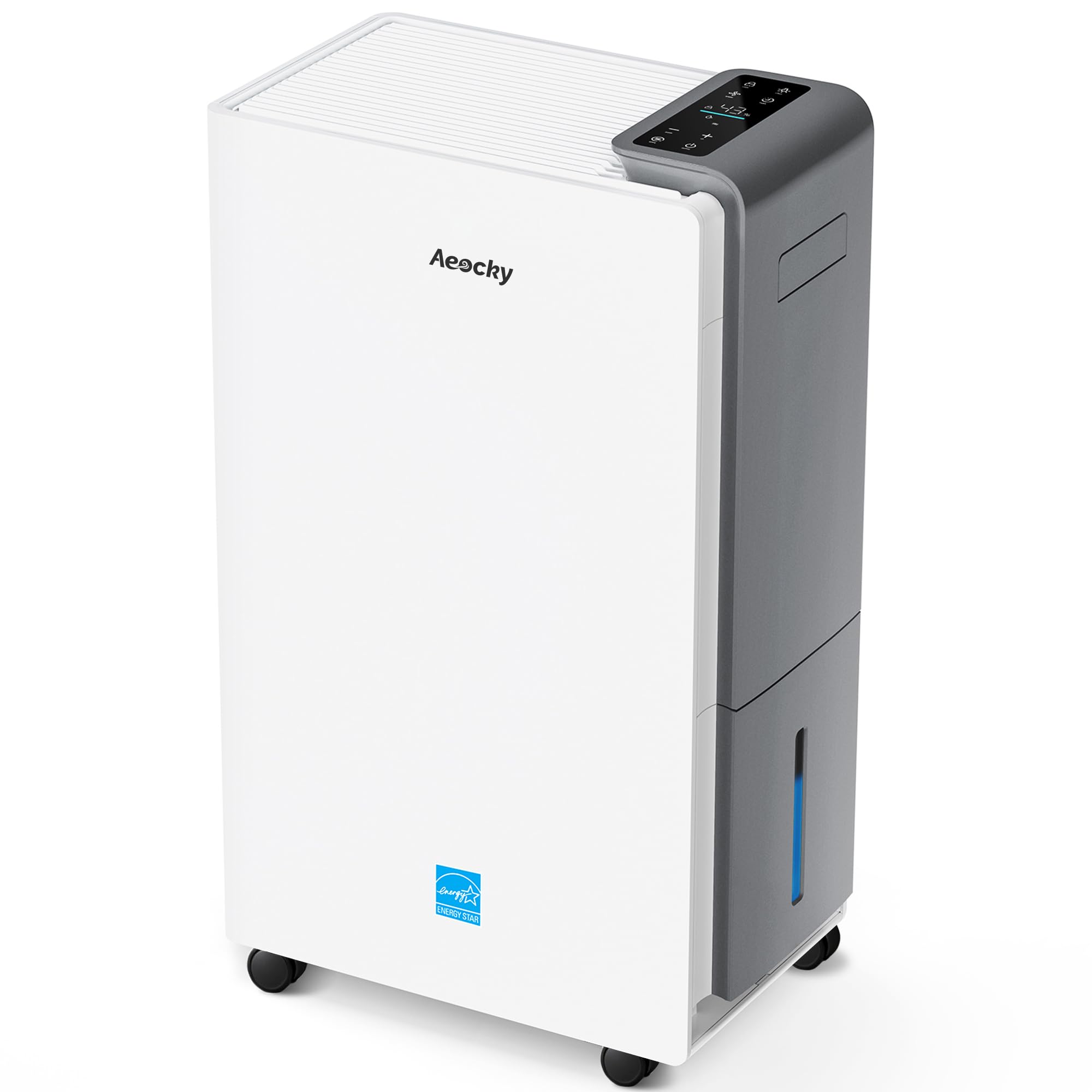
Equipment and reading for ceiling water damage
Whether you hire a crew in Santa Fe or handle part of it yourself, these are the tools the job actually needs and the background worth reading first.

Why Santa Fe Homes Face Ceiling Water Damage Risks
Local geography, climate, and housing stock all affect how water damage occurs in Santa Fe. These are the most common causes our certified teams respond to in this area.
- 1The Santa Fe River, a seasonal waterway that runs dry most of the year through Santa Fe Canyon and the historic city core, transforms into a dangerous flash flood torrent within minutes during the July-September monsoon season; the narrow canyon amplifies flood velocities and carries debris that damages canyon-adjacent structures.
- 2Acequia Madre, the historic gravity-fed irrigation ditch running along the base of the Santa Fe foothills below Canyon Road, can overflow during intense monsoon rainfall, backing stormwater into adjacent residences in the historic Acequia Madre neighborhood that were built before modern drainage standards.
- 3Arroyo de los Chamisos, a major drainage channel in the southern part of Santa Fe, collects runoff from a wide suburban watershed and has produced flooding along Rodeo Road and adjacent residential streets during single-hour rainfall events exceeding one inch.
- 4Cerrillos Road and the surrounding commercial corridors represent one of the most impervious watersheds in the region; rainfall that previously infiltrated into native soils now runs directly into arroyos and drainage ditches, dramatically increasing peak flood flows compared to historical conditions.
- 5Santa Fe's adobe and stucco building traditions are particularly vulnerable to water intrusion: prolonged monsoon rainfall saturates earthen foundations and parapet walls, causing structural adobe dissolution and roof leaks that result in interior water damage without any formal flooding event occurring.
Local Risk Notes
The Acequia Madre and Canyon Road neighborhoods in the foothills east of downtown Santa Fe are at the highest risk for flash flood and arroyo overflow damage; their historic narrow lots and adobe structures abut active drainage corridors and many lack modern flood-proofing measures. The DeVargas and Guadalupe neighborhoods near the Santa Fe River channel in the downtown core can experience rapid street flooding from arroyo surges that arrive with little warning, particularly when soil moisture is already elevated from consecutive monsoon days.
NM Insurance Tip
New Mexico homeowners should be aware that a standard homeowners policy does not cover flash flood damage from arroyo overflow or surface water inundation — only a separate NFIP or private flood insurance policy covers these events — and given that Santa Fe's monsoon season regularly produces NFIP claim events, purchasing flood coverage before June 1 is advisable to satisfy the 30-day waiting period.
Ceiling Water Damage in Santa Fe — FAQs
How fast can you get ceiling water damage help in Santa Fe?
What does ceiling water damage cost in Santa Fe?
I see a water stain on my ceiling but no active leak. Should I be worried?
Do I need to open my ceiling to dry it?
How much does ceiling water damage repair cost?
Why is the water stain on my ceiling in a different spot than where the actual leak is?
How do I know if a ceiling bubble (blister) is about to burst, and should I puncture it?
No-Obligation Estimate
Get a No-Obligation Ceiling Water Damage Estimate in Santa Fe
Serving Santa Fe, NM
Enter your info and a certified local pro will contact you within 1 hour.
24/7 Emergency Response
We connect you with pros available around the clock — nights, weekends, and holidays.
IICRC-Certified Pros
We only refer to restoration professionals certified under IICRC standards (S500, S520).
Licensed & Insured
All referred contractors carry full state licensing and liability insurance.
No-Obligation Consultation
Call anytime — triage help and contractor dispatch at no cost to you.

Sponsored
Stop Paying Out-of-Pocket for Home Repairs
Choice Home Warranty covers AC, heating, plumbing, appliances & more — so the next breakdown doesn't drain your savings.
- $50 Off your plan
- First month FREE
- No home inspection required
- 24/7 claims service
HearthDry is an independent resource and does not perform restoration work. All referred contractors are independently licensed and IICRC-certified.