
Quick answer
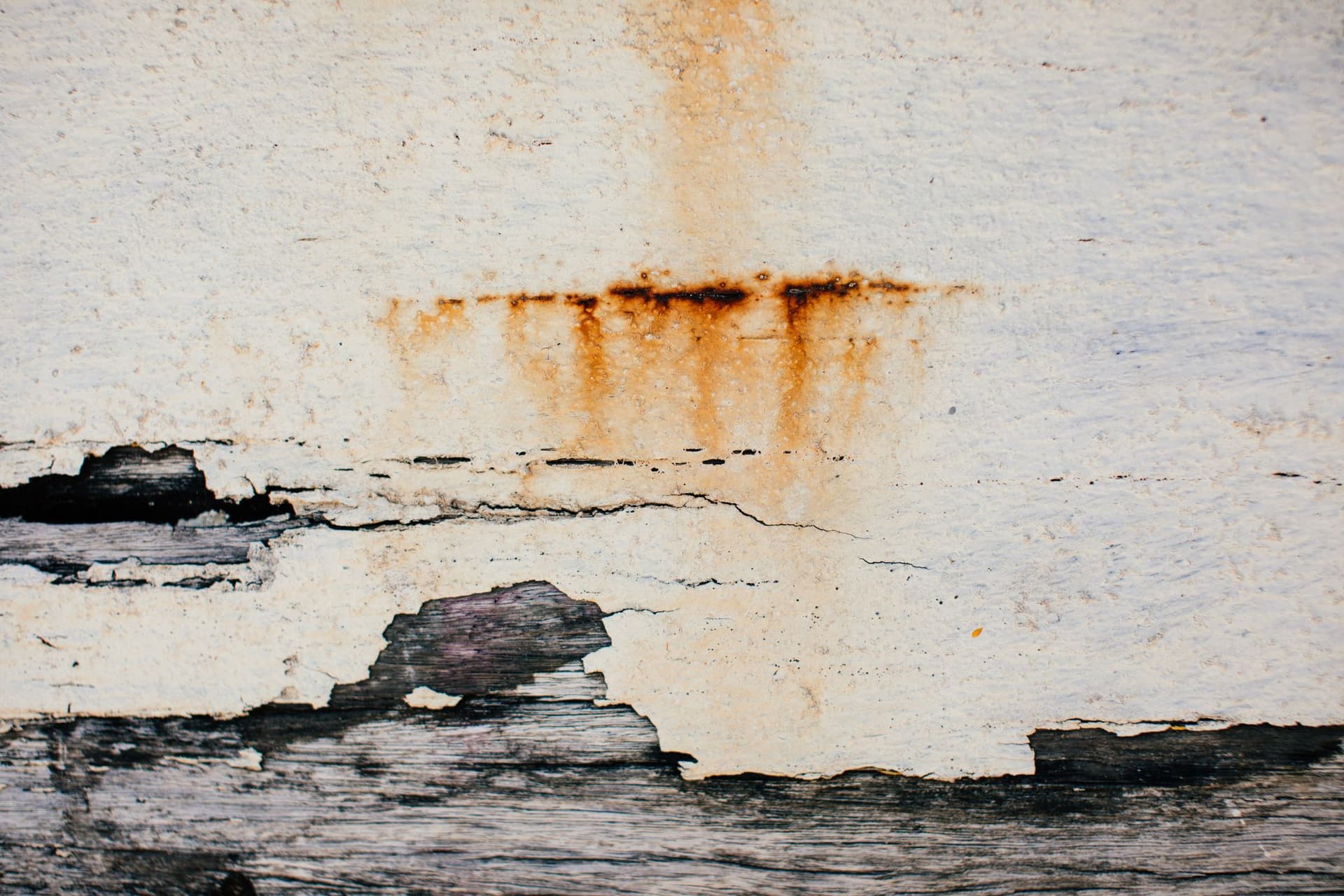
Brown spots on a ceiling are water stains — dissolved minerals and tannins left behind after water reached the drywall and evaporated. A ring with a dry center means an old or intermittent leak; a stain that spreads and darkens means an active one. Plumbing above is the most common source, followed by the roof and HVAC condensation. Fix the source before painting, or the stain bleeds back through. Call (888) 840-6512 to reach a certified water damage restoration company in your area; the line is answered 24/7.
Written & reviewed by Marcus ReedIICRC WRT
Reviewed August 13, 2026· Next review Feb 2027
The Stain Is a Message From Above
A ceiling stain is a message from above: the color tells you how old the water is, the shape tells you what kind of leak wrote it. Reading it takes two minutes and usually points you at the source before anyone opens the ceiling.
| What you see | What it means | Urgency |
|---|---|---|
| Brown ring, dry center | Old or intermittent leak — dried between events | Investigate this week |
| Spreading stain, darkening | Active leak feeding it now | Act today |
| Yellowish patch | Slow seepage filtered through materials | Investigate this week |
| Scattered dark speckles | Condensation or surface mold, not a direct leak | Fix the ventilation |
| Stain returns after painting | Source was never fixed | Stop painting, start diagnosing |
Location Narrows the Suspect List
Bathroom, kitchen, or laundry above the stain? Plumbing leads the list: toilet wax rings, shower pans, supply-line drips, and drain joints write most of the ceiling stains in two-story homes. Run fixtures above one at a time and watch the stain to isolate the culprit.
Attic or roof directly above? Shingles, flashing, and — in winter climates — ice dams. Check the attic side with a flashlight after rain: staining on the sheathing above the ceiling stain confirms the roof path.
HVAC above? Condensate pans overflow and ducts sweat in humid months, writing stains that track along duct runs rather than pooling in circles — often around ceiling vents.
The 48-Hour Pencil Test
Outline the stain lightly in pencil and write the date beside it. Growth past the line within days — or during the next rain — separates active leaks from historical scars. Press the center gently while you're there: soft, flexing drywall means saturation, and a sagging bulge means water is pooling above the paint film. A bulging ceiling gets a bucket underneath and a small relief hole at the low point before it chooses its own moment.
Why Painting First Always Loses
Stain-blocking primer hides tannin marks beautifully — after the leak is fixed and the material is dry. Painted over an unfixed source, the stain bleeds back through in weeks while the drywall above keeps degrading and the insulation above that grows mold quietly. The correct order costs nothing extra: fix the source, verify dryness (a moisture meter turns guessing into numbers), prime, paint.
Talk to a water damage pro now
Answered 24/7 · Toll-free · answered 24/7 · no obligation
(888) 840-6512- Describe the damage & give your ZIP
- You're routed to the on-call local crew
- They quote — you decide, no obligation
When the Stain Outranks DIY
Sagging or soft drywall, stains spreading during every rain, droplets forming on the surface, or a musty smell from above — that's water damage in progress, not a paint prep issue. Wet insulation and ceiling cavities need professional drying before mold takes the ceiling from stained to contaminated.
Finding the Source, Room by Room
A bathroom above the stain. Four suspects, in the order they fail: the toilet wax ring (rock the toilet — any movement is the answer; a stain that appears after flushing confirms it), the shower or tub drain (fill the tub, pull the plug, watch the ceiling below), the shower pan or tile grout (block the drain with a test plug, fill the pan an inch, wait an hour), and the supply lines and valves (a stain that grows without anyone using the bathroom). Bathroom leaking through the ceiling goes test by test.
A kitchen or laundry above. Dishwasher supply and drain, the sink trap and disposal, the refrigerator ice-maker line, the washer hoses. Pull the appliance and look at the floor behind it; a stain that tracks to the appliance's position is the diagnosis.
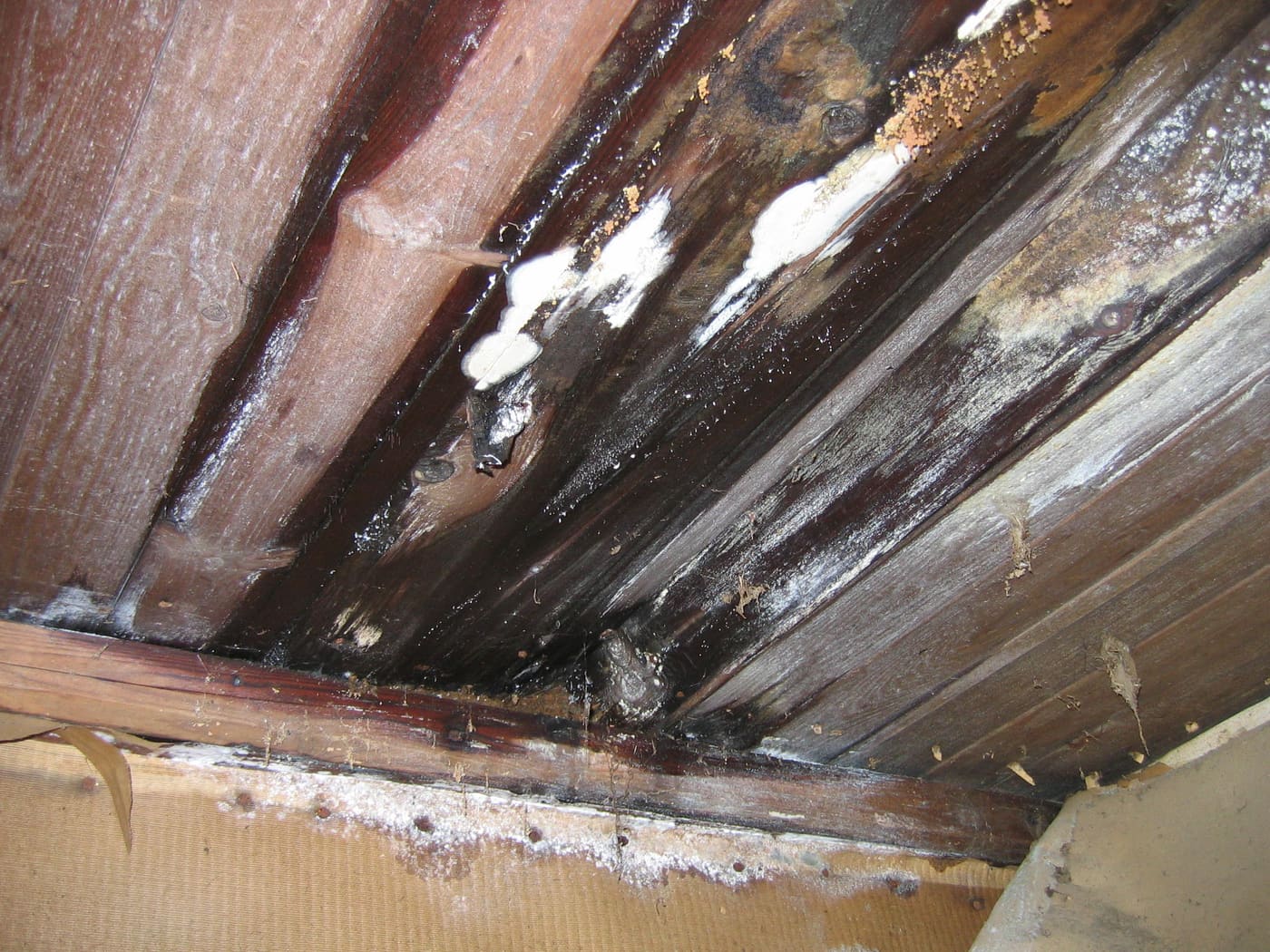
The roof or attic above. Go into the attic with a flashlight during or just after rain: water stains on the sheathing above the ceiling stain, wet insulation, drips on a nail. Follow the stain uphill on the sheathing — water runs down rafters before it drops, so the roof opening is usually above and to the side of the ceiling mark. Flashing at chimneys, vents and valleys fails before the field of the roof does. In winter, an ice dam puts water under shingles near the eave.
HVAC in the attic. A condensate drain pan that overflowed (clogged line) or ducts sweating in a humid attic. Stains that follow a straight line along a duct run, or sit under the air handler, are this. AC condensate water damage covers the drain line fix.
Nothing above but another floor. A stain under an upstairs bedroom is a pipe in the ceiling or a window above that leaks in wind-driven rain.
Repairing the Stain Once the Leak Is Fixed
| Condition of the drywall | Repair | Typical cost |
|---|---|---|
| Stained, firm, flat, dry | Stain-blocking primer, repaint the whole ceiling | $150 – $400 |
| Stained, slight texture damage | Skim, texture match, prime, paint | $250 – $600 |
| Soft, sagging or bulging | Cut out the section to the joists, replace, tape, texture, paint | $500 – $1,500 |
| Wet insulation above | Replace the insulation while the ceiling is open | $100 – $400 added |
Before any of it: the leak fixed, and a moisture reading on the ceiling back to a dry baseline. Painting a ceiling that is still wet is the stain's return ticket. Water damaged drywall repair has the technique, and ceiling repair costs the regional numbers.
Insurance
A stain from a sudden event — a supply line that let go, a storm that opened the roof, an overflow — is a covered loss including the ceiling repair, on most policies. A stain from a roof that has been failing for years, a shower pan that has seeped for months, or a leak you painted over once already is the gradual-damage argument, and it usually loses. The evidence is the source: photographs of the failed part or the storm-opened roof, dated, and a plumber's or roofer's one-line causation note. Does homeowners insurance cover water damage draws the line, and documenting the loss is what keeps the ceiling on the right side of it.
Reading to confirm what you already suspect?
Confirm it in two minutes instead — the pro on this line answers questions about YOUR situation all day: what it is, what it should cost, whether you even need service. If you want, they'll set the appointment on the same call.
Toll-free · no obligation · asking costs nothing
Frequently Asked Questions
What causes brown spots on the ceiling?
Water — reaching the drywall from above, then evaporating and leaving dissolved minerals and tannins behind as a brown deposit.
The usual sources, in order of likelihood: plumbing above the stain (bathrooms, supply lines, drains), the roof (shingles, flashing, ice dams), and HVAC (condensate pans and sweating ducts). The stain's location and shape narrow it down fast.
What do the color and shape of a ceiling stain mean?
Brown ring with a dry center: an older or intermittent leak that has dried between events. Spreading stain that darkens over days: active leak, act now. Yellowish tint: slow seepage filtered through building materials.
Scattered dark speckles rather than a ring: usually condensation or early mold, not a direct leak. A stain that reappears after painting means the source was never fixed.
Are brown spots on the ceiling dangerous?
The stain itself is cosmetic — the risk is what it reports. Ongoing water above a ceiling degrades drywall (sagging and collapse in severe cases), wets insulation that then grows mold, and can reach wiring. A stable old stain from a fixed leak is a painting project; a growing stain is a call-someone-today project.
Why is there a brown spot on my bathroom ceiling?
If there's another bathroom or plumbing above, suspect a toilet wax ring, shower pan, or supply-line drip — the most common ceiling stains in multi-story homes appear under bathrooms.
If nothing is above but the roof, check attic-side: vent-pipe flashing around the bathroom exhaust stack is a frequent roof-side culprit. Condensation from poor exhaust ventilation causes speckled patches rather than rings.
Can I just paint over a ceiling water stain?
Only after the source is fixed and the material verified dry — otherwise the stain bleeds through the new paint in weeks and the real problem keeps working.
The correct order: fix the leak, confirm dryness (a moisture meter beats guessing), prime with a stain-blocking primer, then paint. Painting first is how a $10 stain becomes a recurring decoration.
Who do I call right now for water damage?
Call (888) 840-6512. The line is answered 24 hours a day, seven days a week, and connects you with an IICRC-certified water damage restoration company that serves your area. Describe what you can see — where the water is coming from, how long it has been there, and whether it smells — the more specific you are, the faster the right company is on the line.
If the source is a pipe or an appliance, shut the main water valve first. Have four things ready and the call goes quickly: the address, when the water started, what is wet now, and whether you have filed an insurance claim.
Need it handled now?
Ceiling Leak Repair — 24/7 Certified Crews
Stain spreading, sagging, or dripping? Certified crews find the source and dry the cavity before mold does.
Sources
- EPA — Mold Cleanup in Your Home(retrieved 2026-08-13)
- IICRC S500 — Water Damage Restoration(retrieved 2026-08-13)
Methodology: How we source and verify data · Report an error
Disclaimer: HearthDry is an independent educational resource. This article is for informational purposes only and does not constitute professional, legal, or insurance advice. Consult licensed professionals before making decisions about your property or insurance claims.
Professional Equipment
Turn 'Is It Wet?' Into a Number
A moisture meter tells you whether that stain is an old scar or an active problem, and a thermal camera maps how far water traveled inside the ceiling before you cut a single hole.
Affiliate link — HearthDry earns a commission from Sylvane via CJ at no extra cost to you
Free 2-day shipping
Amazon Prime members pay no shipping on restoration equipment
Dehumidifiers, air movers, and moisture meters qualify for free Prime delivery — bulk items that otherwise cost $15–$40 to ship.
Affiliate link — HearthDry earns a bounty if you sign up; costs you nothing extra.
Equipment
What each machine actually does
Removes the moisture the structure is still giving off — the machine that decides how long drying takes
See the picks →Moves air across wet surfaces so the dehumidifier has something to take out of the air
See the picks →Finds water behind walls and under floors, and tells you when a material is actually dry
See the picks →Alerts you the moment a leak starts — the cheapest thing on this list and the only preventive one
See the picks →Those pages carry affiliate links. As an Amazon Associate, HearthDry earns from qualifying purchases; it costs you nothing extra.
Our Amazon storefront →Advertisement
