
Quick answer
After water damage, carpet can often be saved but the pad usually cannot. Pad is open-cell foam that holds several times its weight in water and costs less to replace than to dry reliably. Standard practice is to discard the pad, dry the carpet and subfloor, then install new pad. Category 2 or 3 water means the carpet goes too. Call (888) 840-6512 to reach a certified water damage restoration company in your area; the line is answered 24/7.
Written & reviewed by Marcus ReedIICRC WRT
Reviewed July 2, 2026· Next review Jan 2027
Three Layers, Three Different Answers
Wet flooring is not one decision. Carpet, the pad beneath it, and the subfloor beneath that are different materials with different absorbency, and each gets judged separately. A crew that says "the carpet has to go" without distinguishing the layers is not assessing, they are guessing.
The two variables that decide everything: which category of water it was, and how many hours it sat.
The Pad Is Almost Always the Casualty
Homeowners fight to save the carpet and rarely think about the pad — which is backwards, because the pad is the layer that is nearly always unsalvageable.
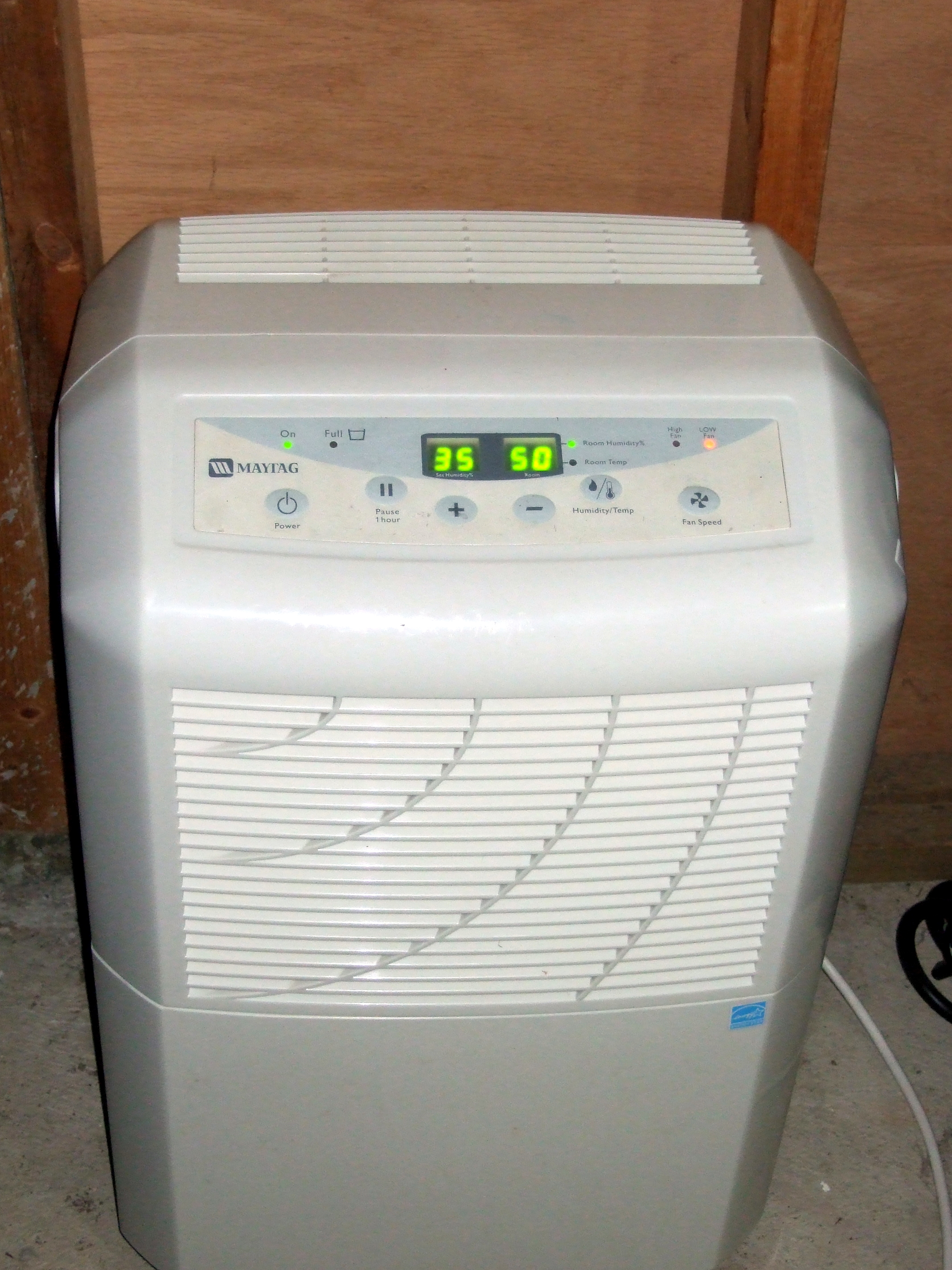
Bonded urethane pad, the common type, can hold up to 600% of its own weight in water, and it takes three to five times longer to dry than the carpet face fibre above it. Leaving it in place means a saturated sponge under a dry-looking surface, with growth beginning underneath while the room looks fine.
Pad replacement is cheap and pad drying is slow, so in practice the pad comes out on almost every real water loss. That is standard practice rather than a written rule, but the arithmetic is hard to argue with: $0.75–$1.75 per square foot installed against days of extra drying and the risk of doing it all again.
By Category
| Category 1 (clean) | Category 2 (grey) | Category 3 (black) | |
|---|---|---|---|
| Carpet | Usually salvageable with professional extraction and drying started within 24–48 hrs | Salvageable if exposure is under 48 hrs, with cleaning and antimicrobial treatment | Removed and discarded |
| Pad | Almost always replaced | Always replaced | Removed and discarded |
| Subfloor | Usually dried in place | Usually dried, sometimes removed | Porous subfloor removed |
Two lines to note. Category 2 water degrades to Category 3 after roughly 48 hours as bacteria multiply — so a greywater loss left over a weekend stops being a cleanable loss and becomes a removal job. And in Category 3 there is no salvage discussion: sewage and floodwater carry pathogens into porous material, and the sewage cleanup protocol is removal.
The category guide covers how the classification is made.
Subfloor: Plywood, OSB and Slab Behave Differently
Plywood dries reasonably well and usually stays, unless it has delaminated — layers separating — in which case it is finished.
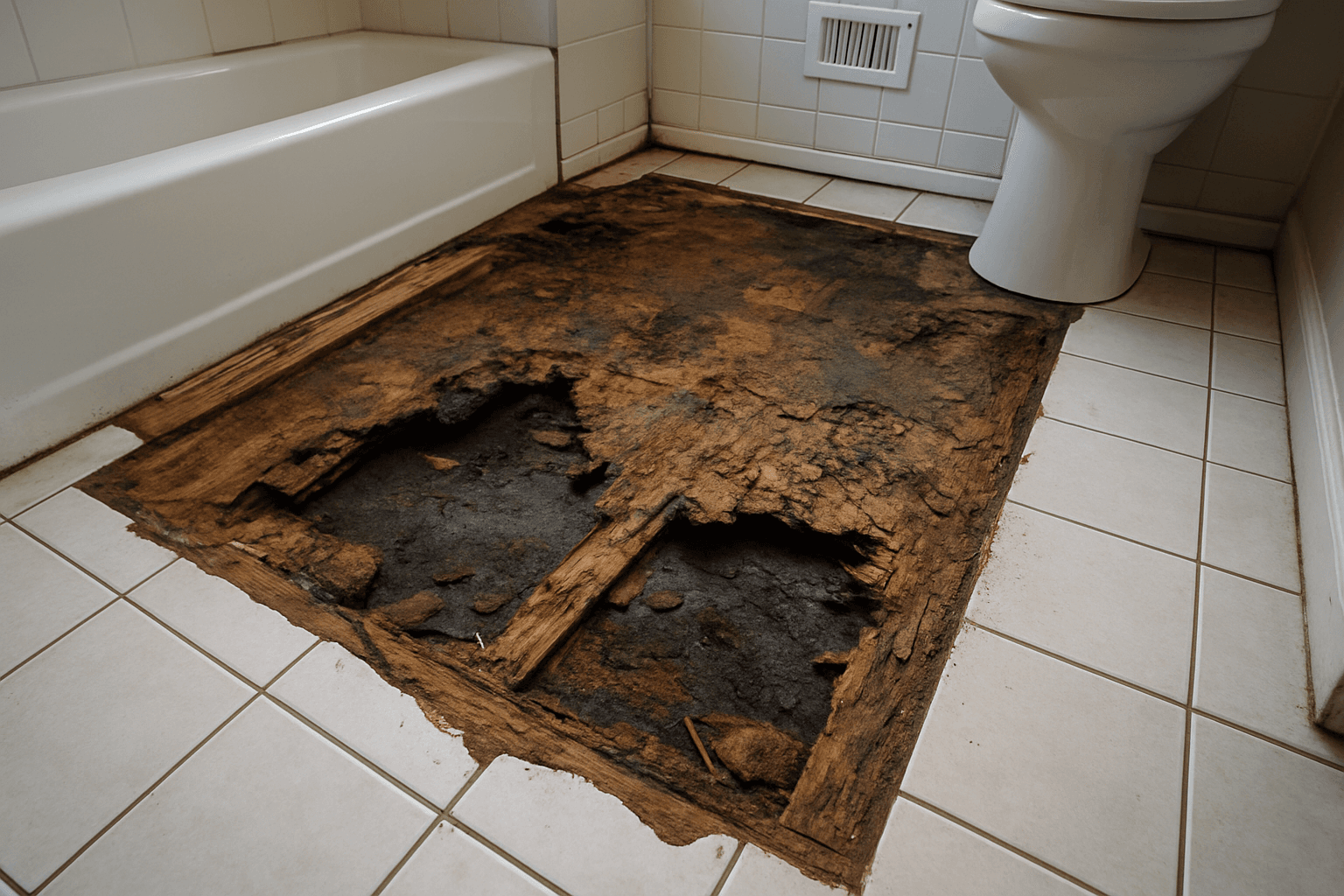
OSB (oriented strand board) is far less forgiving. It swells, the swelling is largely permanent, and once the edges have puffed and crumbled, drying will not bring it back. OSB is the subfloor most likely to be replaced.
Concrete slab does not rot, but it holds enormous amounts of water and releases it slowly. This is Class 4 drying, and the risk is sealing new flooring over a slab still emitting moisture — the new floor then fails. Slabs need a moisture test before anything goes back down, not a guess.
Talk to a water damage pro now
Answered 24/7 · Toll-free · answered 24/7 · no obligation
(888) 840-6512- Describe the damage & give your ZIP
- You're routed to the on-call local crew
- They quote — you decide, no obligation
"Floating" the Carpet — and Why It Is Often the Wrong Call
You may see a crew lift a corner of the carpet, slide an air mover underneath and inflate it like a balloon. This is in-place drying, and it can work — under specific conditions.
It is reasonable when the water was clean Category 1, response was immediate, the pad is genuinely being addressed, and readings confirm the subfloor beneath is drying. It is used badly when it becomes a way to avoid pulling the pad. Air blown between carpet and pad dries the carpet, and the saturated pad underneath keeps holding water.
The test is simple and you can ask it directly: what is the moisture reading of the pad and the subfloor, not the carpet?
What It Costs
| Item | Typical cost |
|---|---|
| Carpet pad, installed | $0.75 – $1.75 per sq ft |
| Pad replacement in a restoration scope | $0.50 – $1.50 per sq ft |
| Carpet and pad, full replacement | $3 – $11 per sq ft installed |
| Professional carpet cleaning | $0.25 – $0.50 per sq ft |
| Water extraction, per sq ft line item | $3 – $7 per sq ft |
| Water damage extraction and restoration | $450 – $2,000 (up to $3,000 for a 250 sq ft room needing new pad) |
Worth doing the arithmetic before fighting to save a carpet. On a 300 square foot room, new pad is roughly $225–$525. If saving the carpet adds two days of equipment at $150–$300 per day, and the carpet is ten years old, replacement is often both cheaper and better.
What to Ask Before Anyone Cuts
- 1What category is this water, and when did it start?
- 2What are the moisture readings for the pad and the subfloor — not the carpet?
- 3Is the pad coming out? If not, why not?
- 4What is the dry standard, and will I see daily readings?
- 5If you're floating the carpet, what tells us the subfloor underneath is drying?
Bottom Line
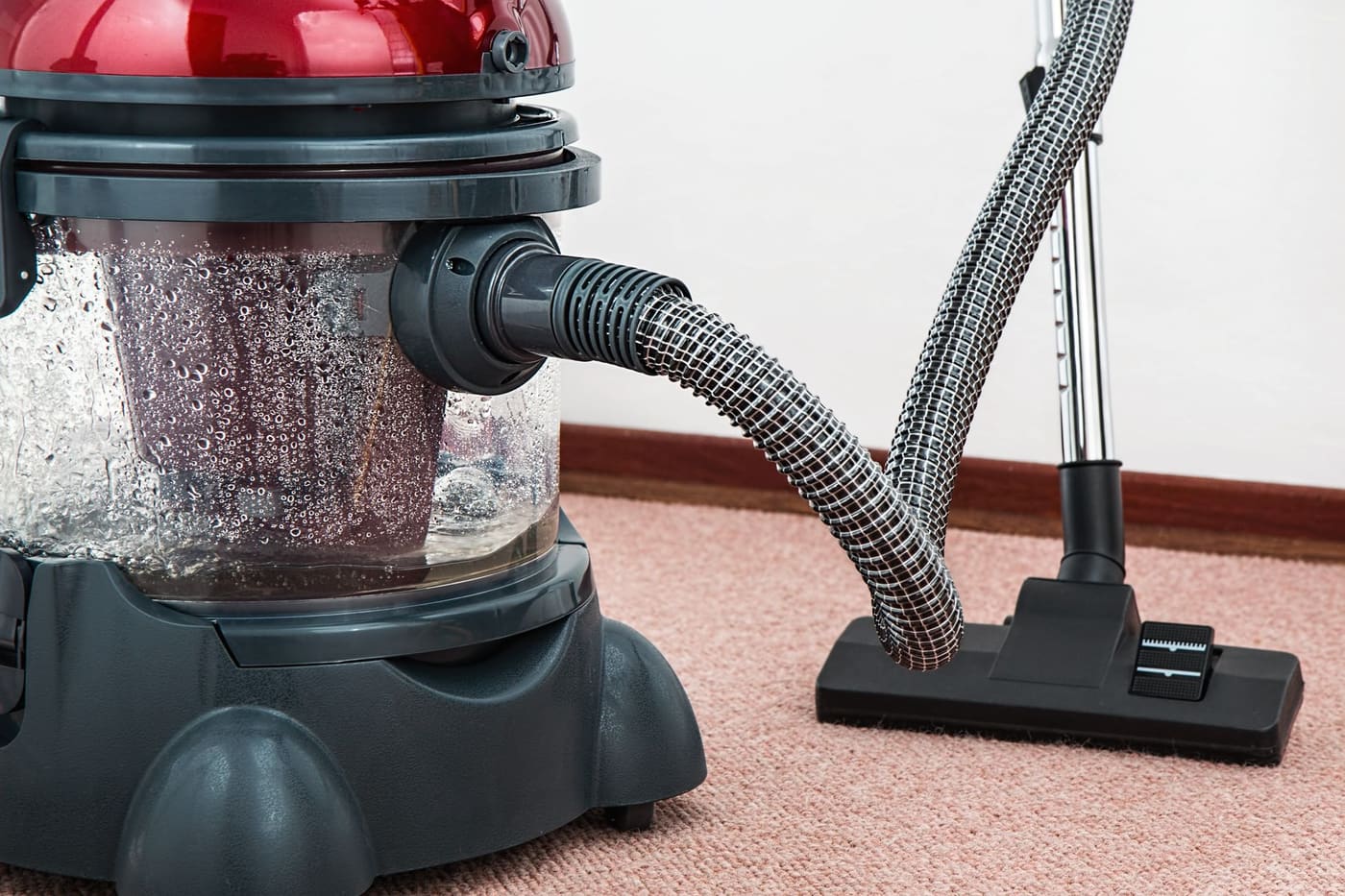
The pad goes in almost every case, the carpet is usually salvageable only in clean water caught within a day or two, and Category 3 ends the discussion for both. Judge the subfloor by material — OSB rarely survives, plywood usually does, slabs need a moisture test before new flooring goes down. And whenever a crew floats the carpet, ask what the pad underneath is reading.
Reading to confirm what you already suspect?
Confirm it in two minutes instead — the pro on this line answers questions about YOUR situation all day: what it is, what it should cost, whether you even need service. If you want, they'll set the appointment on the same call.
Toll-free · no obligation · asking costs nothing
Frequently Asked Questions
What should homeowners know about carpet, pad, and subfloor — save or replace after water damage??
Category and duration determine whether carpet survives water damage. Consult an IICRC-certified restoration professional for site-specific assessment.
Does insurance cover this type of water damage?
Coverage depends on whether the event was sudden and accidental vs gradual. Document everything and review your policy exclusions.
When should I call a professional?
Call immediately if water affects multiple rooms, involves Category 2 or 3 water, or drying cannot begin within 24 hours.
How does IICRC S500 apply?
IICRC S500 defines industry-standard inspection, extraction, drying, and documentation requirements that insurers expect.
Where can I find local restoration pros?
Use HearthDry's location finder to connect with IICRC-certified restoration companies in your area.
Who do I call right now for water damage?
Call (888) 840-6512. The line is answered 24 hours a day, seven days a week, and connects you with an IICRC-certified water damage restoration company that serves your area. Describe what you can see — where the water is coming from, how long it has been there, and whether it smells — the more specific you are, the faster the right company is on the line.
If the source is a pipe or an appliance, shut the main water valve first. Have four things ready and the call goes quickly: the address, when the water started, what is wet now, and whether you have filed an insurance claim.
Still not sure which of these is your situation? (888) 840-6512 · toll-free · answered 24/7
Sources
- IICRC S500 — Water Damage Restoration(retrieved 2026-07-02)
- EPA — Mold and Water Cleanup Guidance(retrieved 2026-07-02)
Methodology: How we source and verify data · Report an error
Disclaimer: HearthDry is an independent educational resource. This article is for informational purposes only and does not constitute professional, legal, or insurance advice. Consult licensed professionals before making decisions about your property or insurance claims.
Professional Equipment
Equipment That Saves Flooring — or Confirms It Must Go
An IICRC-grade moisture meter tells you definitively whether subfloor readings are in the dry range (under 16% for wood). Pair it with a commercial dehumidifier and air movers to achieve that threshold in 48–72 hours.
Affiliate link — HearthDry earns a commission from Sylvane via CJ at no extra cost to you
Free 2-day shipping
Amazon Prime members pay no shipping on restoration equipment
Dehumidifiers, air movers, and moisture meters qualify for free Prime delivery — bulk items that otherwise cost $15–$40 to ship.
Affiliate link — HearthDry earns a bounty if you sign up; costs you nothing extra.
Equipment
What each machine actually does
Removes the moisture the structure is still giving off — the machine that decides how long drying takes
See the picks →Moves air across wet surfaces so the dehumidifier has something to take out of the air
See the picks →Finds water behind walls and under floors, and tells you when a material is actually dry
See the picks →Alerts you the moment a leak starts — the cheapest thing on this list and the only preventive one
See the picks →Those pages carry affiliate links. As an Amazon Associate, HearthDry earns from qualifying purchases; it costs you nothing extra.
Our Amazon storefront →Advertisement
