
Quick answer
Mold or a musty smell after a trip usually means the house sat humid and closed up, often with the AC off or set too high in a hot, humid climate, or that a leak ran while nobody was home. Check under sinks, around the water heater, the AC drain pan, toilets and the washer for water, and measure humidity with a hygrometer. EPA recommends keeping indoor humidity below 60%. Small mold on hard surfaces can be cleaned; mold from a leak that soaked drywall or carpet needs professional drying and removal. Call (715) 602-1962 to reach a certified mold remediation company in your area; the line is answered 24/7.
Enter your 5-digit ZIP when asked. The line goes quiet for about half a minute while it connects — that is normal, stay on. If it does not connect, call once more: companies taking calls change minute to minute.

Written & reviewed by Marcus ReedIICRC WRT
Reviewed November 4, 2026· Next review May 2027
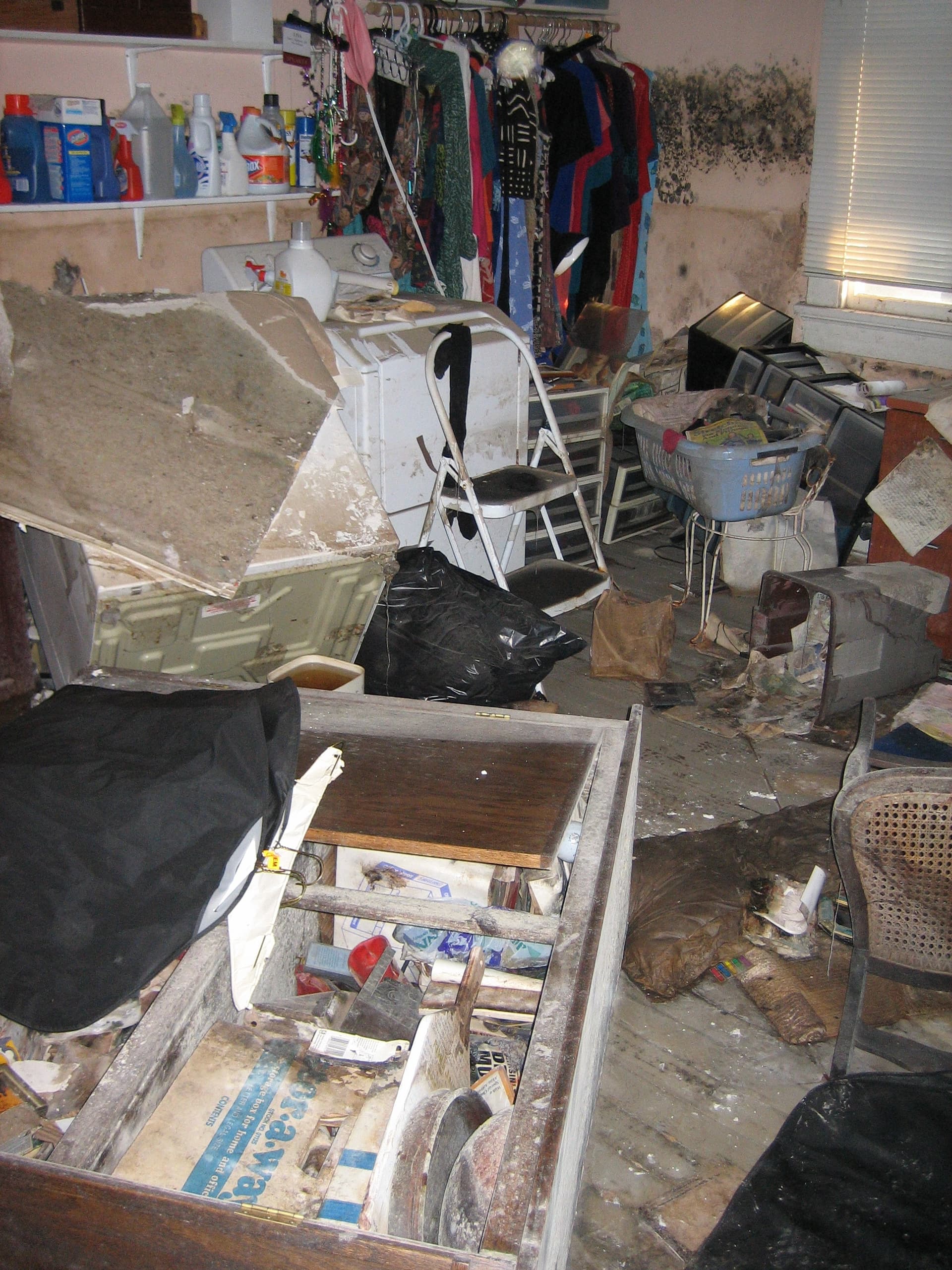
Coming home to a musty smell, or to spots on walls, shoes or furniture, is common after a summer trip in humid climates. The house sat closed, the air sat still, and either the humidity climbed or water leaked where nobody could see it.
First, Look for a Leak
A leak that ran for days causes far more damage than humidity alone. Check:
- Under kitchen and bathroom sinks.
- Around the water heater and its pan.
- The AC air handler and its condensate pan.
- Around toilets and the washer hoses.
- Ceilings under bathrooms.
If you find water, see what to do in the first 60 minutes of water damage.
Then Measure Humidity
A hygrometer tells you how humid the air is. EPA recommends keeping indoor humidity below 60%, ideally 30% to 50%. A closed house in a humid climate with the AC off can climb well past that in days.
Dry It Out
- 1Run the AC with doors and windows closed, or a dehumidifier in the worst rooms.
- 2Open closets and cabinets so air reaches inside.
- 3Wash or dry fabrics that smell.
- 4Clean small spots on hard surfaces with detergent and water.
per job, remediation scope
- ContainedUnder about 10 sq ft
- One roomContainment and HEPA
- AtticSheathing and rafters
- BasementFinish level decides it
- Several roomsOr a crawl space
- Whole houseOr the air handler
National ranges. The written scope after an inspection sets the real number.
The mold clock on wet material
- Hour 0Water stopsShut the supply and start getting water out. Drying begins here.
- About 24 hSpores germinateMold spores start growing on wet drywall, carpet pad and wood.
- 48–72 hVisible coloniesGrowth you can see and smell. Drying becomes a mold job.
 Serving US homesCertified US companiesCall nowLine answered 24/7

Handle Mold After a Trip
- 1Look for water firstSinks, water heater, AC pan, toilets, washer.
- 2Measure humidityA hygrometer; under 60% is the target.
- 3Run the AC or a dehumidifierDoors and windows closed.
- 4Clean small spotsDetergent and water on hard surfaces.
- 5Call for leaks or large areasSoaked materials need drying.
Talk to a water damage pro now
Answered 24/7 · Toll-free · no obligation
(715) 602-1962- Enter your ZIP when asked
- Stay on through the short quiet while it connects
- A local certified company explains the job and price
When to Call
- Water soaked drywall, carpet or a subfloor.
- Mold covers more than about 10 square feet, the EPA's suggested threshold for professional help.
- The smell persists after the humidity is down, which suggests hidden growth. See signs of mold in the house.
Next Time
- Leave the AC on at a moderate setting in hot, humid climates rather than off; the Department of Energy notes programmable thermostats can raise the setting while you are away.
- Close the main water valve, or the water heater's supply, for longer trips.
- A water leak sensor near the water heater and washer gives an early warning.
The Call
Call when a leak soaked materials while you were away, or the mold is large or hidden. (715) 602-1962 is answered 24/7 and connects you to a certified mold remediation company taking calls in your ZIP; there is no charge for the referral. Enter your 5-digit ZIP, and stay on through about half a minute of quiet while it connects. If it does not connect, call once more: the companies taking calls change minute to minute.
Serving US homesCertified US companiesCall nowLine answered 24/7Mold often hides behind walls after an old leak.
Do this first
- Check under sinksAnd behind the washer and toilet.
- Look at the baseboardsWarped wood and peeling paint are signs.
- Don't just bleach itBleach won't reach mold inside drywall.
Reading to confirm what you already suspect?
Confirm it in two minutes instead — the pro on this line answers questions about YOUR situation all day: what it is, what it should cost, whether you even need service. If you want, they'll set the appointment on the same call.
Toll-free · no obligation · asking costs nothing
Frequently Asked Questions
Why does my house smell musty after vacation?
Indoor humidity climbed with the AC off or set high and the house closed, or a leak ran while you were away. Musty smell is often the first sign of mold growth.
What should I set my AC to while on vacation?
In hot, humid climates, many people keep the AC on at a moderate setting so humidity stays below 60%, rather than turning it off. A dehumidifier helps in basements.
Can I clean mold myself after a trip?
Small areas on hard surfaces, yes, with detergent and water. EPA suggests professional help for areas over about 10 square feet or mold from contaminated water.
Who do I call about mold in my home?
Call (715) 602-1962. The line is answered 24/7, and connects you with a certified mold remediation company that serves your area. A recorded prompt picks up first: key in your 5-digit ZIP code, and hold through the short silence while the call is passed to the company.
Describe what you can see — where the growth is, roughly how large an area, whether there was a leak, and whether it smells musty. If water is still leaking, shut it off at the source first.
Still not sure which of these is your situation? (715) 602-1962 · toll-free · answered 24/7
Sources
- EPA: A Brief Guide to Mold, Moisture and Your Home
- U.S. Department of Energy: programmable thermostats
Methodology: How we source and verify data · Report an error
Disclaimer: HearthDry is an independent educational resource. This article is for informational purposes only and does not constitute professional, legal, or insurance advice. Consult licensed professionals before making decisions about your property or insurance claims.
Free 2-day shipping
Amazon Prime members pay no shipping on restoration equipment
Dehumidifiers, air movers, and moisture meters qualify for free Prime delivery — bulk items that otherwise cost $15–$40 to ship.
Affiliate link — HearthDry earns a bounty if you sign up; costs you nothing extra.
Equipment
What each machine actually does
Removes the moisture the structure is still giving off — the machine that decides how long drying takes
See the picks →Moves air across wet surfaces so the dehumidifier has something to take out of the air
See the picks →Finds water behind walls and under floors, and tells you when a material is actually dry
See the picks →Alerts you the moment a leak starts; a small cost, and the one preventive item here
See the picks →Those pages carry affiliate links. As an Amazon Associate, HearthDry earns from qualifying purchases; it costs you nothing extra.
Our Amazon storefront →Advertisement
