
Quick answer
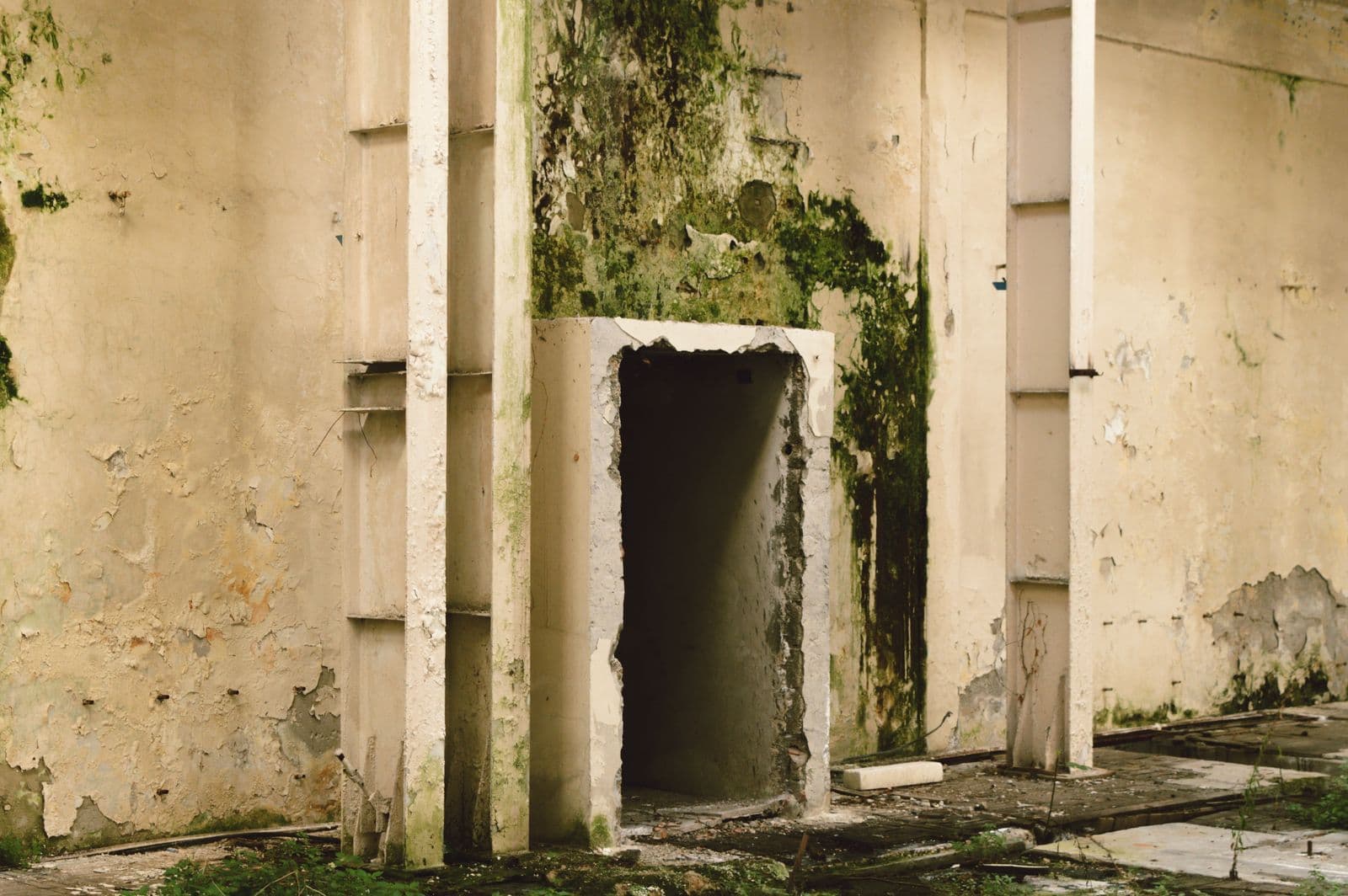
The most reliable sign of mold in a house is a persistent musty, earthy smell, especially in a basement, bathroom, closet or under a sink. Others are visible spots or fuzz on walls, ceilings or grout; stains or bubbling paint where water has leaked; condensation on windows; warped or soft materials; and allergy-like symptoms that ease when you leave the house. Mold needs moisture, so the place to look is wherever water has been. EPA advises fixing the moisture source and cleaning up mold promptly. Call (888) 840-6512 to reach a certified water damage restoration company in your area; the line is answered 24/7.
Press 1 for water damage or 2 for mold, then your 5-digit ZIP. The line goes quiet for about half a minute while it connects — that is normal, stay on. If it does not connect, call once more: companies taking calls change minute to minute.

Written & reviewed by Marcus ReedIICRC WRT
Reviewed November 4, 2026· Next review May 2027
Mold rarely announces itself with a large black patch. It starts small, often out of sight, wherever moisture lingers. The signs below are worth taking seriously in combination: a smell plus a past leak in the same room is a stronger clue than either alone.
Nine Signs
| Sign | Where it usually shows |
|---|---|
| Musty, earthy smell that stays | Basements, closets, under sinks, bathrooms |
| Small dark, green or white spots | Grout, caulk, ceilings, window frames, walls |
| Stains after a leak, even if dry now | Ceilings under bathrooms, walls under windows |
| Bubbling, peeling or cracking paint | Walls with moisture behind them |
| Warped, soft or crumbling material | Drywall, baseboards, subfloors |
| Condensation on windows and pipes | High indoor humidity |
| Water you can find: drips, damp, puddles | The source mold needs |
| Allergy-like symptoms that ease outside | Whole house or one room |
| Rust or corrosion on metal near damp areas | Basements, utility rooms |
CDC notes that people sensitive to mold may have stuffy noses, wheezing, or red or itchy eyes or skin. See black mold symptoms.
Where to Look First
- 1Follow the smell. It is strongest near the source.
- 2Anywhere water has been: past roof leaks, under sinks, around the tub and toilet, the water heater, the AC air handler.
- 3Hidden places: behind furniture on outside walls, inside closets on outside walls, under carpet near a leak.
- 4Measure humidity. EPA recommends keeping indoor humidity below 60%, ideally 30% to 50%.
If you smell mold but cannot see it, see detecting mold in walls and musty smell in the house.
Talk to a water damage pro now
Answered 24/7 · Toll-free · no obligation
(888) 840-6512- Press 1 for water damage or 2 for mold, then your ZIP
- Stay on through the short quiet while it connects
- A local certified company explains the job and price
What to Do
- Fix the moisture first. EPA's guidance is that mold cleanup without fixing the water problem fails.
- Small areas on hard surfaces can often be cleaned with detergent and water.
- Larger areas, hidden growth, or mold after a leak that soaked drywall or insulation need a professional. EPA suggests professional help for areas over about 10 square feet. See mold remediation cost.
The Call
Call when the smell or staining follows a leak, the area is large, or the mold is inside walls or the HVAC system. (888) 840-6512 is answered 24/7 and connects you to an IICRC-certified water damage restoration company taking calls in your ZIP; there is no charge for the referral. Press 1 for water damage or 2 for mold, enter your 5-digit ZIP, and stay on through about half a minute of quiet while it connects. If it does not connect, call once more: the companies taking calls change minute to minute.
Reading to confirm what you already suspect?
Confirm it in two minutes instead — the pro on this line answers questions about YOUR situation all day: what it is, what it should cost, whether you even need service. If you want, they'll set the appointment on the same call.
Toll-free · no obligation · asking costs nothing
Frequently Asked Questions
What are the first signs of mold in a house?
A musty smell that does not go away, small dark or green spots, and stains or peeling paint where water has been.
Can you have mold without seeing it?
YesMold grows inside walls, under flooring and in ducts. A musty smell with no visible growth often means it is hidden near a past or current leak.
What humidity causes mold?
EPA recommends keeping indoor humidity below 60%, ideally 30% to 50%.
When should I call a professional about mold?
EPA suggests professional help for growth over about 10 square feet, mold after a sewage or contaminated water event, or mold in the HVAC system.
Who do I call right now for water damage?
Call (888) 840-6512. The line is answered 24 hours a day, seven days a week, and connects you with an IICRC-certified water damage restoration company that serves your area. A recorded menu picks up first: choose water damage or mold, key in your 5-digit ZIP code, and hold through the short silence while the call is passed to the company.
Describe what you can see — where the water is coming from, how long it has been there, and whether it smells — the more specific you are, the faster the right company is on the line. If the source is a pipe or an appliance, shut the main water valve first. Have four things ready and the call goes quickly: the address, when the water started, what is wet now, and whether you have filed an insurance claim.
Still not sure which of these is your situation? (888) 840-6512 · toll-free · answered 24/7
Sources
Methodology: How we source and verify data · Report an error
Disclaimer: HearthDry is an independent educational resource. This article is for informational purposes only and does not constitute professional, legal, or insurance advice. Consult licensed professionals before making decisions about your property or insurance claims.
Free 2-day shipping
Amazon Prime members pay no shipping on restoration equipment
Dehumidifiers, air movers, and moisture meters qualify for free Prime delivery — bulk items that otherwise cost $15–$40 to ship.
Affiliate link — HearthDry earns a bounty if you sign up; costs you nothing extra.
Equipment
What each machine actually does
Removes the moisture the structure is still giving off — the machine that decides how long drying takes
See the picks →Moves air across wet surfaces so the dehumidifier has something to take out of the air
See the picks →Finds water behind walls and under floors, and tells you when a material is actually dry
See the picks →Alerts you the moment a leak starts; a small cost, and the one preventive item here
See the picks →Those pages carry affiliate links. As an Amazon Associate, HearthDry earns from qualifying purchases; it costs you nothing extra.
Our Amazon storefront →Advertisement
