
Quick answer
Water damage is structural when it has reached the joists, subfloor, studs or foundation and stayed long enough to weaken them. The warning signs are a ceiling that bulges or sags, a floor that feels soft or dips near a toilet or tub, tiles cracking in one area, doors that suddenly stick, new diagonal cracks from door and window corners, wood that crumbles or grows fungus, rusted fasteners or joist hangers, and a basement wall that bows inward. Leave the room under a sagging ceiling, stop the water, and have the framing dried and measured before anything is repaired. Call (864) 806-2818 to reach a certified water damage restoration company in your area; the line is answered 24/7.
Enter your 5-digit ZIP when asked. The line goes quiet for about half a minute while it connects — that is normal, stay on. If it does not connect, call once more: companies taking calls change minute to minute.
 Serving US homesCertified US companiesCall nowLine answered 24/7

Water moves fast. What you do first decides if it stays a drying job.
Do this first
- Shut off the mainNear the meter or where the line enters.
- Kill power to wet roomsFlip the breaker before you step in.
- Photograph everythingBefore you move or throw anything out.

Written & reviewed by Marcus ReedIICRC WRT
Reviewed November 13, 2026· Next review May 2027
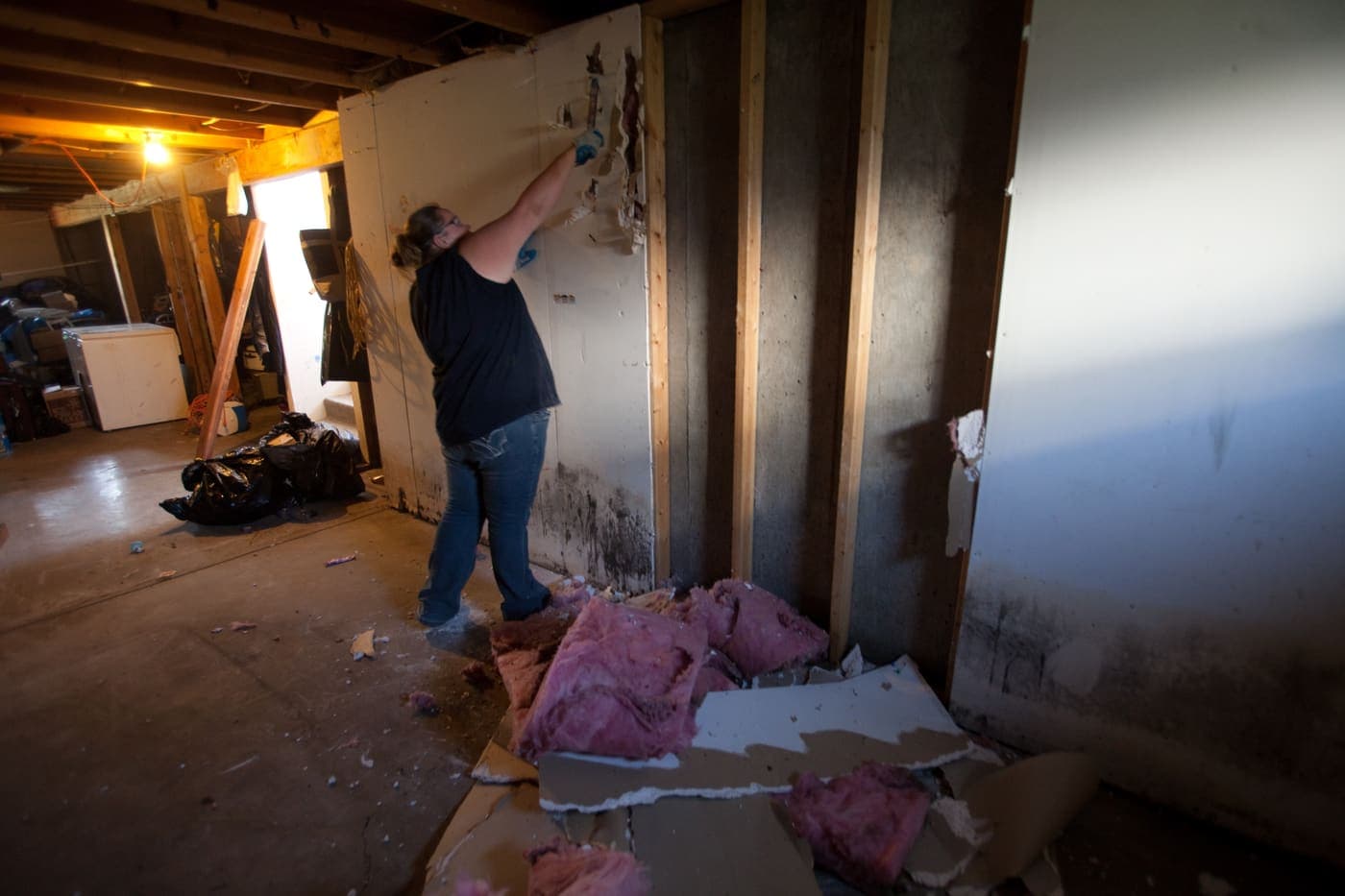
Most water damage is cosmetic and drying fixes it: stained paint, swollen baseboards, damp carpet. It becomes structural when water has reached the parts of the house that carry weight, the ceiling joists, floor joists, subfloor, studs and foundation, and stayed there long enough to weaken them. These are the signs that tell the two apart, and what each one means for who you call.
Signs That Point to Structure, Not Just Finishes
| Sign | What it usually means | Urgency |
|---|---|---|
| Ceiling bulging, sagging or holding water | Drywall is saturated and losing its grip on the joists | Leave the room now |
| Floor that feels soft, bouncy or spongy | Subfloor sheathing has swollen or begun to rot | Keep weight off it |
| Floor dipping near a toilet, tub or dishwasher | A slow leak has been soaking the subfloor and possibly a joist | Days, not weeks |
| Tiles cracking or lifting in one area | The floor under them is moving | Days |
| Doors that suddenly stick or will not latch | Framing around the opening has swelled or shifted | Days |
| New diagonal cracks from door or window corners | Movement in the wall or the framing below | Have it assessed |
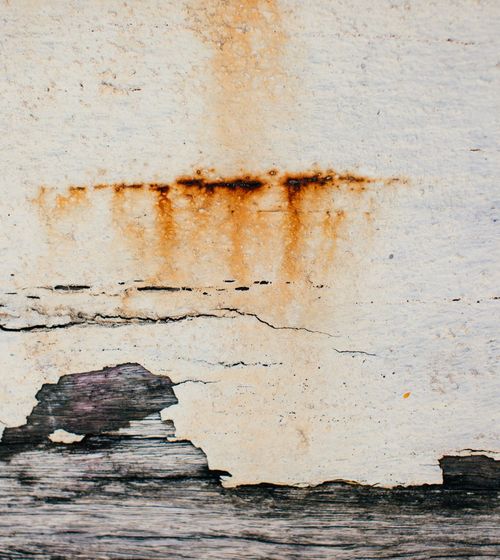
| Wood that crumbles, flakes or has fungal growth on it | Decay has started in the framing | Have it assessed |
| Rusted nails, screws or joist hangers | Long-term moisture at a connection that carries load | Have it assessed |
| Basement wall bowing inward or a new horizontal crack | Soil pressure on the foundation, often with water | Structural engineer |
One of these on its own is a reason to look closer. Two together, or any one of the first three, is a reason to stop the water and get the area dried and measured today.
Why Time Is the Deciding Factor
Framing lumber is built to tolerate getting wet and drying out. The problem is staying wet. Wood that holds a high moisture content for weeks gives decay fungi what they need, and decay is what turns a water problem into a framing repair. Engineered sheathing such as OSB and particleboard swells when saturated and does not fully recover, which is why subfloors near toilets and tubs are where structural damage most often starts.
That is also why a slow, hidden leak is often worse for the structure than a sudden burst. A burst pipe is noticed in minutes and dried in days. A wax ring that seeps a little with every flush can keep a subfloor wet for a year before the floor goes soft.
What to Do, in Order
- 1Get out from under a sagging ceiling. A wet ceiling can come down without warning and the water above it is heavy. Move people and pets out of the room, then put a bucket under the low point only if you can do it without standing beneath it.
- 2Stop the water at the source. Shut off the fixture valve or the main valve, and turn off power to the area if water has reached outlets or light fixtures.
- 3Keep weight off soft floors. Do not move heavy furniture or appliances across a floor that flexes. Walk along the walls, where joists are supported.
- 4Photograph everything before anything is moved. Wide shots, close-ups of the sag or the soft spot, and the source. Insurers decide on those photos.
- 5Have the moisture mapped. A restoration company measures moisture in the framing and sheathing, not just the surface, and dries the structure to a measured standard before anything is closed up. Read how structural drying works for what that involves.
- 6Bring in an engineer for the foundation or anything that has moved. A bowing basement wall, a horizontal foundation crack, or a joist that has visibly dropped needs a licensed structural engineer's assessment before repairs are designed.
per sq ft, mitigation only
- Category 1Clean supply water
- Category 2Grey water
- Category 3Black water
Extraction and drying only. Rebuilding drywall, floors and cabinets is priced separately.
The mold clock on wet material
- Hour 0Water stopsShut the supply and start getting water out. Drying begins here.
- About 24 hSpores germinateMold spores start growing on wet drywall, carpet pad and wood.
- 48–72 hVisible coloniesGrowth you can see and smell. Drying becomes a mold job.
Serving US homesCertified US companiesCall nowLine answered 24/7What to Do When Water Damage Looks Structural
- 1Get out from under a sagging ceilingMove people and pets out of the room.
- 2Stop the water at the sourceShut the fixture or main valve, and power to wet areas.
- 3Keep weight off soft floorsWalk along the walls.
- 4Photograph everything before anything is movedWide shots, close-ups and the source.
- 5Have the moisture mappedA restoration company measures the framing and dries it to a standard.
- 6Bring in an engineer for the foundation or anything that has movedBowing walls, horizontal cracks and dropped joists.
What the restoration company does in your home

1.Finds the water you can't see
Moisture meters and a thermal camera at baseboards, under flooring and behind drywall.
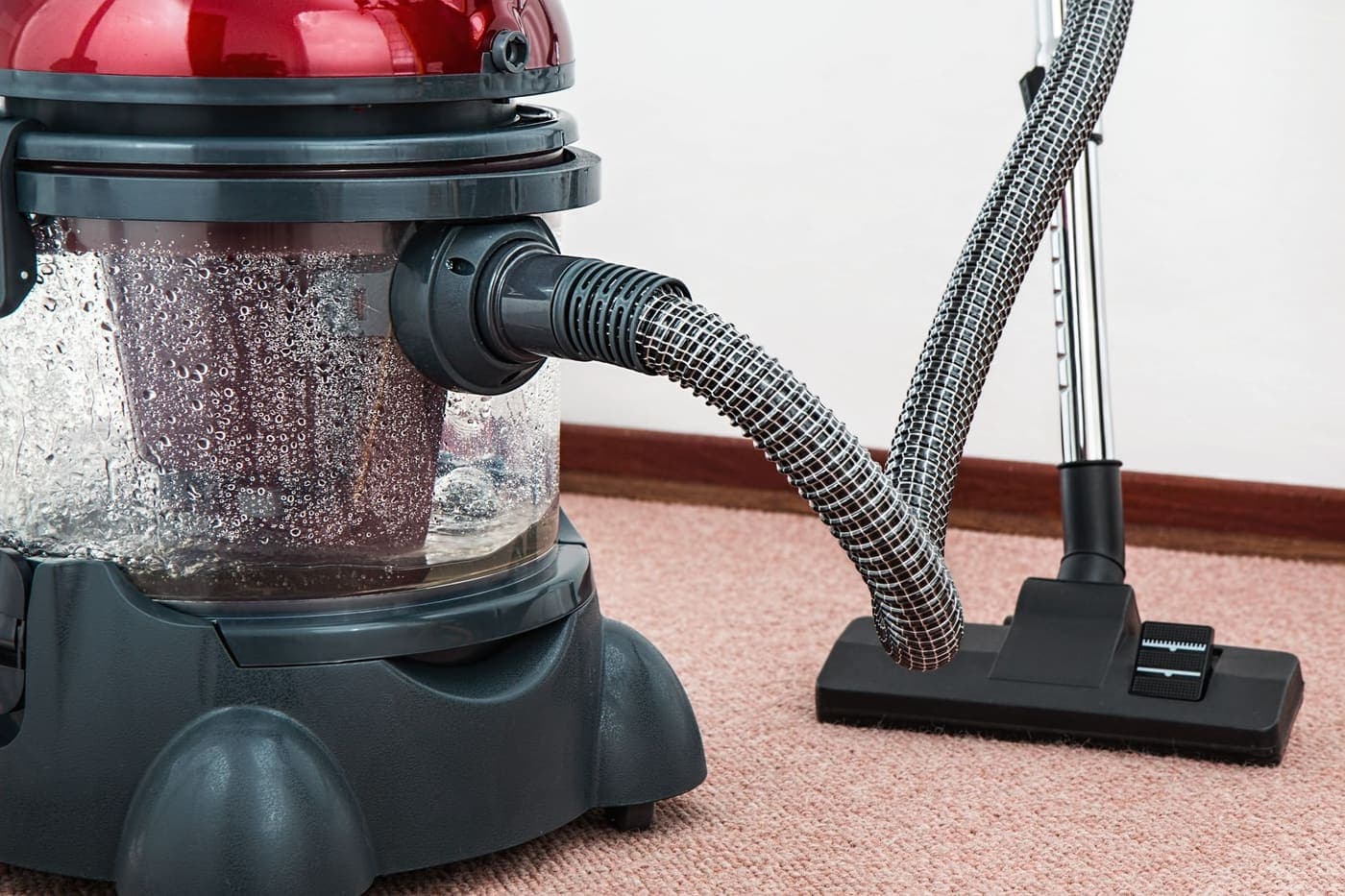
2.Pulls out the standing water
Extraction first, then anything soaked that cannot be dried is removed.
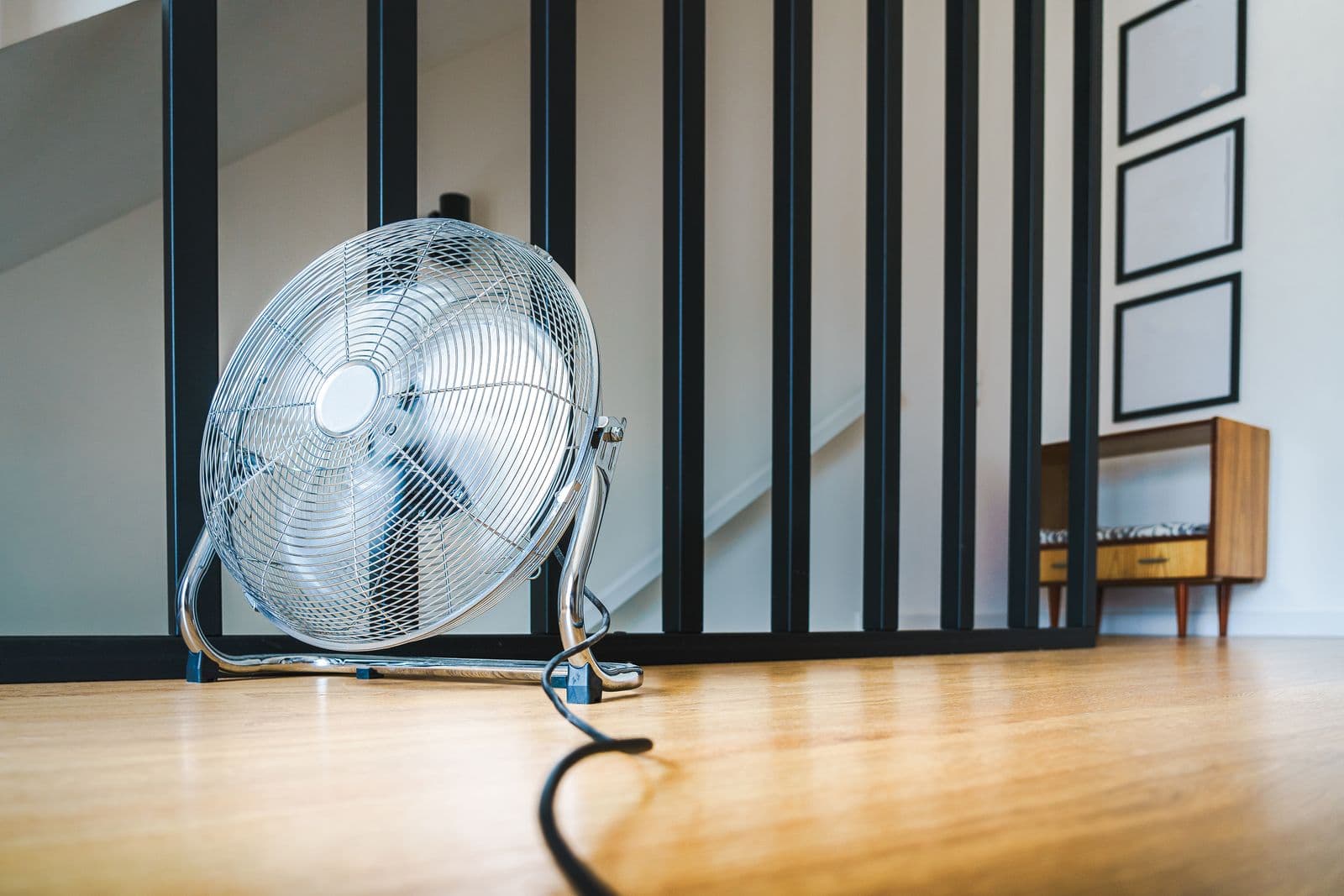
3.Dries it and logs the readings
Air movers and dehumidifiers run until the meter says dry, with a log your insurer can read.
Talk to a water damage pro now
Answered 24/7 · Toll-free · no obligation
(864) 806-2818Mold can establish within 24–48 hours of water exposure — drying started today stays a drying job.
- Enter your ZIP when asked
- Stay on through the short quiet while it connects
- A local certified company explains the job and price
Who Handles Which Part
- The plumber fixes the leak. A plumber does not dry framing.
- The water damage restoration company finds where the water went, removes what cannot be saved, and dries the structure with moisture readings that show when it is done.
- A structural engineer decides whether framing or foundation needs reinforcement or replacement, and specifies the repair.
- A licensed general contractor carries out structural repairs and rebuilds the finishes.
The order matters. Repairing framing that has not been dried traps the moisture inside, and the decay continues behind the new drywall.
Hidden Places Worth Checking
Water follows framing and gravity, so the visible stain is rarely the whole story. Check the ceiling below any bathroom, the subfloor around the toilet and tub from the basement or crawl space below if you can reach it, the sill plate where the walls meet the foundation, and the area under the dishwasher and refrigerator. Our list of hidden water damage signs in walls and floors covers the less obvious ones, and a sagging ceiling from water damage covers that emergency in detail.
When to Call
If you see any of the first three signs, or water is still entering the structure, the drying is the urgent part. (864) 806-2818 is answered 24/7 and connects you to an IICRC-certified water damage restoration company taking calls in your ZIP; there is no charge for the referral. Enter your 5-digit ZIP, and stay on through about half a minute of quiet while it connects. If it does not connect, call once more: the companies taking calls change minute to minute. The company gives you an arrival window for your address on the call, and can tell you whether what they find needs an engineer as well.
Reading to confirm what you already suspect?
Confirm it in two minutes instead — the pro on this line answers questions about YOUR situation all day: what it is, what it should cost, whether you even need service. If you want, they'll set the appointment on the same call.
Toll-free · no obligation · asking costs nothing
Frequently Asked Questions
How do I know if water damage is structural?
Look for movement or softness, not stains: a sagging ceiling, a floor that flexes or dips, doors that suddenly stick, new cracks from door and window corners, crumbling wood, rusted connectors, or a bowing basement wall. Any of those means water has reached the framing or foundation.
Is a sagging ceiling from water dangerous?
YesA saturated drywall ceiling can fall without warning, and the water held above it is heavy.
Get everyone out of the room before doing anything else, then stop the water at its source.
Can wet floor joists be dried, or do they need replacing?
Framing that is dried promptly to a measured moisture standard is usually kept. Wood that stayed wet long enough to decay, and swollen OSB or particleboard subfloor, is typically replaced. A restoration company measures the moisture, and a structural engineer decides on anything that has lost strength.
Who do I call for structural water damage?
A plumber stops the leak, a water damage restoration company dries the structure and documents it with moisture readings, a structural engineer assesses foundation or framing that has moved, and a licensed contractor carries out the repair.
Who do I call right now for water damage?
Call (864) 806-2818. The line is answered 24/7, and connects you with an IICRC-certified water damage restoration company that serves your area. A recorded prompt picks up first: key in your 5-digit ZIP code, and hold through the short silence while the call is passed to the company.
Describe what you can see — where the water is coming from, how long it has been there, and whether it smells — the more specific you are, the faster the right company is on the line. If the source is a pipe or an appliance, shut the main water valve first. Have four things ready and the call goes quickly: the address, when the water started, what is wet now, and whether you have filed an insurance claim.
Still not sure which of these is your situation? (864) 806-2818 · toll-free · answered 24/7
Sources
Methodology: How we source and verify data · Report an error
Disclaimer: HearthDry is an independent educational resource. This article is for informational purposes only and does not constitute professional, legal, or insurance advice. Consult licensed professionals before making decisions about your property or insurance claims.