

Quick answer
Water dripping from a ceiling vent is diagnosed by timing: drips while the AC runs mean condensate — a clogged drain line (wet-vac the outside stub, vinegar-flush, $0–$250) or sweating uninsulated ducts; drips during rain mean roof water entering at the vent's roof penetration and riding the ductwork ($150–$500 flashing fix); drips regardless of both mean a pipe near the duct run. Check the ceiling around the register with a moisture meter either way. Call (888) 840-6512 to reach a certified water damage restoration company in your area; the line is answered 24/7.
Written & reviewed by Marcus ReedIICRC WRT
Reviewed August 19, 2026· Next review Feb 2027
The Vent Is the Messenger, Not the Problem
A ceiling vent dripping water is delivering someone else's leak: the register is simply the lowest opening in a ceiling cavity that ductwork happens to cross. Three suspects use that channel — the AC's condensate system, the roof, and nearby plumbing — and one observation separates them: when does it drip?
| Drips... | Source | Fix range |
|---|---|---|
| While the AC runs | condensate line / duct sweat | $0 – $250 |
| During or after rain | roof penetration flashing | $150 – $500 |
| Anytime, any weather | pipe near the duct run | plumber diagnostic |
AC-Correlated: The Condensate System
A running air conditioner wrings gallons of water a day out of humid air, all of it draining through one narrow PVC line that algae loves. When that line clogs, the drip pan fills and overflows into exactly the places you can't see — until it finds a register.

The fix is satisfyingly DIY: find the condensate exit stub outside near the condenser (in humid weather with the AC running, it should drip steadily — silence means clog). Seal a wet/dry vacuum to the stub for sixty seconds; the clog usually arrives with a sound effect. Then flush a cup of distilled vinegar down the indoor access tee, and repeat quarterly for $5-a-year prevention. An HVAC visit for the same job runs $100–$250. While you're at the air handler: standing water or rust in the drip pan means this has been happening quietly for a while, and a float switch ($20 part) that kills the AC when the pan fills is the upgrade that prevents the ceiling version of this story. The full loss scenario — pans, ceilings, and what insurance thinks of gradual condensate damage — is covered in the AC condensate water damage guide.
The other AC cause is sweat, not overflow: cold supply air chills the register and the last feet of duct below the dew point of a humid attic, and the assembly condenses like a cold can in July. Even drips during humid weather with a clear drain line point here. Fixes: seal the duct-to-register connection, insulate those last feet of attic duct, and treat chronic attic humidity as its own project.
Rain-Correlated: The Roof Is Borrowing Your Ducts
Roof penetrations — vent stacks, exhaust caps — are the roof's weakest waterproofing, sealed by rubber boots and flashing that age faster than shingles. Water entering a failed boot follows the duct downhill and exits at the register, framing the innocent vent for the roof's crime. Binoculars from the ground often show the cracked boot or lifted flashing; a roofer repairs either for $150–$500, more if the decking below rotted. Recurring ceiling stains near vents after storms belong to the same investigation as the roof leak ceiling guide.
Talk to a water damage pro now
Answered 24/7 · Toll-free · answered 24/7 · no obligation
(888) 840-6512Mold can establish within 24–48 hours of water exposure — drying started today stays a drying job.
- Describe the damage & give your ZIP
- You're routed to the on-call local crew
- They quote — you decide, no obligation
Constant: A Pipe Using the Same Highway
Drips indifferent to weather and AC mean pressurized plumbing near the duct run — and pressurized leaks only grow. Treat it with the urgency of any supply leak: if it accelerates, shut the main and get a plumber the same day. Water dripping from a light fixture instead of a vent changes the risk profile entirely — electrical-first sequence there.
Whichever It Was: The Ceiling Around the Register
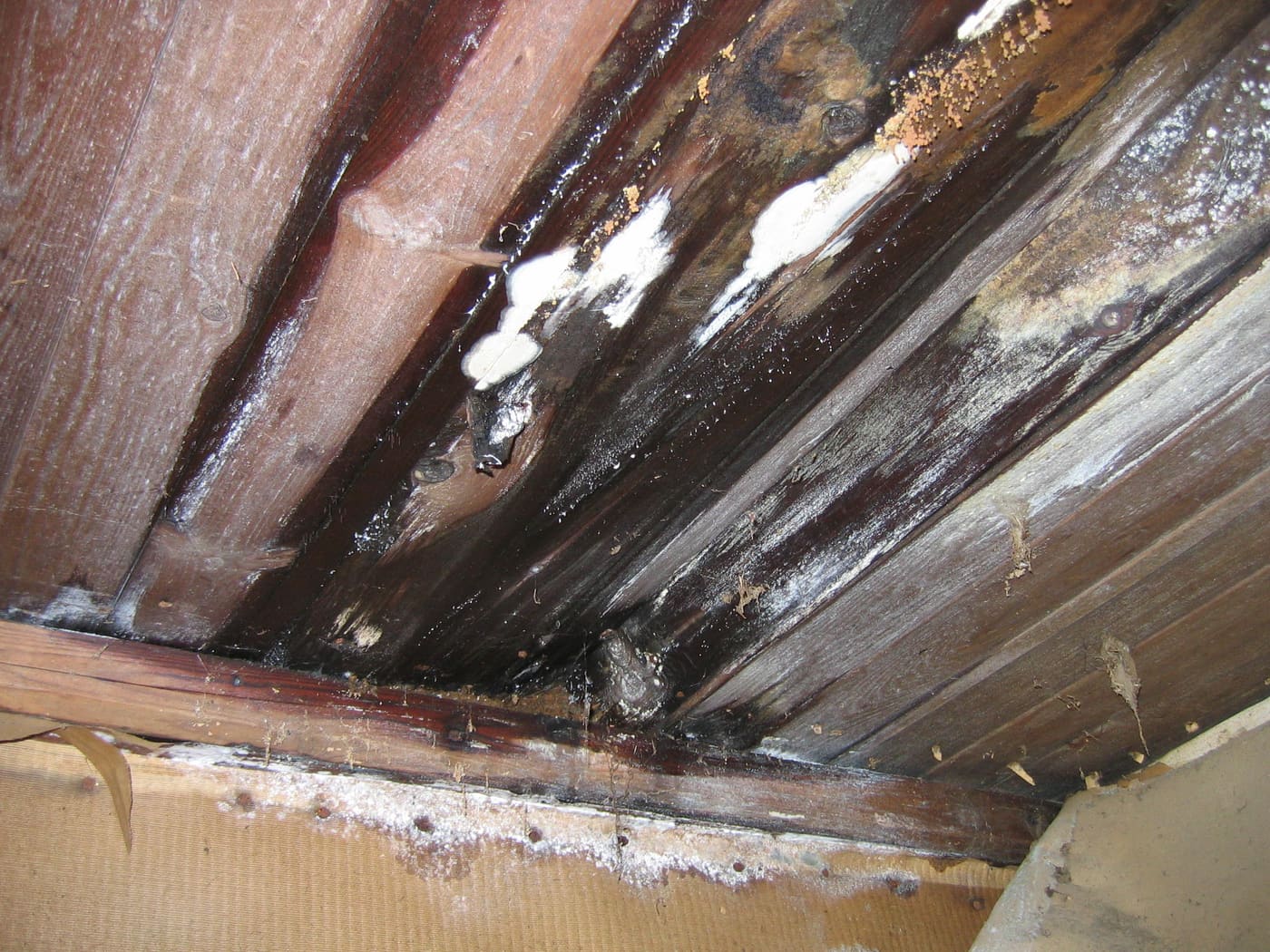
Vent drips are chronic by nature — they ran during every AC cycle or every storm before the day you noticed. Meter the drywall around the register: wet readings or spreading stains mean the cavity needs drying (and soaked duct insulation above needs replacing — wet insulation on a cold duct is a condensation machine). Then the repair is a standard ceiling repair job: stain-block and paint if it metered dry, cut-dry-patch if it didn't.
Bottom Line
Log the timing: AC = condensate (vacuum the stub, vinegar the line), rain = roof boot ($150–$500), always = pipe (urgency). Add the float switch, insulate the sweating duct, and meter the ceiling before painting over the evidence — the vent was only ever the messenger.

Reading to confirm what you already suspect?
Confirm it in two minutes instead — the pro on this line answers questions about YOUR situation all day: what it is, what it should cost, whether you even need service. If you want, they'll set the appointment on the same call.
Toll-free · no obligation · asking costs nothing
Frequently Asked Questions
Why is water dripping from my ceiling vent?
Three causes, told apart by timing: if it drips while the AC runs, it's condensate — a clogged condensate drain line backing the drip pan up, or uninsulated ducts sweating in a humid attic; if it drips during or after rain, it's roof water entering near the vent's roof penetration and riding the ductwork down; if it drips regardless of weather and AC, a pipe near the duct run is leaking and the vent is just the lowest exit.
How do I fix a clogged AC condensate line?
Kill the AC, find the condensate line's exterior exit (a PVC stub near the outdoor unit), and pull the clog with a wet/dry vacuum sealed to the stub for 60 seconds.
Then flush the line from the indoor access tee with a cup of distilled vinegar. Most clogs are algae; a $5 bottle of vinegar quarterly prevents the repeat. HVAC visit for the same job: $100–$250.
Why do my ceiling vents sweat in summer?
Cold supply air chilling the metal register and duct below the dew point of humid attic air — the duct becomes a cold drink can on a summer day.
Fixes: seal the duct-to-register connection, insulate the last few feet of duct in the attic, and manage attic humidity. Sweating is a moisture drip fed by physics, not a leak — but it wets drywall just the same.
Is a dripping vent during rain a roof leak?
Almost alwaysRoof penetrations — vent stacks, exhaust caps, attic vents — are the roof's weakest waterproofing, and water entering there follows the ductwork to the register and drips out the vent.
The vent is innocent; the flashing or boot around the roof penetration is the repair ($150–$500 for a boot/flashing fix, more if decking rotted).
Who do I call for water coming from a ceiling vent?
By timing: AC-correlated drips = HVAC tech ($100–$300 for line clearing or pan repair); rain-correlated = roofer for the penetration flashing; constant = plumber for the pipe near the duct.
If the ceiling around the vent has stained, sagged, or metered wet, add the drying step before repainting — sealed-in moisture near ductwork spreads condensation problems.
Who do I call right now for water damage?
Call (888) 840-6512. The line is answered 24 hours a day, seven days a week, and connects you with an IICRC-certified water damage restoration company that serves your area. Describe what you can see — where the water is coming from, how long it has been there, and whether it smells — the more specific you are, the faster the right company is on the line.
If the source is a pipe or an appliance, shut the main water valve first. Have four things ready and the call goes quickly: the address, when the water started, what is wet now, and whether you have filed an insurance claim.
Still not sure which of these is your situation? (888) 840-6512 · toll-free · answered 24/7
Sources
- US DOE — Maintaining Your Air Conditioner
- IICRC S500 Standard for Professional Water Damage Restoration
Methodology: How we source and verify data · Report an error
Disclaimer: HearthDry is an independent educational resource. This article is for informational purposes only and does not constitute professional, legal, or insurance advice. Consult licensed professionals before making decisions about your property or insurance claims.
Watch
Source: Silver Cymbal — YouTube
Free 2-day shipping
Amazon Prime members pay no shipping on restoration equipment
Dehumidifiers, air movers, and moisture meters qualify for free Prime delivery — bulk items that otherwise cost $15–$40 to ship.
Affiliate link — HearthDry earns a bounty if you sign up; costs you nothing extra.
Equipment
What each machine actually does
Removes the moisture the structure is still giving off — the machine that decides how long drying takes
See the picks →Moves air across wet surfaces so the dehumidifier has something to take out of the air
See the picks →Finds water behind walls and under floors, and tells you when a material is actually dry
See the picks →Alerts you the moment a leak starts — the cheapest thing on this list and the only preventive one
See the picks →Those pages carry affiliate links. As an Amazon Associate, HearthDry earns from qualifying purchases; it costs you nothing extra.
Our Amazon storefront →Advertisement
