Quick answer
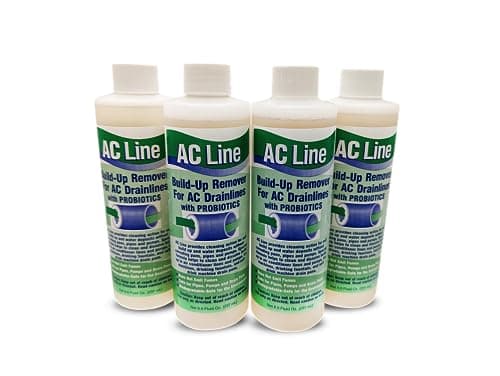
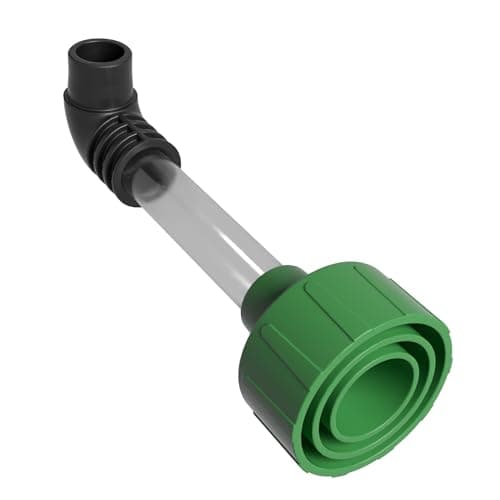
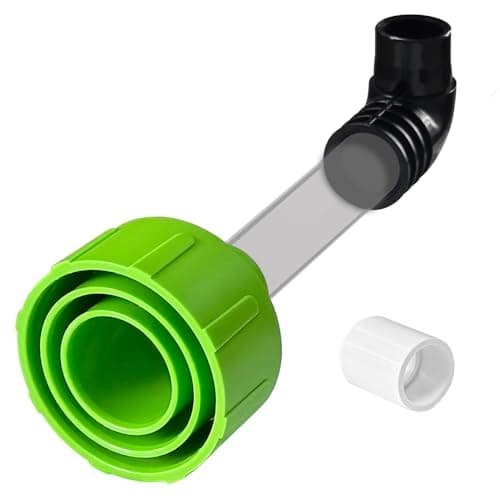
The best AC drain line cleaner depends on whether the line is clogged now: if water is standing in the drain pan, pull the clog out with a shop vac at the outside end using the GAGALOR HVAC Drain Tool Wet-Vac Attachment, which states a 3/4 in PVC adapter and is rated 4.7 stars across 350 Amazon ratings. Once the line flows, a monthly treatment keeps slime from building back; the AC Line 4-Pack is sold as a 12-month supply. Turn the system off at the thermostat first, and make sure a float switch will shut the AC down if the line clogs again.
Buyer's Guide
What to know before you buy.
How a Clogged Condensate Line Ends Up in Your Ceiling
Your air conditioner's indoor coil pulls water out of the air as it cools. That water drips into a pan under the coil and runs by gravity through a PVC drain line, usually to the outside near the condenser or into a house drain. The water is warm and slow, and a slime of algae, bacteria and dust builds on the pipe walls until it closes the line. Then the pan fills. If the air handler sits in the attic, the overflow comes through the ceiling below. In a closet or basement, it spreads across the floor and wicks into the drywall. EPA's moisture guide puts it simply: keep air conditioning drip pans clean and the drain lines unobstructed and flowing properly. Water stains on the ceiling under the unit, a musty closet, or an AC that stops cooling on a humid day are the usual first signs.
Clog Now or Upkeep Later: Match the Product to the Job
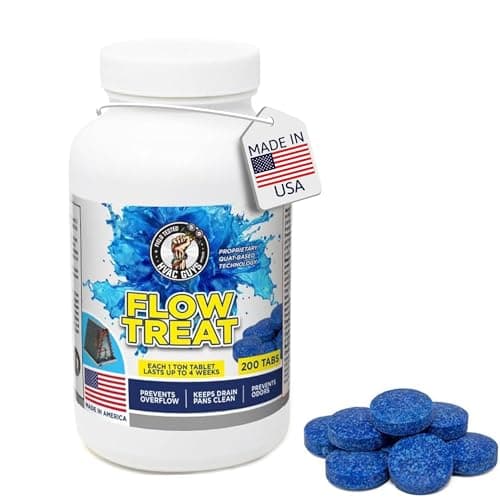
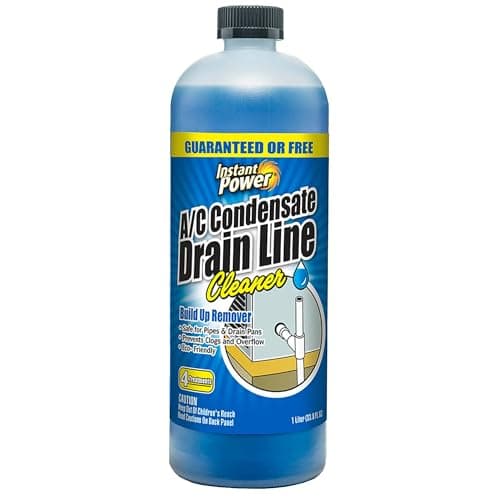
There are two jobs here, and most products do only one of them. A line that is already blocked, with water standing in the pan, needs the plug pulled out, and a wet/dry vac sealed to the outside end with an adapter like the GAGALOR or EZVAC is the standard way to do it. A line that drains needs the slime kept from coming back, and that is what liquids and tablets do. The AC Line 4-Pack and the Instant Power bottle go into the access tee near the air handler. HVAC GUYS tablets sit in the pan itself. None of the treatments will open a line that is fully blocked, however the listing words it. So the order is: clear the line by suction, confirm water runs through, then start a monthly treatment.
How to Clear the Line Safely
Start by switching the system off at the thermostat, then at the breaker or the service switch next to the air handler, so nothing runs while you work. Soak up any water in the pan with towels or the shop vac. Outside, find the end of the PVC drain line, fit the adapter, seal it to the vac hose, and run the vac for a minute or two. Look in the clear tube and in the vac drum for slime and water. Back inside, remove the cap from the access tee near the air handler and pour in plain water. If it runs out the far end freely, the line is clear, and you can add your treatment as the label directs. Check your system's manual before using bleach or vinegar, because some makers say what may go in the pan. Restore power last.
The Float Switch Is the Real Safety Net
A cleaner lowers the odds of a clog. A float switch limits the damage when one happens anyway. It sits in the drain pan, the secondary pan or the drain line, and when rising water lifts its float, it breaks the low-voltage control circuit and stops the cooling. No more condensate is made, so the pan stops filling. If your AC quit on a hot day and the pan holds water, the switch has probably done its job. Clear the line, let the pan drain, and the system should restart. Never jumper or bypass the switch to get the AC running again. If your air handler sits over a finished ceiling and has no switch, ask an HVAC technician to fit one, and put a leak sensor under the unit as a second warning.
How Often to Treat, and How to Dose
The listings on this page give three schedules. AC Line is meant to be used monthly, sold as a 4-pack covering 12 months. HVAC GUYS doses by size: one tablet per ton each month, two per ton for a fouled pan. GAGALOR suggests a vacuum pass once a year, and EZVAC every 6 months. A workable routine combines them: vacuum the line before the cooling season starts and again midway if you live somewhere long and humid, and use a treatment every month the AC runs. Tonnage is simple arithmetic: one ton is 12,000 BTU per hour, so a 24,000 BTU system is 2 tons and a 48,000 BTU system is 4 tons. Check the pan whenever you change the air filter. A clean pan with no standing water means the routine is working.
Who Should Not Buy a Drain Cleaner, and When to Call an HVAC Technician
A drain cleaner fixes one problem: a slow or blocked condensate line. It is the wrong purchase if water drips from the unit while the line runs freely. That points to a cracked pan, a disconnected joint, a failed condensate pump, or a coil that freezes and then floods the pan as it thaws, often from a clogged filter or a refrigerant problem. Refrigerant work needs a certified technician. Call one too if the clog sits inside the air handler where you cannot reach it, or if the line keeps blocking within weeks. And if water has already reached the ceiling or the walls, dry it out fast. EPA says to dry water-damaged areas within 24 to 48 hours to prevent mold, and ceiling tiles that turn moldy may have to be thrown away.
Free 2-day shipping
Amazon Prime members pay no shipping on restoration equipment
Dehumidifiers, air movers, and moisture meters qualify for free Prime delivery — bulk items that otherwise cost $15–$40 to ship.
Affiliate link — HearthDry earns a bounty if you sign up; costs you nothing extra.