

Quick answer
For an AC leaking water, call an HVAC technician for the unit and a water damage restoration company for anything the water soaked. The technician clears a clogged condensate line, replaces a cracked drain pan or failed condensate pump, or thaws and diagnoses a frozen coil. The restoration company dries the ceiling, drywall, attic insulation or flooring under it, which the HVAC repair does not touch. If water is coming through a ceiling, switch the system off at the thermostat and the breaker before either call. Call (864) 806-2818 to reach a certified water damage restoration company in your area; the line is answered 24/7.
Enter your 5-digit ZIP when asked. The line goes quiet for about half a minute while it connects — that is normal, stay on. If it does not connect, call once more: companies taking calls change minute to minute.
 Serving US homesCertified US companiesCall nowLine answered 24/7

Water moves fast. What you do first decides if it stays a drying job.
Do this first
- Shut off the mainNear the meter or where the line enters.
- Kill power to wet roomsFlip the breaker before you step in.
- Photograph everythingBefore you move or throw anything out.

Written & reviewed by Marcus ReedIICRC WRT
Reviewed October 12, 2026· Next review Apr 2027
An air conditioner leaking water inside the house is two problems with two different trades, and the usual mistake is to call only one of them. The unit, whether the fault is a clogged condensate drain line, a cracked drain pan, a condensate pump that quit or a frozen evaporator coil, is an HVAC technician's job. The ceiling, drywall, attic insulation or closet floor the water has been running into is a water damage restoration company's job, and the HVAC repair does nothing for it. This page is the decision: which call first, what each trade should do, and when you need only one of them.
Turn the System Off at the Thermostat and the Breaker
Do this before any call. A running air conditioner keeps pulling moisture out of the air, and all of it goes into the same drain pan that is already overflowing. If the coil has frozen, the ice melts into that pan as soon as the unit stops, so expect a second surge of water in the hour after you switch it off. Set the thermostat to off, then turn off the breaker for the air handler or furnace. The breaker matters because the indoor unit's electrical cabinet shares a closet or attic platform with the water, and because a technician will want it off anyway.
If water is coming through a ceiling, the unit is almost certainly in the attic above it. Put a bucket under the drip, keep people and pets out from under any sagging or bulging patch of drywall, and do not push on it. The ceiling leak emergency page covers what to do if a ceiling is about to come down.
Find Where the Water Is and Where It Went
An AC leak is small at the source and large at the destination. Condensate drips a cup at a time, but it has usually been dripping for days before anyone sees a stain, and where the unit sits decides what got wet.
| Where the indoor unit is | What the water reaches | Who cleans it up |
|---|---|---|
| Attic | Ceiling drywall below, the insulation on top of it, the top of the wall it runs down | Restoration company |
| Hall or utility closet | Closet floor and subfloor, baseboards, the wall cavity behind the unit, the hallway carpet outside the door | Restoration company if anything beyond the pan footprint is wet |
| Basement or garage | Concrete floor, stored items, the nearest finished wall | Often a mop and a fan; restoration if drywall or stored belongings got wet |
| Wall-mounted mini-split head | The wall below the head, the flooring under it | Restoration company for the wall cavity |
Look for the secondary pan too. The International Residential Code requires, wherever an overflow or a blocked condensate line would damage building components, either an auxiliary drain pan with its own drain to a conspicuous point of disposal to alert occupants, a separate overflow drain line, or a water-level detection device that shuts the equipment off before the pan overflows. A PVC stub dripping under the eave or above a window in cooling season is that conspicuous point: it means the primary line is blocked and the secondary is doing its job. Water through the ceiling means the unit has no secondary pan, the pan rusted through, or the float switch failed or was never installed.
HVAC Technician or Plumber?
HVAC, for anything attached to the unit: the drain pan, the condensate line from the coil to wherever it terminates, the condensate pump and its float, the evaporator coil and the float switch. AC unit leaking water inside the house walks through those causes one at a time if you want to know which one you have before the technician arrives.
A plumber is the right call in two cases. The first is when the condensate line ties into a sink drain, a floor drain or a laundry standpipe and that drain is itself backing up, so the AC is only the first thing to overflow. The second is when the "AC leak" turns out not to be condensate at all: a water line for a furnace humidifier, a supply pipe running through the same attic, or a water heater in the same closet. Condensate is cool, clear and only appears while the unit runs; a drip that continues with the system off, or warm water, is a plumbing leak and belongs with who to call for a ceiling leak.
A roofer only if the stain grows when it rains and not when the AC runs.
Call an HVAC Technician for the Unit
The technician should do more than clear the line and leave. Ask for all of this, and ask for it on the invoice:
- 1Clear the condensate line from the outdoor termination with a vacuum, then flush it, and confirm water runs through to the end.
- 2Inspect the primary drain pan for cracks or rust and the secondary pan, if there is one, for the same.
- 3Test the condensate pump and its float, if the unit has one; a pump that hums but does not move water is the usual failure.
- 4If the coil froze, find the reason rather than just thawing it: restricted airflow from a dirty filter or blocked return, or a refrigerant problem. A coil that froze once will freeze again until the cause is fixed.
- 5Install a float switch on the primary line or in the secondary pan if the unit does not have one. It shuts the system off when the drain backs up, and it is the single part that turns the next clog into a service call instead of a ceiling repair.
If the drip was slow and nothing but the pan footprint got wet, clearing the line yourself is a reasonable first move; a drain line cleaner and a wet/dry vacuum handle most algae clogs, and AC condensate line clog shows the method. A pan that has rusted through is a replacement pan, and a dead pump is a replacement pump. None of that dries the ceiling.
per sq ft, mitigation only
- Category 1Clean supply water
- Category 2Grey water
- Category 3Black water
Extraction and drying only. Rebuilding drywall, floors and cabinets is priced separately.
The mold clock on wet material
- Hour 0Water stopsShut the supply and start getting water out. Drying begins here.
- About 24 hSpores germinateMold spores start growing on wet drywall, carpet pad and wood.
- 48–72 hVisible coloniesGrowth you can see and smell. Drying becomes a mold job.
Serving US homesCertified US companiesCall nowLine answered 24/7Who to Call for an AC Leaking Water, in Order
- 1Turn the system off at the thermostat and the breakerSet the thermostat to off, then switch off the breaker for the air handler or furnace.
- 2Find where the water is and where it wentCheck the primary pan, the secondary pan if there is one, and the condensate line's outdoor end.
- 3Call an HVAC technician for the unitThe technician clears and flushes the condensate line, replaces a cracked pan or a failed pump, finds the cause of a frozen coil, and…
- 4Call a restoration company for the wet buildingA water damage restoration company meters the ceiling, insulation, walls and floor, removes what cannot be dried, dries the cavity with…
What the restoration company does in your home

1.Finds the water you can't see
Moisture meters and a thermal camera at baseboards, under flooring and behind drywall.
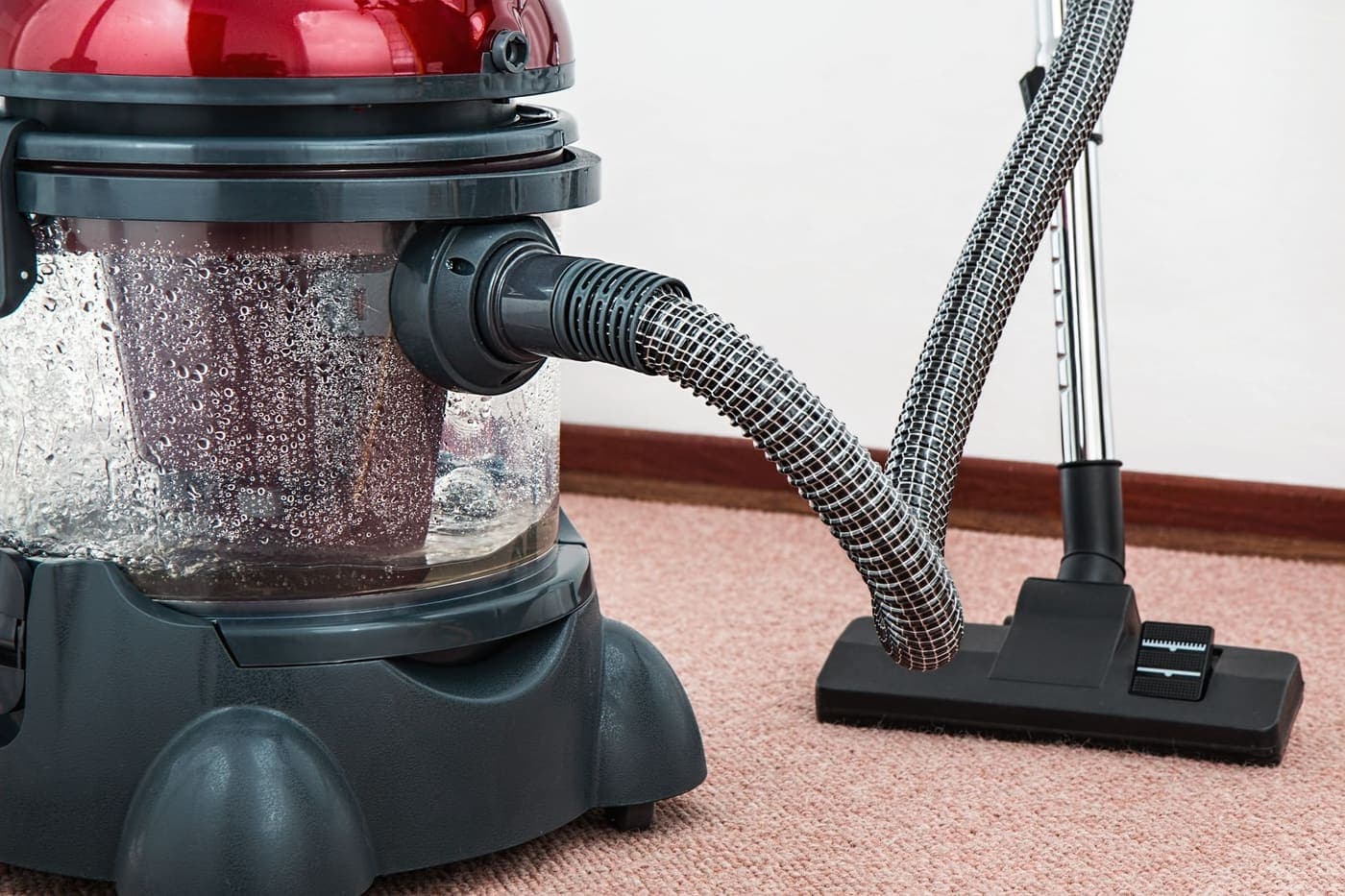
2.Pulls out the standing water
Extraction first, then anything soaked that cannot be dried is removed.
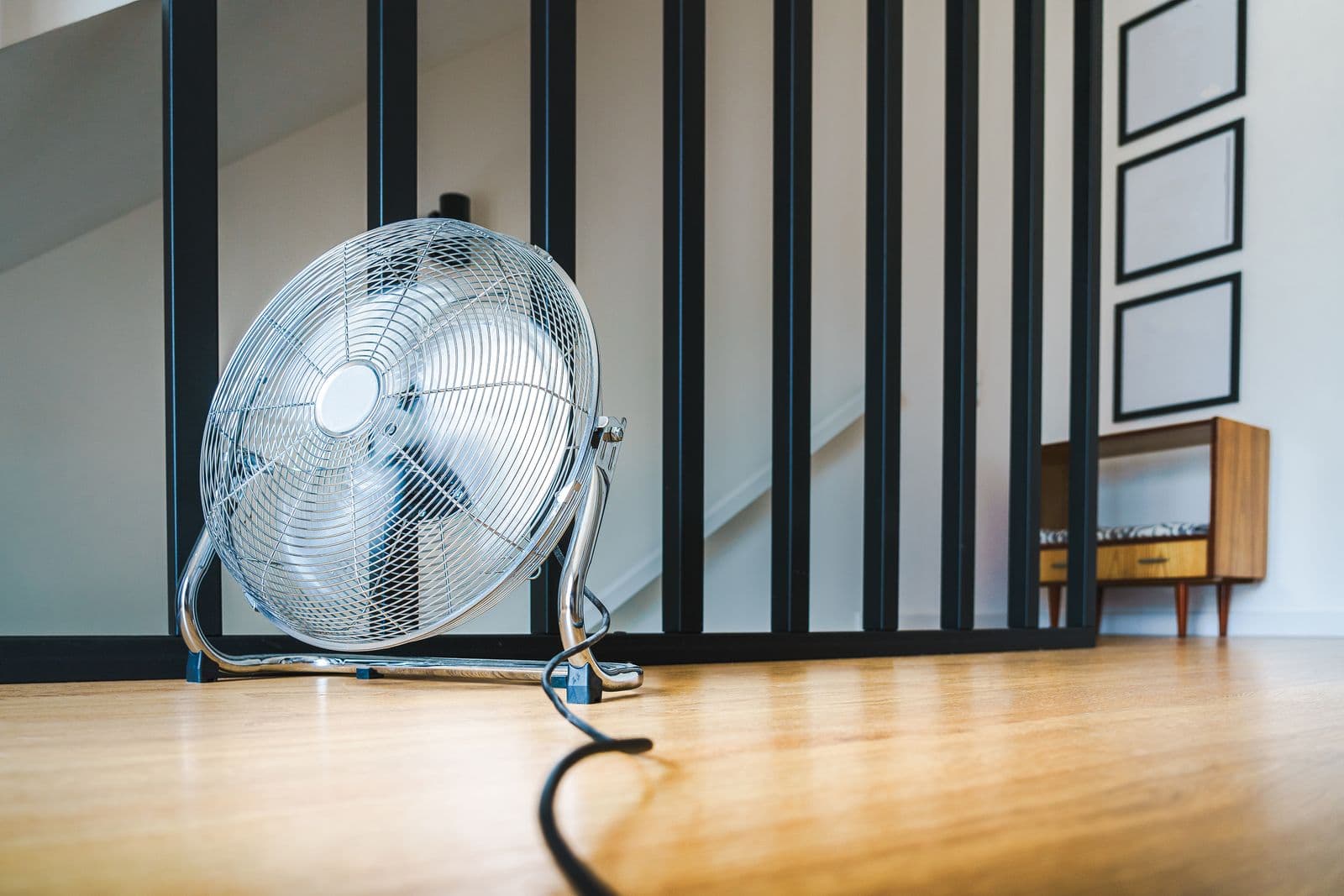
3.Dries it and logs the readings
Air movers and dehumidifiers run until the meter says dry, with a log your insurer can read.
Talk to a water damage pro now
Answered 24/7 · Toll-free · no obligation
(864) 806-2818Mold can establish within 24–48 hours of water exposure — drying started today stays a drying job.
- Enter your ZIP when asked
- Stay on through the short quiet while it connects
- A local certified company explains the job and price
Call a Restoration Company for the Wet Building
This is the call people skip, because the leak was "just the AC." Condensate is clean water, but it has usually been soaking into building materials for days. The EPA's guidance is that water-damaged materials dried within 24–48 hours will in most cases not grow mold, and the same guide names the back side of drywall, the inside of walls around pipes, and the underside of carpet and pad as the places hidden mold grows. An attic leak wets the insulation first, and wet insulation sits on the ceiling drywall and keeps it wet long after the drip stops. A closet unit wets the subfloor under the platform and the bottom of the drywall behind it, both of which look dry from the hallway.
A water damage restoration company meters the ceiling, the walls and the floor with moisture meters and a thermal camera, removes the insulation and drywall that cannot be dried, dries the cavity with dehumidifiers and air movers, and writes down the readings. Most residential water damage incidents land at $2,000–$6,000 in total; an AC leak caught the day it shows is usually a one-room job near the bottom of that range, and one that has been dripping through a summer is not. If the ceiling has a black or green bloom already, say so on the call, because that is a mold job as well as a drying job; HVAC mold remediation covers the case where the air handler itself is contaminated.
You may not need this call if the water stayed on a concrete floor inside the pan footprint, no drywall or insulation is damp, and it was cleaned up the same day. A hand test tells you: press the baseboard and the drywall nearest the unit; if either is soft, cool or smells musty, the water went in. (864) 806-2818 is answered 24/7 and connects you to an IICRC-certified water damage restoration company taking calls in your ZIP; there is no charge for the referral.
Does Insurance Cover Water Damage From an AC Leak?
The standard homeowners form names the cause directly. Its accidental discharge peril covers accidental discharge or overflow of water or steam from within a plumbing, heating, air conditioning or automatic fire protective sprinkler system, and the NAIC's consumer page says water damage from a home's plumbing or a leak in the roof is typically covered. Three limits apply. The form does not cover loss to the system or appliance from which the water escaped, so the pan, pump or coil repair is yours. It excludes constant or repeated seepage or leakage over a period of weeks, months or years, which is the argument an adjuster makes when the ceiling stain is old and brown-ringed. And mold is paid only up to a sublimit, commonly $1,000–$10,000 on a standard policy, where the NAIC notes policies often exclude it outright. The drying company's moisture log, dated the day you found it, is what keeps the claim on the right side of all three. Does homeowners insurance cover water damage goes through the policy wording.
What Happens When You Call
(864) 806-2818 is a referral line, not a dispatcher. What to expect:
- A short automated prompt answers and asks for the ZIP of the property.
- Enter the 5-digit ZIP of the house.
- The line goes quiet for about half a minute while it connects you to a certified restoration company taking calls in that ZIP. That is normal. Stay on.
- When someone answers, say it is an AC condensate leak, where the unit is, whether the system is off, and what is wet: ceiling, insulation, wall, closet floor.
The company gives you an arrival window for your address on the call. The scope and price are between you and them. Ask whether they are IICRC certified and whether they will meter the attic insulation rather than only the ceiling below it.
Before Next Summer
Most AC leaks are the same clog coming back. Once the drying is done:
- Have the technician confirm there is a float switch, and test it by lifting the float; the system should shut off.
- Flush the condensate line at the start of cooling season and once a quarter after that.
- If the unit is in an attic over a finished room, make sure it has a secondary pan with its own drain or switch, as the code requires.
- Keep a water alarm in the secondary pan or on the closet floor; it costs less than one drywall patch.
If the ceiling drywall was replaced, wet drywall: save or replace explains why the company cut as much as it did.
Reading to confirm what you already suspect?
Confirm it in two minutes instead — the pro on this line answers questions about YOUR situation all day: what it is, what it should cost, whether you even need service. If you want, they'll set the appointment on the same call.
Toll-free · no obligation · asking costs nothing
Frequently Asked Questions
Who do I call if my AC is leaking water inside the house?
An HVAC technician for the unit and, if anything beyond the drain pan got wet, a water damage restoration company for the ceiling, walls, insulation or floor. Switch the system off at the thermostat and breaker before making either call.
A plumber is only the right trade when the condensate line drains into a household drain that is itself backing up, or when the drip turns out to be a water pipe rather than condensate.
Should I turn off my AC if it is leaking water?
YesAt the thermostat first and then at the breaker for the indoor unit.
The system makes more condensate every minute it runs, and if the evaporator coil has iced up, the ice melts into the full pan once the unit stops, so expect more water for about an hour. Leaving it running also risks the air handler's electrical cabinet, which sits next to the water in a closet or attic.
Is an AC leaking water dangerous?
The water itself is clean condensate, so the risk is not contamination. The hazards are electrical, because the indoor unit's wiring and the water share a closet or attic platform, and structural, because a soaked ceiling can sag and come down.
The slower hazard is mold in insulation and drywall that stays wet past 24–48 hours. Cut the breaker, stay out from under a bulging ceiling, and get the wet materials dried.
Do I call a plumber or an HVAC company for an AC drain line?
An HVAC company. The condensate drain line, the pan it drains, the pump that lifts it and the coil that produces the water are all part of the air conditioning system, and HVAC technicians clear and repair them daily.
Call a plumber when the condensate line empties into a sink, floor or laundry drain and that drain is clogged, since the AC is then the first symptom of a plumbing blockage, not the cause.
Can a leaking AC cause mold?
YesAnd often where you cannot see it.
The EPA's mold guidance says materials kept wet beyond 24–48 hours can start growing mold, and it lists the back of drywall and the space inside walls as common hidden locations. Attic insulation holds condensate against the ceiling drywall for days after the drip stops, which is why a restoration company meters the insulation and not just the stain.
Does homeowners insurance cover water damage from an AC leak?
Usually, for the sudden overflow and the damage it caused, because the standard policy form names accidental discharge from an air conditioning system as a covered peril.
The repair to the unit itself is excluded, a drip that has been staining the ceiling for months can be refused under the seepage exclusion, and mold is capped by a sublimit. Photograph the ceiling the day you find it and keep the HVAC invoice.
Who do I call right now for water damage?
Call (864) 806-2818. The line is answered 24/7, and connects you with an IICRC-certified water damage restoration company that serves your area. A recorded prompt picks up first: key in your 5-digit ZIP code, and hold through the short silence while the call is passed to the company.
Describe what you can see — where the water is coming from, how long it has been there, and whether it smells — the more specific you are, the faster the right company is on the line. If the source is a pipe or an appliance, shut the main water valve first. Have four things ready and the call goes quickly: the address, when the water started, what is wet now, and whether you have filed an insurance claim.
Still not sure which of these is your situation? (864) 806-2818 · toll-free · answered 24/7
Sources
- EPA — A Brief Guide to Mold, Moisture and Your Home (24–48 hour drying window, hidden mold)
- International Residential Code 2021, Section M1411.3.1 Auxiliary and Secondary Drain Systems (UpCodes)
- NAIC — Homeowners Insurance consumer page (plumbing water damage, mold exclusions)
- ISO Homeowners 3 Special Form, HO 00 03 10 00 (sample hosted by the Insurance Information Institute)
Methodology: How we source and verify data · Report an error
Disclaimer: HearthDry is an independent educational resource. This article is for informational purposes only and does not constitute professional, legal, or insurance advice. Consult licensed professionals before making decisions about your property or insurance claims.