3 picks compared · prices, ratings and stock checked October 11, 2026
Our Top Pick
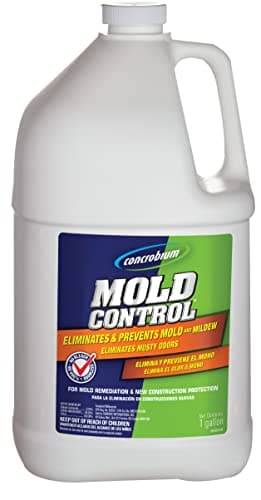
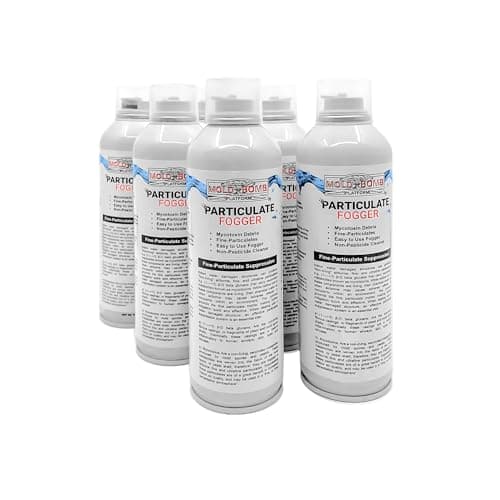
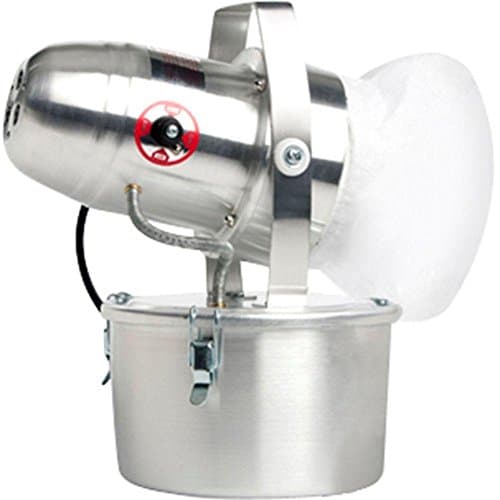
For a basement, attic or crawl space after the mold has been removed and the moisture fixed: the Concrobium fogger with a gallon of Concrobium Mold Control. For a musty small room where the growth is already gone and you want the airborne particulates settled: a Mold Bomb can — understanding that it treats the air and the smell, not the colony.
A mold fogger is a finishing tool: after mold has been physically removed and the moisture fixed, a fogger coats every surface of an enclosed space — a basement, attic or crawl space — with a fine mist that is hard to apply by hand. The Concrobium Mold Control Fogger is a cold fogger that applies Concrobium's EPA-registered, bleach-free solution and is the one to use for that job. The BioCide Mold Bomb is a 6 oz aerosol for about 100 square feet that, per its maker, grounds airborne particulates and odor — it is not an EPA-registered biocide and does not kill surface mold. Neither removes mold, neither reaches growth inside drywall or wood, and EPA does not recommend biocides as a routine part of mold cleanup. Fog after removal, never instead of it. The EPA's rule of thumb is that growth covering more than about 10 square feet is a job for a professional; to reach a certified mold company, call (888) 840-6512, answered 24/7.
Our Picks at a Glance
Available picks first — 2 of 3 in stock at our last check — ratings and stock read from Amazon on 11 October 2026.
No longer stocked — kept because the verdict still holds.
How this page was made: we compare the current Amazon listings, the makers' published specs and what verified buyers report, then rank by fit for the job. Ratings, review counts and stock are read from Amazon and dated. We earn a commission on purchases through our links; it does not change the order. Reviewed by Marcus Reed, IICRC-certified Water Restoration Technician.
Full Reviews
Each pick in detail: what the listing states, what buyers report, and where it falls short.
Applies an EPA-registered mold-control solution as a fine mist that reaches joists, sheathing and framing you can't wipe by hand
Bleach-free, no fumes — usable in a closed crawl space with a respirator
Reusable machine; the running cost is the solution
Cons
The fogger is sold empty — budget for a gallon of solution
Coats surfaces; does nothing for mold inside drywall, insulation or soaked wood, which are removed
Takes setup, cleaning after use, and a vacated space during application
Suited to
Treating the exposed framing of a basement, attic or crawl space after cleanup and moisture correction
Our take
This is what fogging is for: the last pass over a crawl space or attic after the moldy material is out and the moisture is fixed, coating every surface at once. Used before removal, it wets a colony that is still fed by water and changes nothing.
An air-settling can, not a mold killer — fine for the smell after the work, wrong as the work.
Key Specs
Type
Aerosol total-release can
Can size
6 oz
Coverage
Up to 100 sq ft per can (manufacturer)
EPA registration
Not an EPA-registered biocide (manufacturer's statement)
Action
Particulate suspension — grounds airborne particulates and odor
Vacate
Two to four hours per label
Pros
Nothing to set up — tap the can, leave the room
Settles airborne particulates and the musty smell after a cleanup
Small rooms, closets and utility areas where a machine fogger is overkill
Cons
By the maker's own description it does not kill surface mold colonies or penetrate materials
Not an EPA-registered biocide — treat the 'mold killer' marketing accordingly
About 100 sq ft per can; a basement is several cans
Suited to
Clearing the air and odor in a small room after the mold has already been removed
Our take
Read the manufacturer's own site before buying: it says plainly that the product grounds particulates and does not kill surface colonies. That makes it an air-and-odor treatment, which has a place — after removal — and not a remediation product.
A fogger turns a liquid into a fine mist that settles on every surface in an enclosed space — the top of a joist, the back of a stud, the underside of sheathing — where a sprayer and a rag cannot reach. Used with an EPA-registered mold-control solution, it treats those surfaces and leaves a residual barrier. That is a genuine job in a crawl space, attic or basement after cleanup. It is the only job fogging does.
What Fogging Does Not Do
It does not remove mold. Dead mold is still allergenic, which is why EPA's guidance centers on removal and moisture control, not on killing mold in place, and why EPA does not recommend biocides as a routine part of mold cleanup. It does not reach mold inside drywall, insulation or wet wood — those materials are removed. And it does not fix the moisture that grew the colony, so a fogged space with a leak grows the same mold back.
Cold Fogger vs Aerosol Can
The Concrobium machine fogger applies a registered solution you choose, in the quantity you choose, and is reused. The Mold Bomb can is a fixed 6 oz total-release aerosol for about 100 square feet that, by its manufacturer's own description, grounds airborne particulates and odor rather than killing colonies. They are different products for different moments: the fogger for treating surfaces after removal, the can for settling the air in a small room afterwards.
Safety
Nobody in the space during fogging; a respirator (P100 or an organic-vapour cartridge as the product label specifies) for the person applying it; pilot lights and ignition sources off for aerosols; the space closed for the label's dwell time and then ventilated. Read the label of the solution, not just the fogger — the solution is what you are breathing.
The Sequence That Works
Find and fix the water. Remove moldy porous material and HEPA-vacuum and clean the hard surfaces. Dry the space — a moisture meter on the wood below about 16%. Then fog the exposed surfaces. Then keep the space dry with a vapour barrier and a dehumidifier. Fogging is step four of five; sold as step one, it is the most-refunded product in the category.
Before you buy
Is this a humidity problem — or water that's still arriving?
Equipment earns its money against damp air and finished drying. Standing water, soaked drywall or carpet, a leak that keeps coming back, or a musty smell that survives cleaning are past what any consumer unit removes — those need source-fixing and measured structural drying. One call tells you which side of that line you're on, with costs explained before anything is agreed.
Call (888) 840-6512Answered 24/7 · no charge for the referral · press 1 for water damage, then your ZIP
Frequently Asked Questions
Does a mold fogger kill mold?
A fogger applying an EPA-registered mold-control solution (Concrobium) treats the surfaces it coats and leaves a residual barrier. It does not remove the growth, reach mold inside porous material, or fix moisture.
The Mold Bomb aerosol, per its own manufacturer, is not an EPA-registered biocide and does not kill surface colonies — it settles airborne particulates and odor.
Is fogging a good way to get rid of mold in a basement?
As the final step, after the mold has been physically removed from hard surfaces, moldy porous material has been taken out, and the moisture source is fixed.
On its own, no — fogging a basement that still has a wet wall or moldy drywall changes nothing, and EPA does not recommend biocides as a routine part of mold cleanup.
Is a mold fogger safe to use in a house?
With the space vacated during application and for the label's dwell time, a respirator for the applicator, ignition sources off for aerosol cans, and ventilation afterwards, yes.
Read the solution's label — the solution is what is being aerosolised. Keep children, pets and anyone with asthma out until the space is ventilated.
Fogger or spray bottle?
A sprayer covers the surfaces you can see and reach; a fogger covers everything in an enclosed space at once, including the tops and backs of framing. For a small area, the spray bottle is enough. For a crawl space, attic or whole basement after cleanup, the fogger earns its place.
Who do I call right now for water damage?
Call (888) 840-6512. The line is answered 24 hours a day, seven days a week, and connects you with an IICRC-certified water damage restoration company that serves your area. A recorded menu picks up first: choose water damage or mold, key in your 5-digit ZIP code, and hold through the short silence while the call is passed to the company.
Describe what you can see — where the water is coming from, how long it has been there, and whether it smells — the more specific you are, the faster the right company is on the line. If the source is a pipe or an appliance, shut the main water valve first. Have four things ready and the call goes quickly: the address, when the water started, what is wet now, and whether you have filed an insurance claim.
Still not sure which of these is your situation? (888) 840-6512 · toll-free · answered 24/7
Every pick is a current listing. Stock, star ratings and rating counts are read from Amazon by script and carry the date they were read.
Nothing under 4.0 stars makes the list, and the top pick needs a large rating count, so one good week of reviews cannot put it there.
Specs are quoted from the listing or the maker, with the test condition behind the number where there is one, and sized against the job rather than the room on the box.
We do not run lab or field tests. Where a spec matters, we say what it is measured under and what it cannot tell you.
Free 2-day shipping
Amazon Prime members pay no shipping on restoration equipment
Dehumidifiers, air movers, and moisture meters qualify for free Prime delivery — bulk items that otherwise cost $15–$40 to ship.