
Quick answer
Attic mold after a roof leak shows as dark staining on the underside of the roof sheathing and along rafters. Fix the leak first, then remediate — treating mold under an active leak guarantees its return. Remediation needs containment and HEPA filtration because attic air moves into living space, and saturated insulation is removed rather than dried. Call (888) 840-6512 to reach a certified water damage restoration company in your area; the line is answered 24/7.
Written & reviewed by Marcus ReedIICRC WRT
Reviewed July 2, 2026· Next review Jan 2027
Why the Attic Is Where Roof Leaks Become Expensive
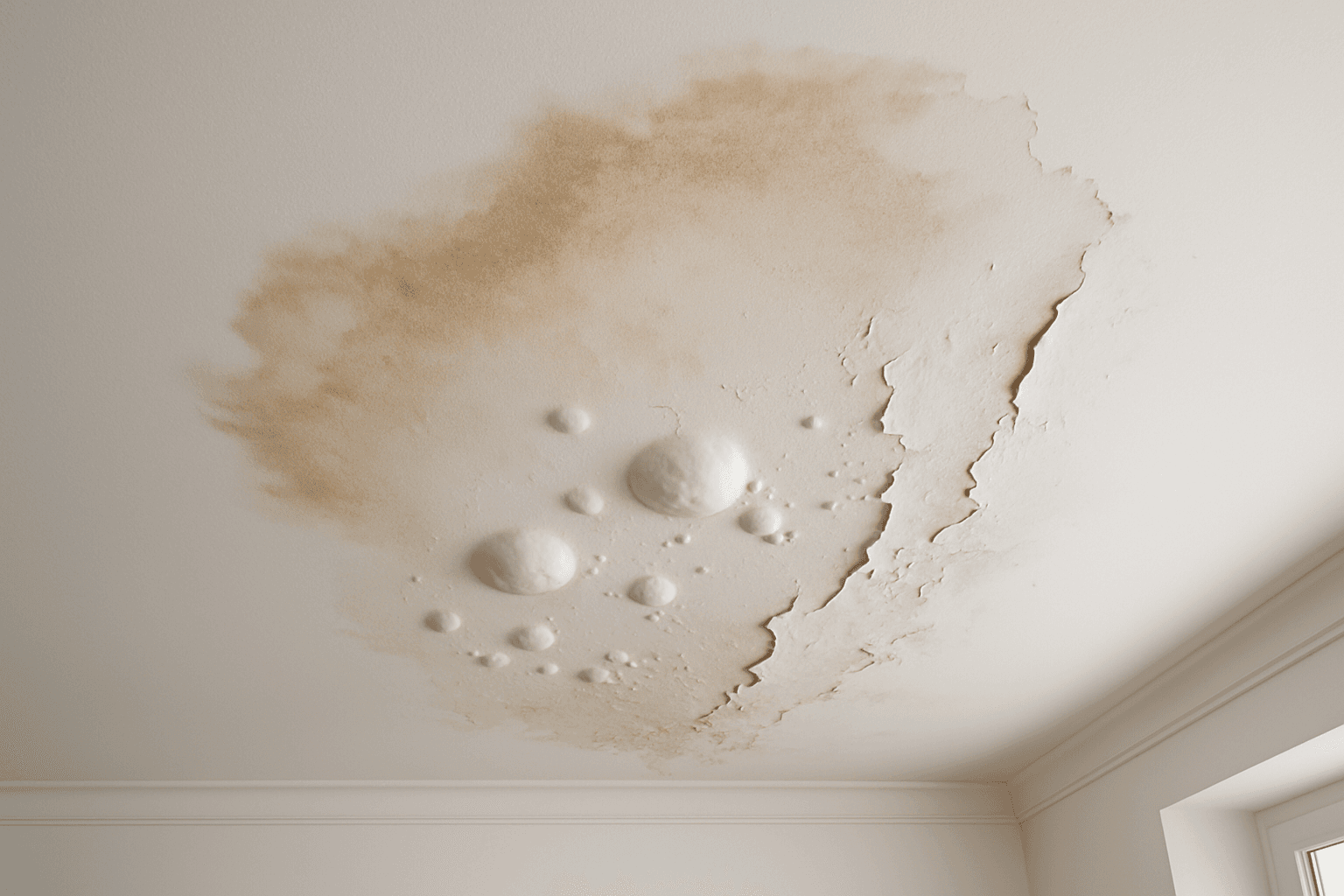
A roof leak that shows up as a ceiling stain has already passed through the attic — and the attic is the worst room in the house for moisture. It is dark, poorly ventilated, packed with absorbent insulation, and framed in bare wood with no paint or finish to slow colonisation. Nobody goes up there, so a leak can run for months before anyone notices.
By the time the stain appears downstairs, mold has usually been growing above it for a while.
What It Costs
| Work | Typical cost |
|---|---|
| Attic mold remediation, average | $1,500 – $6,000 |
| Smaller or early-caught growth | $1,000 – $4,000 |
| Extensive damage, poor access, or insulation replacement | $6,000 – $15,000 |
| Per square foot, remediation | $10 – $30 |
| Insulation removal only | $1 – $2 per sq ft ($1,100 – $3,000) |
| Insulation remove and replace | $2 – $6 per sq ft |
| Roof sheathing/decking replacement | $2 – $5 per sq ft |
| Ridge vent installed | $300 – $650 |
| Soffit vents | $300 – $500 each installed |
The spread is driven by three things: how much sheathing has to come out, whether the insulation is contaminated, and access. A low-pitch attic with no walkway costs more in labor than the same square footage in a stand-up space.
Fix the Roof First — Always
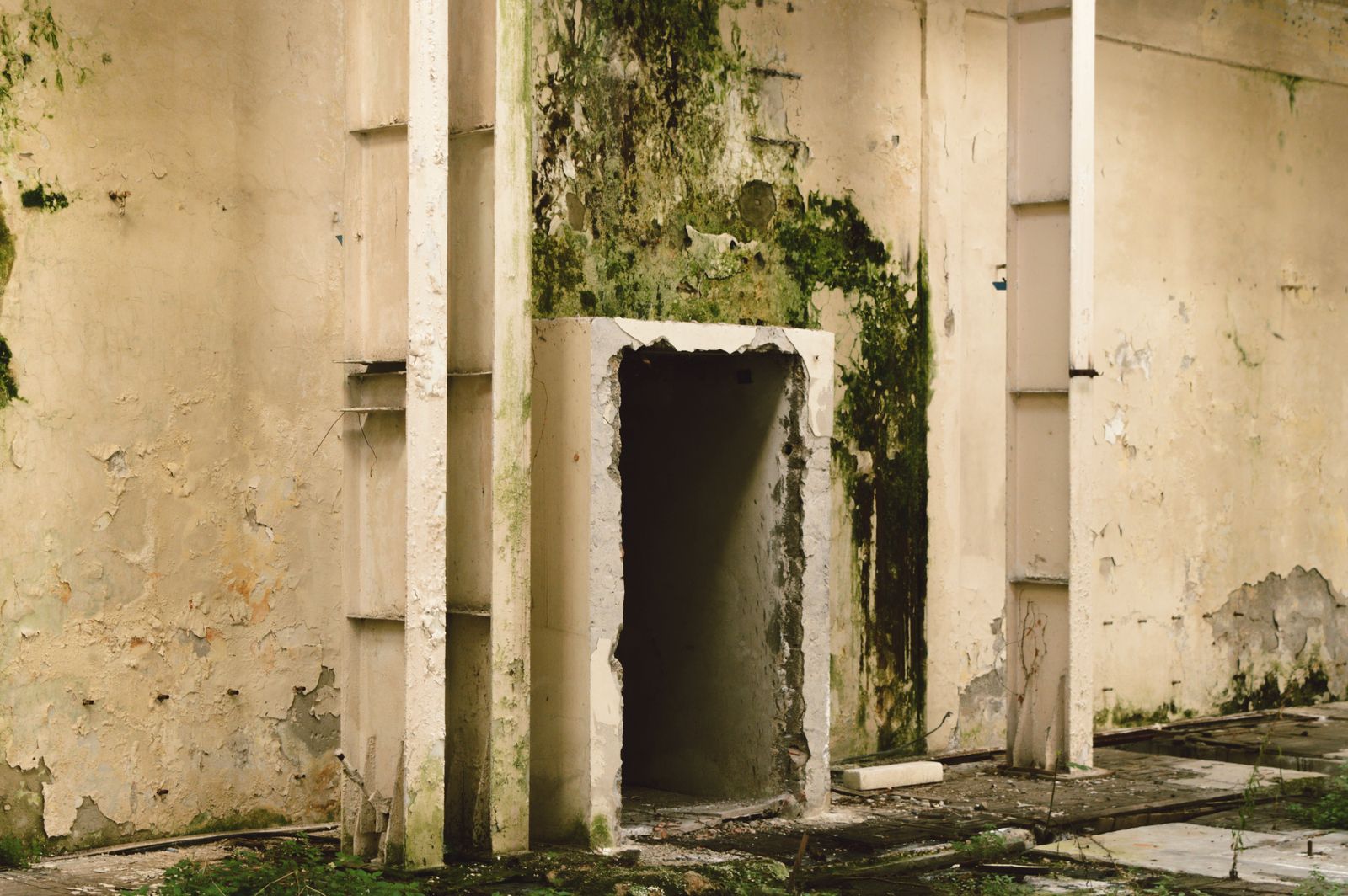
Remediation before the leak is repaired is money set on fire. Mold needs moisture; remove the water and growth stops, remediate while water still enters and it returns within weeks.
So the order is fixed: repair the roof, then remediate, then re-insulate, then improve ventilation. Any contractor proposing to spray the attic while the roof is still leaking is either not thinking or not honest — our scams guide covers that pitch.
Is It Actually the Leak?
Not always, and this matters because the fix differs. Attic mold has two common causes:
A roof leak — localised growth, following a clear path down from a specific penetration, valley or flashing point. Staining on the sheathing traces upward to the source.
Condensation from poor ventilation — growth spread broadly across the underside of the sheathing, often worse on the north slope, frequently with frost or damp in winter. This is warm humid indoor air reaching a cold roof deck, and it is caused by inadequate air sealing and ventilation, not by a hole in the roof.
If the growth is general rather than local, repairing shingles will not fix anything. Bathroom and dryer vents terminating into the attic instead of outside are a classic culprit and a cheap fix.
Talk to a water damage pro now
Answered 24/7 · Toll-free · answered 24/7 · no obligation
(888) 840-6512- Describe the damage & give your ZIP
- You're routed to the on-call local crew
- They quote — you decide, no obligation
What Proper Remediation Involves
- 1Containment and negative air. The attic access is sealed and a HEPA-filtered negative air machine keeps spores from moving into the living space during work.
- 2Remove contaminated insulation. Insulation is porous, holds moisture, and cannot be cleaned. It comes out.
- 3Remove unsalvageable sheathing. Wood with surface growth can usually be cleaned; wood that is soft, delaminated or rotted is replaced.
- 4Clean the framing. HEPA vacuuming, then wire brushing, soda blasting or dry-ice blasting for structural wood. Not bleach — it is mostly water, it does not penetrate porous wood, and it feeds the problem it is sold to fix.
- 5HEPA vacuum everything and treat with an antimicrobial.
- 6Re-insulate to current code depth.
- 7Correct the ventilation — soffit and ridge, plus air-sealing the ceiling penetrations letting warm air up in the first place.
Step 7 is the one most often skipped and the reason mold comes back. Insulation and remediation without ventilation is a repeat customer.
Do You Need Testing?
Usually not before the work. If you can see it, you know. Testing tells you what species it is, and remediation is the same regardless.
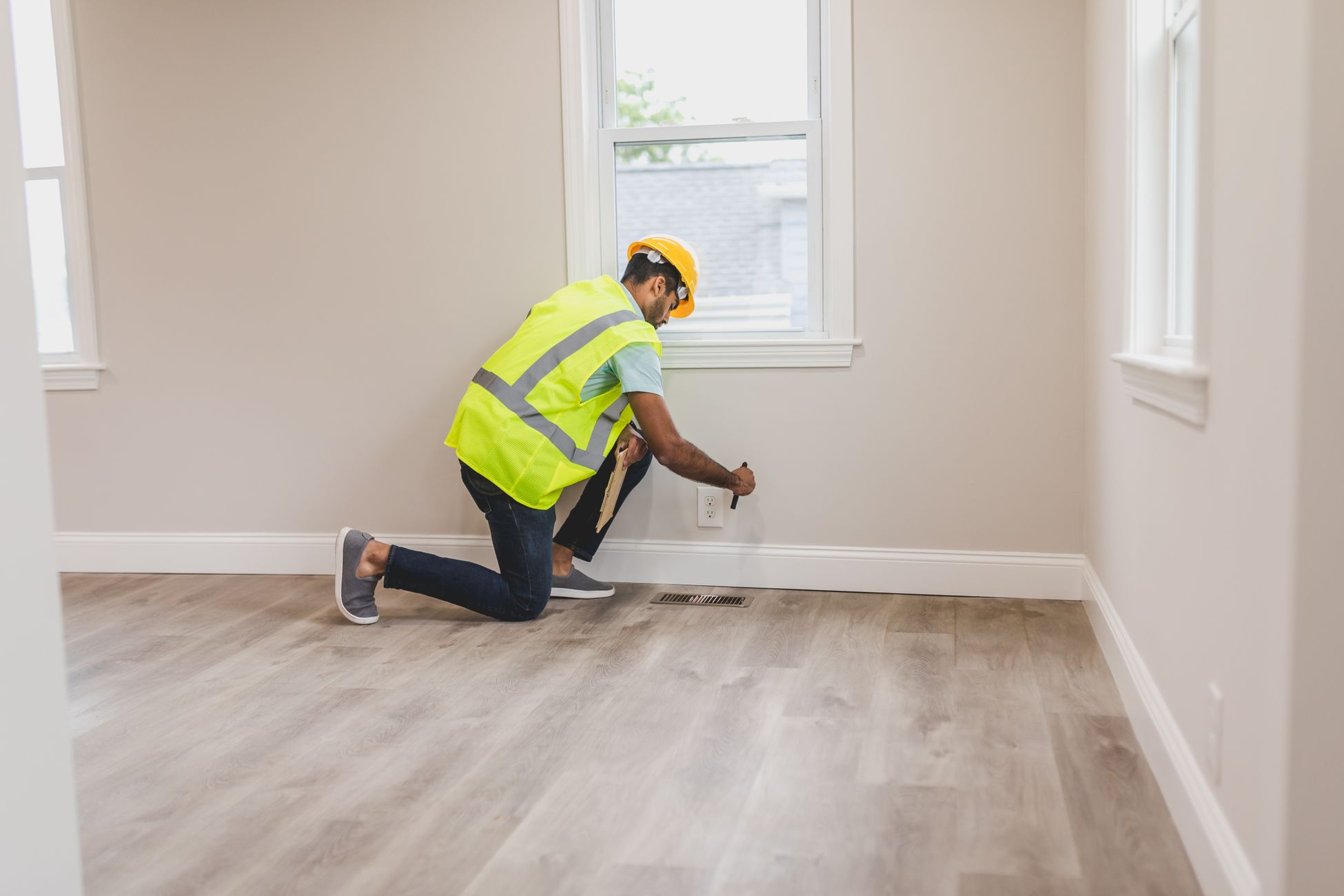
Post-remediation verification is different and worth having on a large job — an independent clearance inspection confirming the work was done. Use a company independent of the remediator; a firm that tests, finds mold, remediates and then clears its own work has an obvious conflict of interest.
Insurance
Roof leaks and attic mold are one of the most contested claim areas. The general shape:

- Sudden and accidental roof damage — storm, fallen branch — with resulting mold: usually covered, though mold is typically sublimited
- Gradual leak from age, worn shingles or deferred maintenance: usually denied
- Mold from condensation and poor ventilation: essentially never covered — it is a maintenance issue
The determining question is whether the roof failed suddenly or deteriorated. Photograph the roof damage and the attic before any work, and see does home insurance cover roof leaks for how carriers frame it.
Bottom Line
Budget $1,500–$6,000 for typical attic mold remediation, more if sheathing or insulation must be replaced. Repair the roof first, work out whether it was a leak or a ventilation problem, insist that ventilation is corrected as part of the job, and expect the insurer to focus on whether the roof failed suddenly or slowly.
Reading to confirm what you already suspect?
Confirm it in two minutes instead — the pro on this line answers questions about YOUR situation all day: what it is, what it should cost, whether you even need service. If you want, they'll set the appointment on the same call.
Toll-free · no obligation · asking costs nothing
Frequently Asked Questions
What should homeowners know about attic mold after a roof leak — detection and remediation?
Attic mold often goes undetected until it affects living spaces below. Consult an IICRC-certified restoration professional for site-specific assessment.
Does insurance cover this type of water damage?
Coverage depends on whether the event was sudden and accidental vs gradual. Document everything and review your policy exclusions.
When should I call a professional?
Call immediately if water affects multiple rooms, involves Category 2 or 3 water, or drying cannot begin within 24 hours.
How does IICRC S500 apply?
IICRC S500 defines industry-standard inspection, extraction, drying, and documentation requirements that insurers expect.
Where can I find local restoration pros?
Use HearthDry's location finder to connect with IICRC-certified restoration companies in your area.
Who do I call right now for water damage?
Call (888) 840-6512. The line is answered 24 hours a day, seven days a week, and connects you with an IICRC-certified water damage restoration company that serves your area. Describe what you can see — where the water is coming from, how long it has been there, and whether it smells — the more specific you are, the faster the right company is on the line.
If the source is a pipe or an appliance, shut the main water valve first. Have four things ready and the call goes quickly: the address, when the water started, what is wet now, and whether you have filed an insurance claim.
Still not sure which of these is your situation? (888) 840-6512 · toll-free · answered 24/7
Sources
- CDC — Mold After a Disaster(retrieved 2026-07-02)
- EPA — Mold Remediation Guidance(retrieved 2026-07-02)
- IICRC S520 — Mold Remediation(retrieved 2026-07-02)
Methodology: How we source and verify data · Report an error
Disclaimer: HearthDry is an independent educational resource. This article is for informational purposes only and does not constitute professional, legal, or insurance advice. Consult licensed professionals before making decisions about your property or insurance claims.
Professional Equipment
HEPA Air Scrubbers Are Non-Negotiable for Attic Mold
Attic mold remediation releases millions of spores. An industrial HEPA air scrubber with negative air pressure keeps spores contained while you work — without it, remediation spreads contamination to living areas.
Affiliate link — HearthDry earns a commission from Sylvane via CJ at no extra cost to you
Watch
Source: US Environmental Protection Agency — public domain
Free 2-day shipping
Amazon Prime members pay no shipping on restoration equipment
Dehumidifiers, air movers, and moisture meters qualify for free Prime delivery — bulk items that otherwise cost $15–$40 to ship.
Affiliate link — HearthDry earns a bounty if you sign up; costs you nothing extra.
Equipment
What each machine actually does
Removes the moisture the structure is still giving off — the machine that decides how long drying takes
See the picks →Moves air across wet surfaces so the dehumidifier has something to take out of the air
See the picks →Finds water behind walls and under floors, and tells you when a material is actually dry
See the picks →Alerts you the moment a leak starts — the cheapest thing on this list and the only preventive one
See the picks →Those pages carry affiliate links. As an Amazon Associate, HearthDry earns from qualifying purchases; it costs you nothing extra.
Our Amazon storefront →Advertisement
