Quick answer
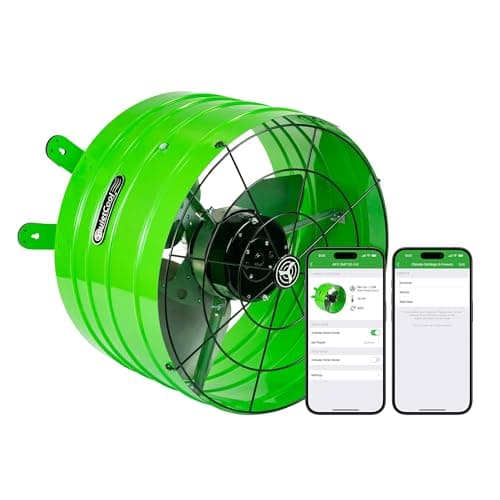
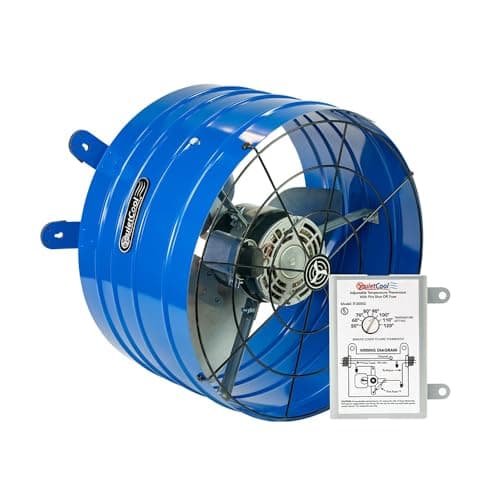
If your attic already has open soffit vents and a sealed ceiling, a thermostat-controlled gable fan is the simplest attic fan to add, and for most homes that is the Quietcool AFG PRO-2.0, rated 4.7 stars across 1,368 Amazon ratings. Its listing gives 1,945 CFM at 108 watts, a 50–120°F thermostat, a fire safety shutoff and a 20 ft plug-in cord, so no wiring. By the common rule of 0.7 CFM per square foot, that suits an attic floor of up to about 2,780 sq ft. Without enough intake, any attic fan pulls its air out of the house instead.
Buyer's Guide
What to know before you buy.
What an Attic Fan Can and Cannot Do
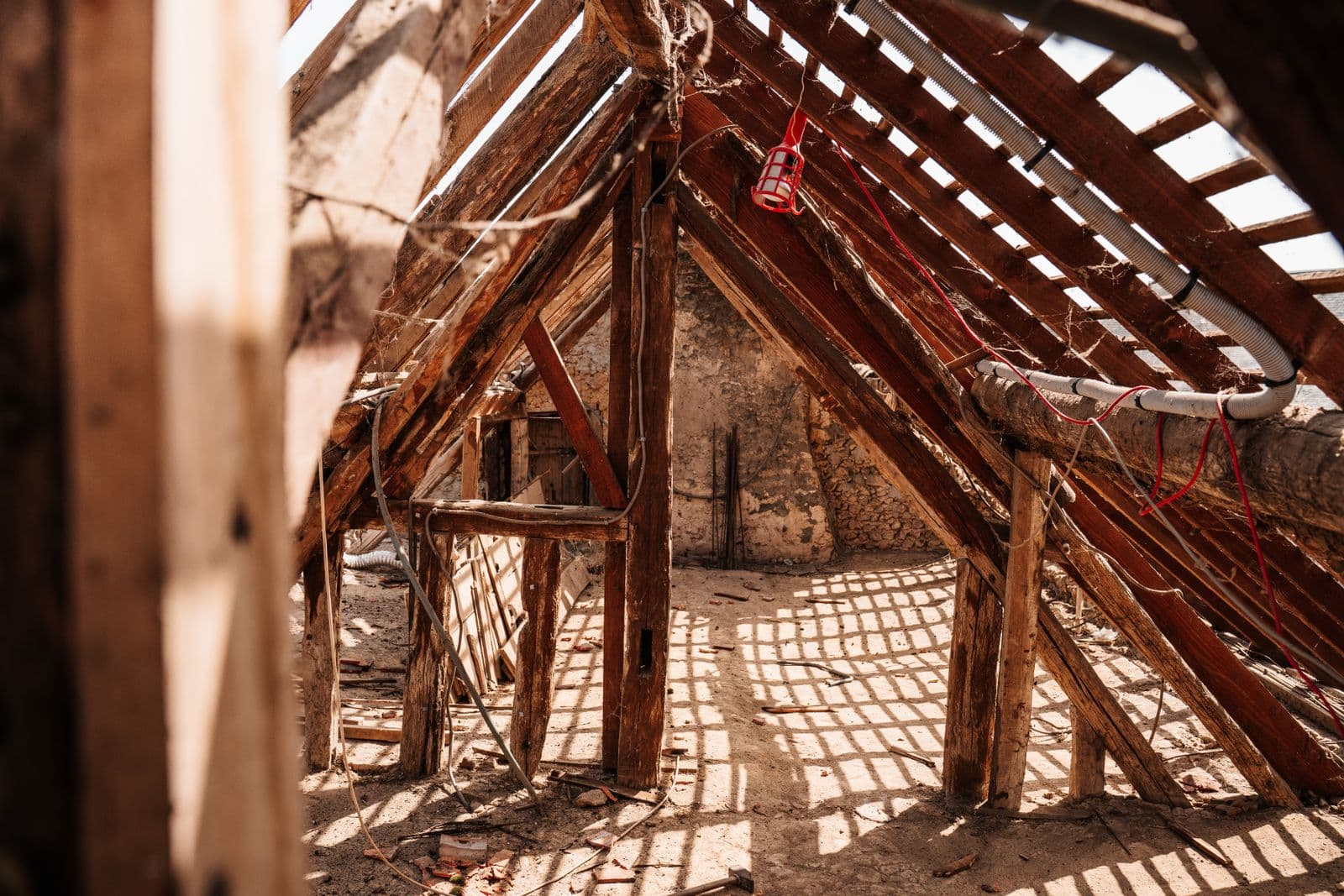
A powered attic fan pulls hot air out of the attic and draws outside air in through the soffit vents. On a summer afternoon that lowers the attic temperature, which takes some heat load off the ceiling insulation and any ductwork running through the attic. It does not cool your rooms the way a whole-house fan does; that is a different machine, mounted in a hallway ceiling, that pulls air in from open windows and through the house. An attic fan also cannot dry an attic that keeps getting wet. A roof leak, a bathroom fan venting into the attic or warm house air leaking up through the ceiling will keep feeding moisture whatever the fan does. EPA puts it plainly: the key to mold control is moisture control. Fix the source, then decide whether the attic still needs a fan.
The Known Downside: A Fan Can Pull Air Out of Your House
A powered attic fan lowers the air pressure in the attic, and it takes make-up air from wherever it is easiest to get. If the soffit vents are blocked or too small, the easiest path is through the ceiling: gaps around light fixtures, the attic hatch, plumbing stacks, wiring holes and chimney chases. That pulls cooled air out of your rooms, which can cost more energy than the fan saves. In a house with gas or oil appliances that vent by natural draft, such as an older water heater or furnace, a strong pressure pull can also draw combustion gases back down the flue and into the house. EPA lists fuel-burning combustion appliances among the sources of indoor air pollution. Before installing, seal the ceiling, open the soffits, and have a technician check those appliances for backdrafting afterward. Keep working carbon monoxide alarms either way.
Sizing: Attic Floor Area First, Then Intake
Many attic fan makers publish the same rule of thumb: multiply the attic floor area in square feet by 0.7 to get the airflow you need in CFM, and add some for a dark or steep roof. A 1,600 sq ft attic works out to about 1,120 CFM. The second number matters more. A common companion rule calls for 1 sq ft of net free intake area, which is 144 sq in, for every 300 CFM. So that 1,120 CFM fan needs about 3.7 sq ft, or roughly 540 sq in, of open soffit vent. Net free area is printed on each vent and is smaller than the hole, because screens and louvers block part of it. Count yours before you buy. An oversized fan on undersized intake is the setup most likely to pull air from the house.
Solar or Hardwired, Gable or Roof Mount
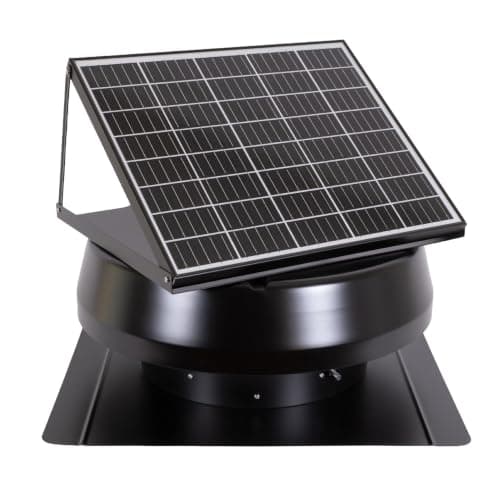
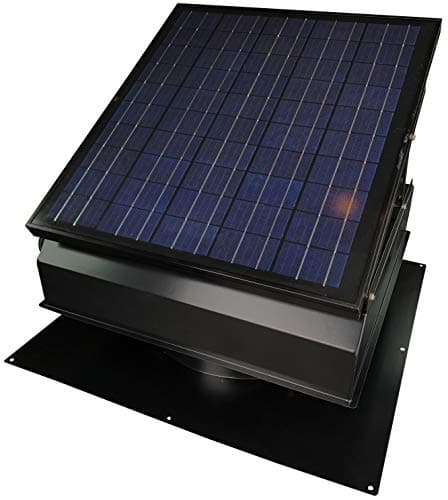
A gable fan mounts on the inside of an existing gable vent, so it needs no new hole in the roof. The two Quietcool picks plug into an outlet on a 20 ft cord; a fan without a cord means a hardwired circuit, which is an electrician's job. A solar roof fan needs no wiring and costs nothing to run, but it goes in through a hole cut in the roof deck, with flashing slipped under the shingles above, so the install carries a leak risk. Its airflow also follows the sun: strongest at midday, weaker under cloud, and off at night unless an adapter is fitted. A plug-in or hardwired fan runs whenever its thermostat calls. If you have a gable vent and an outlet nearby, the gable route is simpler. If not, and one roof face gets steady sun, solar avoids the wiring.
Thermostats, Humidistats and the Winter Question
A thermostat switches the fan on when the attic passes a set temperature; the listings here give ranges between 50°F and 122°F. A humidistat switches it on when attic humidity climbs. That sounds like the mold fix, but in cold weather the moisture in most attics comes from the house below: shower steam escaping around a bathroom fan, a fan duct that ends in the attic instead of outdoors, or air leaking through the ceiling. A fan running on humidity on a winter night pulls harder on those same leaks. So start with the sources. EPA's moisture guide says to vent moisture-producing appliances such as clothes dryers to the outside where possible, and the same logic applies to every bathroom fan duct. Seal the ceiling, then track attic humidity with a hygrometer through a cold spell before you let a humidistat run the fan.
Who Should Not Buy an Attic Fan
Skip the fan if the underside of your roof deck is sprayed with foam. That is an unvented, conditioned attic, and a fan would pull conditioned air straight outdoors. Hold off if the ceiling below has not been air-sealed, if soffit vents are blocked or missing, or if a gas water heater or furnace with a natural-draft flue sits in the living space, until those are fixed and checked. A fan is also the wrong first step when the attic already shows mold or wet insulation. That points to a leak or a moisture source, and what you need is the source fixed and possibly remediation. And if the goal is a cooler upstairs, more insulation and air sealing usually do more than any attic fan, while a whole-house fan is the tool that moves air through the rooms themselves.
Free 2-day shipping
Amazon Prime members pay no shipping on restoration equipment
Dehumidifiers, air movers, and moisture meters qualify for free Prime delivery — bulk items that otherwise cost $15–$40 to ship.
Affiliate link — HearthDry earns a bounty if you sign up; costs you nothing extra.