Quick answer
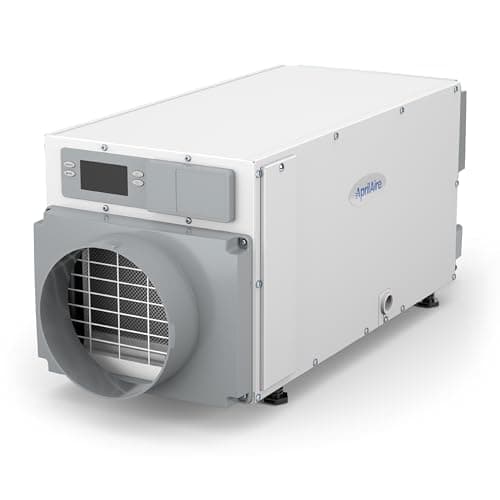
A whole house dehumidifier is an installed unit, usually tied into the HVAC ductwork or a dedicated duct run, that controls humidity in every room the air system reaches; a portable only dries the space around it. The AprilAire E080 Pro is the default pick, rated 4.6 stars across 248 Amazon ratings, with up to 80 pints a day for homes up to 4,400 sq ft and ENERGY STAR Most Efficient certification. Most ducted installs need an HVAC contractor. If one open basement is the only damp space, a large portable can do that job without ducts.
Buyer's Guide
What to know before you buy.
What Makes a Dehumidifier Whole-House
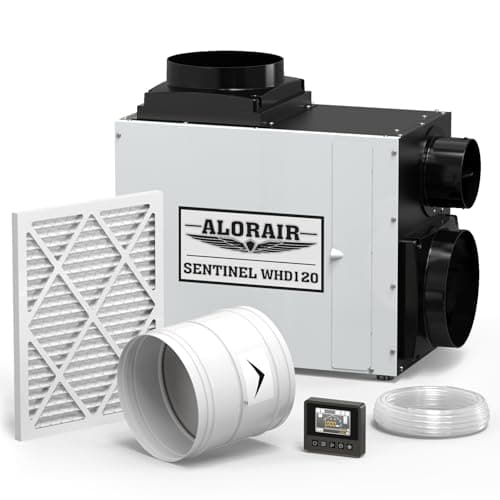
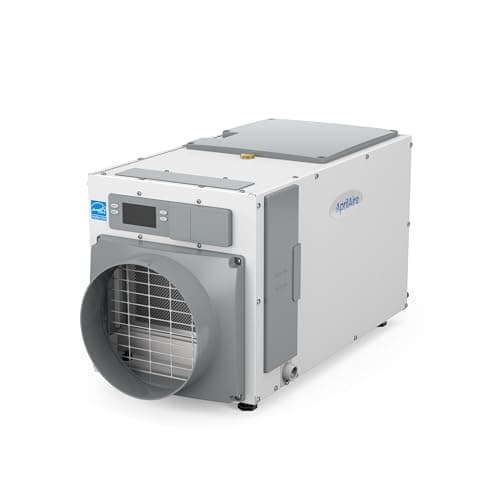
A whole house dehumidifier is installed rather than carried. It sits in a basement, crawl space, attic or utility room, drains continuously to a floor drain or condensate line, and controls humidity for more than the room it stands in. Most are ducted, either into the existing heating and cooling ductwork, so the air handler's blower carries dry air to every room, or on a dedicated duct run with its own grille. That is the real difference from a portable, which only dries the air that passes near it. The AprilAire and ALORAIR units on this page are built for that job, with no tank to empty and controls that start the machine when humidity rises above a target. Portables often share the whole-house label on Amazon, so check whether a listing describes ducting or only a drain hose.
Ducted Into the HVAC, or on Its Own Run
There are three common layouts, and the installer chooses between them based on your ductwork. The first draws air from the return side of the HVAC system and delivers it back into the ducts, so the furnace or air handler fan spreads the dry air through the house. It is the tidiest install, but the system blower has to run for the dry air to move. The second gives the dehumidifier its own return grille, often in a central hallway, so it pulls damp air from the living space directly before feeding the system. The third is a standalone unit in a basement or sealed crawl space with no ducts at all, drying that zone. When people ask for the best unit for an HVAC system, the deciding question is usually whether the existing return duct and blower can take the connection, not the brand.
Sizing: Square Footage and How Damp the House Is
Listings size whole-house units by floor area. AprilAire puts the E070 Pro at up to 2,200 sq ft, the E080 Pro at 4,400 and the E100 Pro at 5,500, and ALORAIR puts the WHD120 at 3,000. Square footage is the starting point, not the answer. A tight newer house in a dry region needs less capacity than an older, leaky house in a humid one, and a wet basement, a vented crawl space or a large household adds moisture every day. Put a hygrometer in a few rooms for a week in summer; readings that stay above 60% RH through the day point toward the larger end of the range for your square footage. Compare capacities at the same test point where you can, because a DOE figure is measured cooler than an AHAM figure and always reads lower.
Can You Install One Yourself
Partly. Setting a standalone unit over a floor drain in a basement, plugging it in and choosing a humidity level is a homeowner job. Ducting it into the HVAC system is not, for most people. It means cutting into the return or supply duct, sealing the connections, routing a condensate line to a drain or pump, and sometimes wiring a control so the system blower runs when the dehumidifier does. Mistakes show up as noise, air leaks or condensate where it should not be. An HVAC contractor also checks that the blower and duct sizes suit the added airflow, and some jurisdictions require a permit for duct or electrical work. Treat installation as a separate quote from the unit itself, and get that quote before you order.
When a Large Portable Is Enough
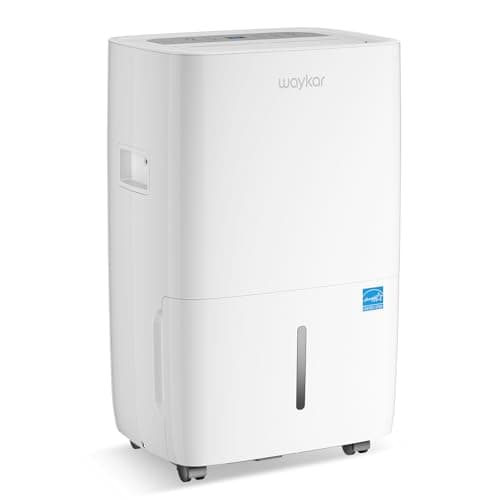
If the damp is confined to one open, unfinished basement, a large portable dehumidifier with a drain hose can do most of what a whole-house unit would, without ducts or a contractor. The Waykar on this page is there for that case. It falls short wherever air does not circulate freely: rooms behind closed doors, upstairs bedrooms, a finished basement split into rooms, or a crawl space it cannot be placed in. It also depends on a floor drain or sump at a lower level for its hose, or on someone emptying the tank. If humidity is high on every floor in summer, or the portable runs all season and the upstairs still feels clammy, the problem is the house, not one room.
Is a Whole House Dehumidifier Worth It
It is worth it when humidity is a whole-house problem. The EPA advises keeping indoor relative humidity below 60%, and ideally between 30% and 50%, because damp air lets mold grow. Signs that the house needs more than a portable include musty smells on more than one floor, condensation on windows in summer, damp closets, and an air conditioner that cools the house but leaves it clammy. A whole-house unit dries the air without the house having to be over-cooled, and it drains itself, so it keeps working when nobody is watching it. It is not worth it if the damp comes from a leak, a wet foundation or a gutter problem. Fix the water source first, because no dehumidifier keeps up with water that keeps arriving.
Free 2-day shipping
Amazon Prime members pay no shipping on restoration equipment
Dehumidifiers, air movers, and moisture meters qualify for free Prime delivery — bulk items that otherwise cost $15–$40 to ship.
Affiliate link — HearthDry earns a bounty if you sign up; costs you nothing extra.