
Quick answer
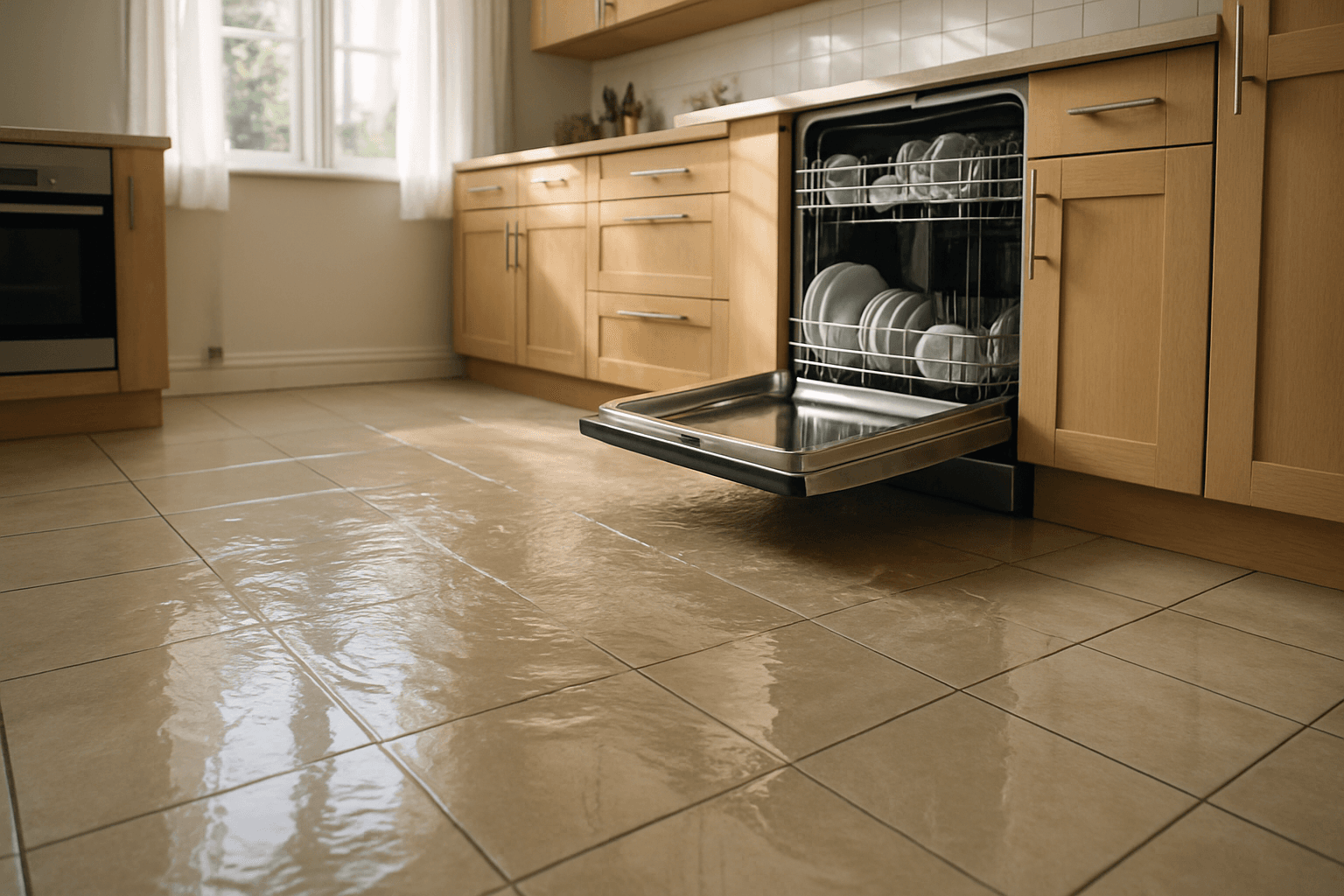
A GE dishwasher leaking at the bottom of the door usually means a worn lower door gasket ($15–$40 part), a clogged filter raising the water line, suds from the wrong detergent, or a sagging door — while water from under the unit implicates the drain hose or inlet valve ($150–$300 tech visit). Run a watched cycle to tell door leaks from base leaks, and pull the toe-kick to check the cabinet floor: dishwasher leaks soak kitchens invisibly. Call (888) 840-6512 to reach a certified water damage restoration company in your area; the line is answered 24/7.
Written & reviewed by Marcus ReedIICRC WRT
Reviewed August 19, 2026· Next review Feb 2027
GE Dishwasher Leaking From the Bottom: Door or Base?
Every GE dishwasher leak diagnosis starts with one observation that halves the problem: is the water coming from the bottom of the door, or from under the unit? Dry the floor, run a short cycle, and watch with a flashlight. Door-line water is a seal or water-level problem you can usually fix today; under-unit water is a hose, valve, or tub problem with different math. This guide covers both — and the cabinet-floor check that decides what this leak really cost you.
Door Leaks: The Four Usual Causes
| Cause | Telltale | Fix |
|---|---|---|
| Worn lower door gasket | drips at door's bottom corners | $15 – $40 part, DIY |
| Clogged filter (water line too high) | standing water in tub after cycles | free — clean it |
| Suds from wrong detergent | foam at door line, sparkling leak | free — dosage |
| Door sag (spring/hinge wear) | door drops when opened | $20 – $60 parts |
The gasket is the classic: rubber flattens and splits with a decade of heat cycles. Run fingers along the lower door seal for flat spots and detached sections — on most GE models it's a press-in part and a ten-minute swap.
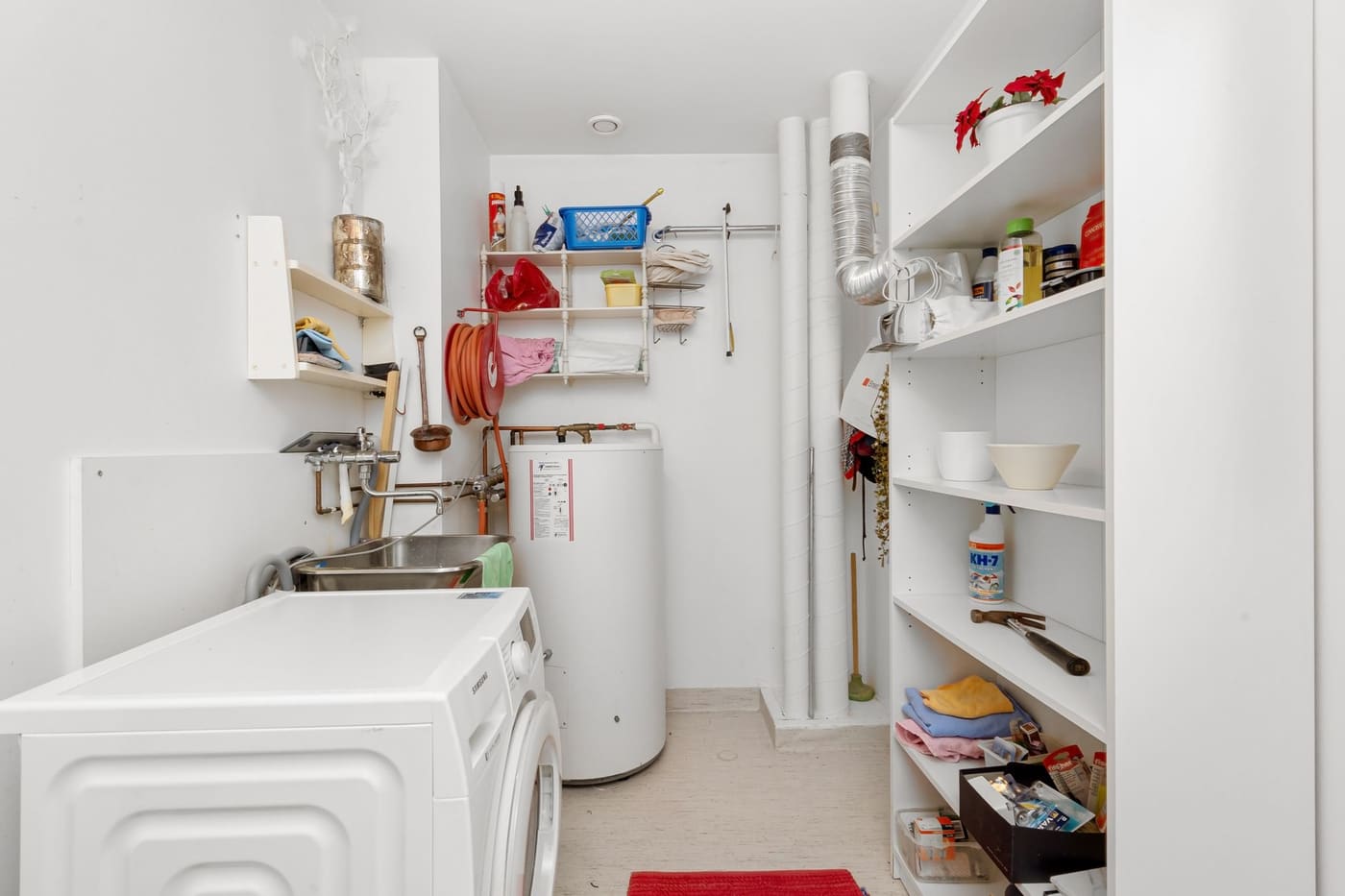
The filter is the sneaky one: GE's filter assembly (twist-out, bottom of tub) clogs with food film until wash water pools higher than the door seal was designed to hold. If you find standing water in the tub after cycles, clean the filter before blaming the gasket.
Suds need only a drop of the wrong soap — pre-rinsed dishes with dish liquid residue will do it. Suds climb past seals that hold water fine.
Door sag breaks the seal geometry: a door that drops open freely instead of holding position has spring or hinge wear, and the top of the door pulls away from the tub while the bottom corners weep.
Talk to a water damage pro now
Answered 24/7 · Toll-free · answered 24/7 · no obligation
(888) 840-6512- Describe the damage & give your ZIP
- You're routed to the on-call local crew
- They quote — you decide, no obligation
Base Leaks: Hose, Valve, or Tub
Water seeping from under the toe-kick with a dry door moves the diagnosis under the machine. Kill power at the breaker, pull the toe-kick panel, and check with a flashlight during a fill cycle: the water inlet valve (front-left on most GE models) for drips and corrosion, the supply line compression fitting, and the drain hose clamp. Weeping valves and corroded fittings are a $150–$300 technician visit. A leak from the tub body itself on a 9–10 year old machine is usually the machine telling you its age — price replacement, not repair.
The Toe-Kick Check: What the Leak Already Did
Dishwasher leaks are among the most expensive *slow* leaks in a house — not because of the water volume, but because of where it goes: under the toe-kick, across the subfloor, into particle-board cabinet bases that wick like sponges. Weeks pass before anything looks wrong from above.
While the toe-kick is off:
- Flashlight the cavity floor — stains, swelling, dark plywood edges.
- Meter anything suspect: subfloor over 16% moisture content is wet; swollen cabinet bottoms mean the leak predates your discovery by weeks.
- Check the adjacent cabinet bases — water follows the subfloor sideways.
- Photograph before repair or drying. Sudden valve failures are commonly insurance-covered; slow leaks get disputed — the documentation decides, and the failed part itself is evidence worth keeping.
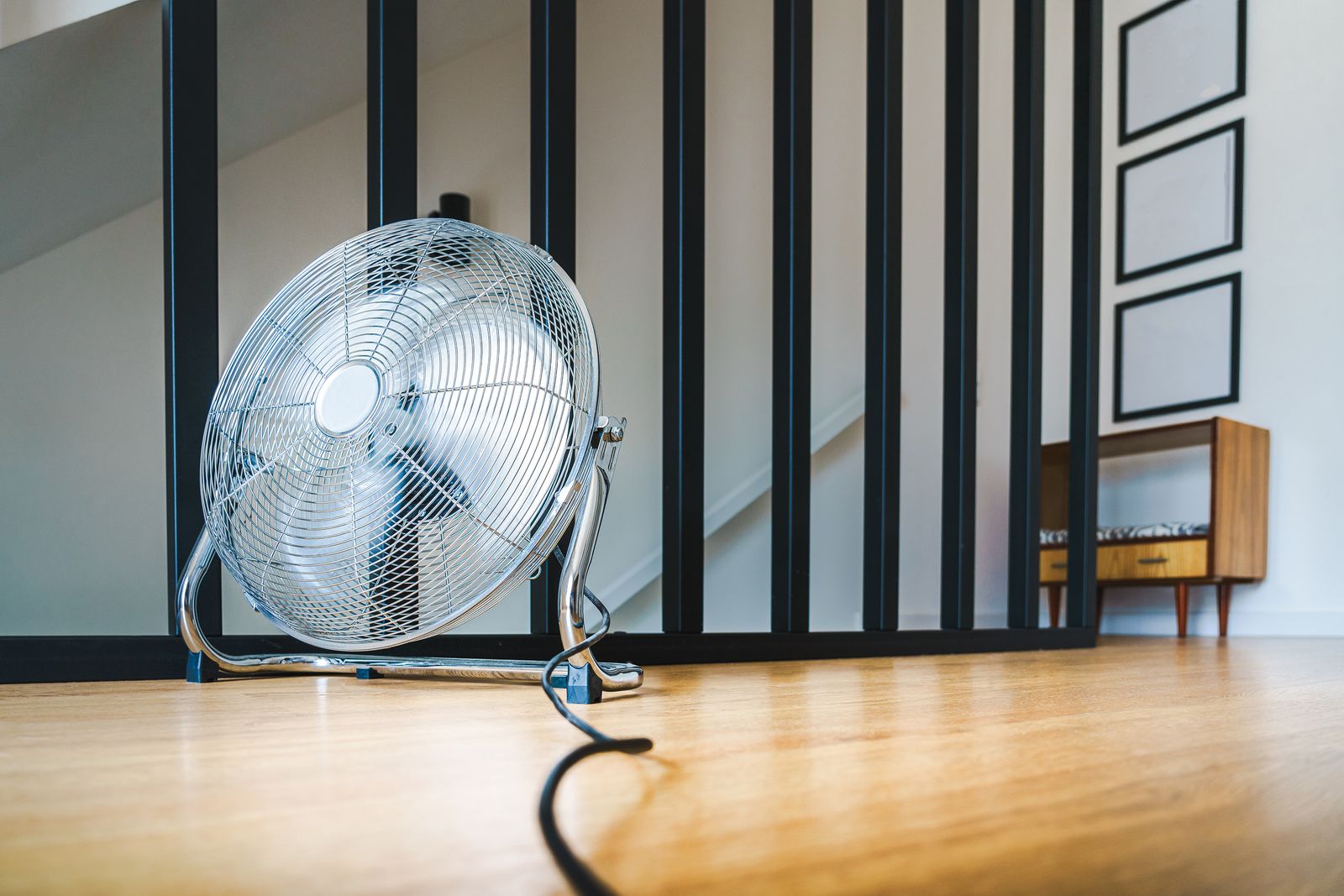
A wet cavity needs the machine pulled and 2–3 days of fan-plus-dehumidifier drying before it goes back — damp subfloor under an appliance is a mold colony's favorite address. Spread beyond the cavity — soft floor in front of the unit, wet adjacent cabinets — is past DIY: our dishwasher water damage guide covers the full loss scenario, and who to call for water damage sorts the contractor question in five minutes.
Bottom Line
One watched cycle splits the diagnosis: door-line water means gasket, filter, suds, or sag — mostly free-to-$40 fixes; under-unit water means hose or valve at $150–$300. Then pull the toe-kick and grade the floor honestly. GE will sell you another dishwasher for $600; the kitchen subfloor and cabinets under a months-old leak cost several times that.
Reading to confirm what you already suspect?
Confirm it in two minutes instead — the pro on this line answers questions about YOUR situation all day: what it is, what it should cost, whether you even need service. If you want, they'll set the appointment on the same call.
Toll-free · no obligation · asking costs nothing
Frequently Asked Questions
Why is my GE dishwasher leaking from the bottom of the door?
Most commonly: a worn or detached lower door gasket, a clogged filter raising the wash water line above the door seal, oversudsing from regular dish soap or excess detergent, or a weak door spring/hinge letting the door sag.
Water appearing under the unit (not the door) points instead to the drain hose, water inlet valve, or tub — different fixes, same urgency.
How do I fix a GE dishwasher door leak myself?
Clean the filter assembly (bottom of the tub, twist out), wipe and inspect the lower door gasket for splits and flat spots, run a cycle with proper dishwasher detergent only, and check the door closes tight without sag.
A replacement lower door gasket is a $15–$40 part that presses or screws into place on most GE models.
How much does a GE dishwasher leak repair cost?
DIY: filter cleaning free, door gasket $15–$40, drain hose $15–$30. A technician visit for an inlet valve, pump seal, or float switch runs $150–$300 including common parts. GE dishwashers past 9–10 years with tub or pump leaks are usually replacement candidates.
Can a dishwasher leak damage kitchen cabinets and floors?
YesIt's one of the most common kitchen water losses.
Dishwasher leaks run under the toe-kick and adjacent cabinets, soaking particle-board cabinet bases and subfloor for weeks before anything looks wrong. Pull the toe-kick and check with a flashlight and moisture meter; swollen cabinet bottoms and cupped floorboards mean the leak has been active longer than you think.
Is dishwasher water damage covered by insurance?
Sudden failures (burst hose, valve failure) are commonly covered under homeowners policies; slow leaks that ran for months are frequently disputed as maintenance.
Photograph the source and all damage before repairs, keep the failed part if a tech replaces it, and document moisture readings — that evidence decides borderline claims.
Who do I call right now for water damage?
Call (888) 840-6512. The line is answered 24 hours a day, seven days a week, and connects you with an IICRC-certified water damage restoration company that serves your area. Describe what you can see — where the water is coming from, how long it has been there, and whether it smells — the more specific you are, the faster the right company is on the line.
If the source is a pipe or an appliance, shut the main water valve first. Have four things ready and the call goes quickly: the address, when the water started, what is wet now, and whether you have filed an insurance claim.
Still not sure which of these is your situation? (888) 840-6512 · toll-free · answered 24/7
Sources
- GE Appliances Support — Dishwasher Leaking
- IICRC S500 Standard for Professional Water Damage Restoration
Methodology: How we source and verify data · Report an error
Disclaimer: HearthDry is an independent educational resource. This article is for informational purposes only and does not constitute professional, legal, or insurance advice. Consult licensed professionals before making decisions about your property or insurance claims.
Watch
Source: RepairClinic.com — YouTube
Free 2-day shipping
Amazon Prime members pay no shipping on restoration equipment
Dehumidifiers, air movers, and moisture meters qualify for free Prime delivery — bulk items that otherwise cost $15–$40 to ship.
Affiliate link — HearthDry earns a bounty if you sign up; costs you nothing extra.
Equipment
What each machine actually does
Removes the moisture the structure is still giving off — the machine that decides how long drying takes
See the picks →Moves air across wet surfaces so the dehumidifier has something to take out of the air
See the picks →Finds water behind walls and under floors, and tells you when a material is actually dry
See the picks →Alerts you the moment a leak starts — the cheapest thing on this list and the only preventive one
See the picks →Those pages carry affiliate links. As an Amazon Associate, HearthDry earns from qualifying purchases; it costs you nothing extra.
Our Amazon storefront →Advertisement
