Quick answer
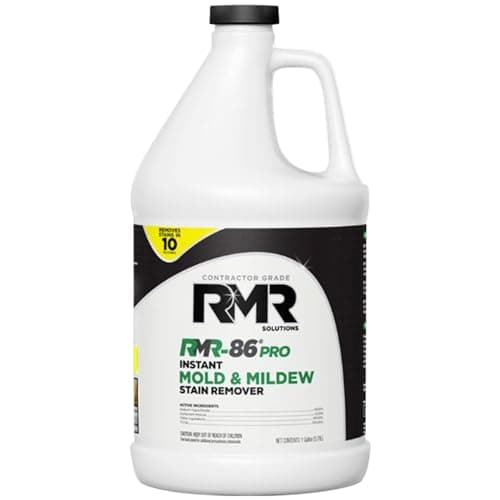
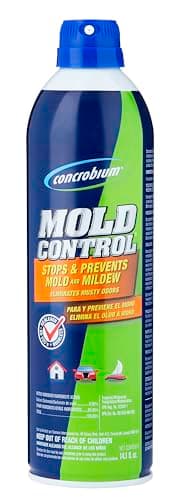
If the mold is on wood that is still firm, treat it with a bleach-free, EPA-registered product and then dry the wood to below about 15% moisture, and for most indoor jobs that product is the Concrobium Mold Control Aerosol 14.1 oz, rated 4.2 stars across 2,507 Amazon ratings. Its listing names wood, rules out bleach and ammonia, and says plainly that it is not a stain remover. A dark mark left behind on raw framing calls for sanding or a stain remover such as RMR-86 Pro. Wood that is soft or crumbles under a screwdriver has rot, and no spray fixes that.
Buyer's Guide
What to know before you buy.
Mold on the Wood or Rot in the Wood: Check Before You Buy Anything
Mold and rot are both fungi, but they do different damage. Mold grows on the surface and stains it. Rot fungi feed on the wood itself, and once they have been at work for a while, the board loses strength. The test takes ten seconds. Push a screwdriver or an awl into the stained spot and into clean wood nearby. Firm wood that resists the tip the same way in both places can be cleaned and kept. If the tip sinks in easily, the fibers crumble or pull away in short pieces, or the wood cracks into small cubes, you are looking at rot. A joist, a sill plate or a patch of subfloor in that state is a carpentry repair, and the leak that caused it has to be fixed before new wood goes in.
Sealed Wood vs Raw Wood: Which Product Goes Where
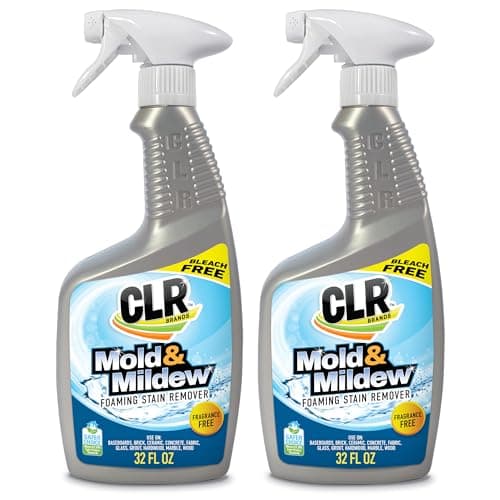
Finished wood, meaning a painted casing, a sealed floor or a lacquered dresser, usually holds mildew on top of the coating. The EPA's method for hard surfaces covers it: scrub with detergent and water, then dry completely. A bleach-free stain remover such as the CLR handles the mark that stays. Raw wood is different. Joists, studs, roof sheathing, plywood and subfloor have no coating, so moisture and growth go into the grain, and a dark stain often remains after the growth is dead. That is where a treatment like Concrobium and, afterward, a stain remover like RMR-86 Pro earn their place. Outdoor wood sits in between. Deck boards and fences take sun and rain anyway, so a scrub-free stain remover is a sensible choice there.
Why Bleach Is the Wrong First Step on Wood
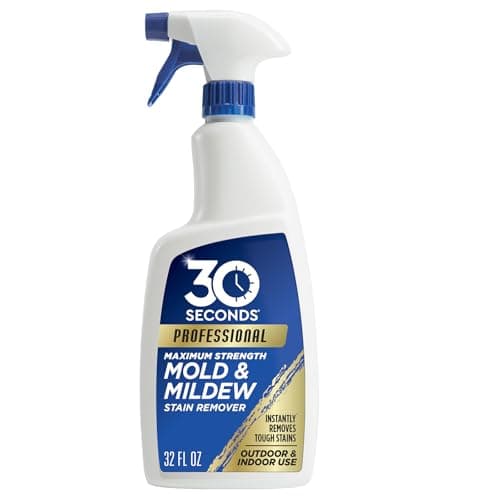
Chlorine bleach is good at removing color, which is why black spots on a joist turn white so quickly. That makes the job look done when it may not be. As general guidance, the chlorine works near the surface of porous wood while the water in the bottle soaks in, and wet wood is what mold needs. The EPA's position is that a biocide such as chlorine bleach is not recommended as a routine practice during mold cleanup, and it warns never to mix bleach with ammonia because toxic fumes can result. On finished wood, chlorine can also lighten or blotch the stain and dull the coating. If you use a bleach-based stain remover on raw framing, use it after the wood is clean and dry, follow its label, and keep the space ventilated.
The Order That Works: Vacuum, Clean, Treat, Dry, Then the Stain
Put on gloves, goggles and an N-95 respirator, the gear the EPA lists for mold cleanup. Start by removing loose growth with a damp wipe or a HEPA vacuum rather than a dry brush, which throws spores into the air. Wash the surface with detergent and water and let it dry. Apply the treatment, following its label on wait time. Then dry the wood properly, with fans and a dehumidifier if needed, before you judge what is left. A stain that remains on raw wood can be sanded back with 100 to 120 grit, wearing the respirator, and the dust picked up with a HEPA vacuum. Sand finished furniture only if you plan to refinish it, and keep sanding off thin veneer, which wears through fast.
Dry It, Then Prove It With a Moisture Meter
The EPA says water-damaged materials dried within 24 to 48 hours will, in most cases, not grow mold, and that moisture is the thing to control. Wood shows you when it is dry only through a meter. A pin moisture meter reads wood moisture content directly. A common rule of thumb treats framing above about 20% as wet enough to grow mold, and below about 15% as dry. Take a reading on the cleaned spot and on a dry board in the same room for a baseline. If the moldy area still reads high days after the leak was fixed, the water is still getting in or the space is not drying. Hold indoor humidity under 60%, ideally 30% to 50%, which is the EPA's range, so the wood stays below the mold line.
Who Should Not Use a Spray: Large Areas, Rot and Hidden Framing
A can of mold treatment is the wrong purchase in several cases. Growth over about 10 square feet, roughly a 3 ft by 3 ft patch, is past what the EPA describes as a job most homeowners can handle. Mold on framing inside a wall cavity, across an attic or through a crawl space usually means a moisture problem that a spray will not reach. Soft or crumbling wood needs replacing, not cleaning. Renters should report mold on wood to the landlord before treating it, since the cause may be a leak the owner has to fix. Anyone with asthma or mold allergies should not do the cleanup. In those cases you need a leak diagnosis and an assessment from an inspector or remediation company, not a stronger product.
Free 2-day shipping
Amazon Prime members pay no shipping on restoration equipment
Dehumidifiers, air movers, and moisture meters qualify for free Prime delivery — bulk items that otherwise cost $15–$40 to ship.
Affiliate link — HearthDry earns a bounty if you sign up; costs you nothing extra.