Quick answer
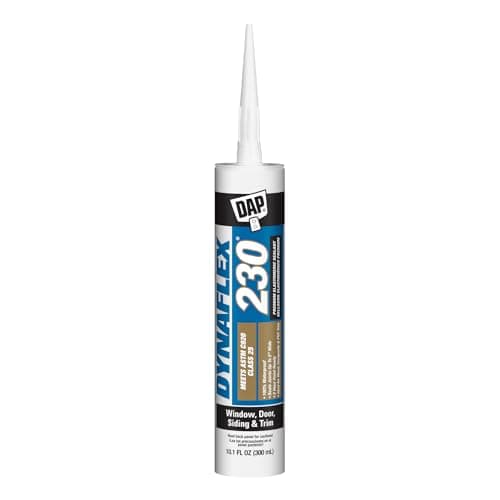
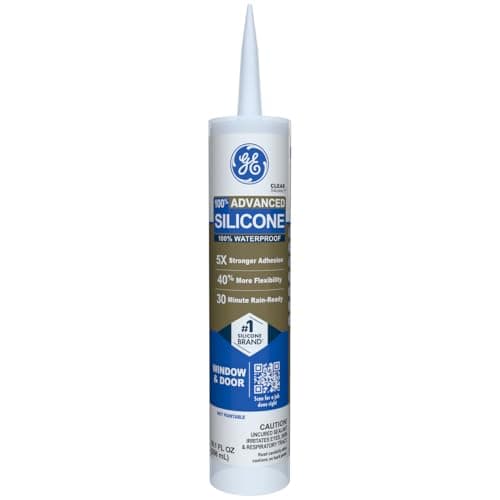
If the joint around an outside window frame will not be painted, use a silicone sealant made for windows and doors, and for most homes that is the GE Advanced Silicone Caulk for Window & Door 10 fl oz cartridge, rated 4.7 stars across 589 Amazon ratings. Its listing states rain-ready in 30 minutes and 40% more flexibility than Class 25 sealants. If the trim is painted, pick a paintable elastomeric such as DAP Dynaflex 230 Pro instead. Either way, cut out the old bead, let the joint dry, and leave the weep holes along the bottom of the frame open, because caulk cannot fix failed flashing.
Buyer's Guide
What to know before you buy.
Silicone, Elastomeric, Hybrid or Acrylic: Matching the Sealant to the Window
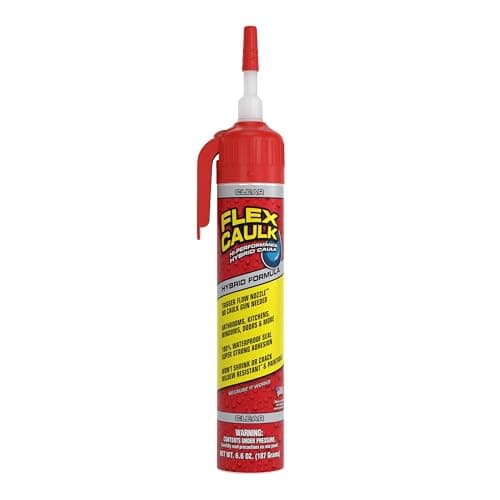
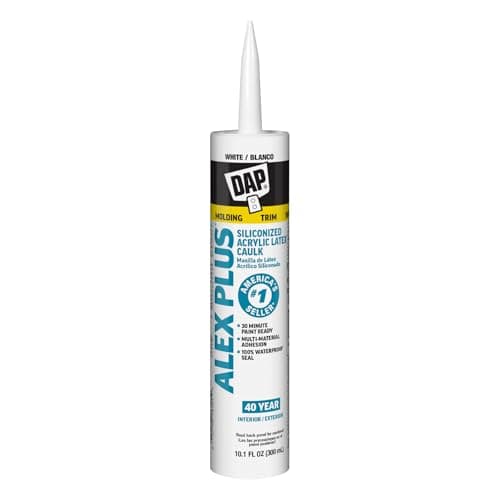
Start with one question: will the bead be painted? If not, silicone is the safest outdoor choice for vinyl, aluminum and fiberglass frames, because it stays flexible through heat and cold and sheds water, though it generally will not hold paint. If the trim is painted wood or fiber cement, use a paintable elastomeric such as DAP Dynaflex 230 Pro or a hybrid polymer such as Flex Caulk; both listings say they take paint. Polyurethane sealants are tough and grip masonry well but are sticky to tool, and none of the picks here names polyurethane as its base. Acrylic latex, including siliconized versions, belongs indoors on trim that hardly moves. Look at the joint before you buy: a brick opening, a vinyl frame against vinyl siding and a painted wood casing each point to a different cartridge.
Where to Caulk a Window, and the Openings You Must Leave Alone
Caulk the joint where the window frame or its trim meets the wall: across the top, which takes the most water, and down both sides. Seal split siding and backed-out nail holes near the frame while you are there. Then look along the bottom of the frame for small slots or holes. Those are weep holes, the drainage path for water that gets into the sill track, and caulking over them traps that water inside the frame. Many installers also leave the bottom edge of the outside trim open so water that gets behind it can drain. The window maker's installation instructions settle any doubt, so look them up if you know the brand. Indoors, caulk the casing to the wall and the stool to stop drafts; that bead is about air, not rain.
Wide Gaps: Backer Rod First, Then a Thin Bead
Caulk on its own handles a gap up to about 1/4 in. Past that, press closed-cell foam backer rod into the joint first. Choose a rod about 25% wider than the gap so it stays put by compression; a 1/2 in gap takes a 5/8 in rod. Set it so the sealant depth is about half the joint width, but not less than 1/4 in. The rod does two jobs. It saves sealant, and it stops the bead sticking to the back of the joint, so the caulk bonds only to the two sides and can stretch like a rubber band as the gap opens. A bead stuck on three sides tears at the back in its first cold winter. Gaps over about 1 in usually mean rotted trim or a frame that has shifted, a carpentry repair before it is a caulk job.
How Much Caulk a Window Takes
Measure the frame first. A 36 by 60 in window has a perimeter of 192 in, or 16 ft; leave the bottom open for weep holes and the run drops to 13 ft. A 3/16 in bead is a thin cylinder holding about 0.028 cubic inches per inch of length, and a fluid ounce is about 1.8 cubic inches. So a 10 fl oz cartridge lays roughly 54 ft of that bead, enough for three or four windows of that size, and a 9.5 fl oz cartridge about 51 ft. A 1/4 in bead uses nearly twice as much, so plan on two windows per cartridge. A 2.8 fl oz squeeze tube covers about one window. Buy one cartridge more than the arithmetic says, because nozzles clog, beads get redone, and an opened cartridge rarely keeps until next season.
Who Should Not Just Caulk: Leaks Caulk Cannot Stop
Caulk seals the outer joint. It cannot fix the flashing behind the trim, a missing sill pan under the window, or a cracked frame. If water shows up inside after wind-driven rain while the outside bead looks sound, if a stain spreads down the wall from a lower corner of the window, or if the drywall below feels soft, water is already inside the wall, and a new bead outside can hide that while framing and insulation stay wet. Condensation is a different problem: beads of water on the inside of the glass on cold mornings mean high indoor humidity, and no caulk helps. EPA advises keeping indoor humidity below 60%, ideally 30% to 50%. For a frame leak, call a window installer or siding contractor who will pull the trim and check the flashing; for a wet wall or mold, a water damage company.
Prep and Weather: Old Caulk Out, Dry Joint, Mild Day
New sealant bonds to clean, dry, sound material, not to an old bead. Cut out the old caulk with a utility knife or scraper and pull the strips free, then brush out dust and flaking paint, and wipe aluminum and vinyl with rubbing alcohol. If the joint got wet from a leak, give it a few dry days first; sealing water into wood speeds rot. Mold on the sill or trim has to be cleaned off and dried first, since EPA says plainly not to paint or caulk moldy surfaces. Work on a mild, dry day, and read the cartridge for its lowest application temperature, which for many caulks is around 40°F. Tape both edges, cut the nozzle to the bead size you need, run one steady pass, and tool it smooth before the surface skins over.
Free 2-day shipping
Amazon Prime members pay no shipping on restoration equipment
Dehumidifiers, air movers, and moisture meters qualify for free Prime delivery — bulk items that otherwise cost $15–$40 to ship.
Affiliate link — HearthDry earns a bounty if you sign up; costs you nothing extra.