Concrobium Review 2026 — Mold Control Spray, Aerosol, Gallon and Fogger Compared From Their Listings, and the Stains None of Them Remove

Concrobium Review 2026

Mold Control Spray, Aerosol, Gallon and Fogger Compared From Their Listings, and the Stains None of Them Remove

5 picks compared · prices, ratings and stock checked October 12, 2026

Our Top Pick

For most household jobs, the Concrobium Mold Control 32 oz Trigger Spray, 2-Pack: each bottle is stated to cover up to 100 sq ft, with no bleach, ammonia or VOCs. For a whole basement or crawl space, pair the Concrobium Mold Control 1 Gallon jug with the Concrobium Mold Control Fogger.

4.2 on Amazon · 5,879 ratings

Quick answer

Concrobium Mold Control is an EPA-registered, bleach-free mold treatment that works as it dries and leaves a film meant to block regrowth, and for a small patch you have already scrubbed clean, the one to buy is the Concrobium Mold Control 32 oz Trigger Spray, 2-Pack, with each bottle stated to cover up to 100 sq ft. For a whole basement or crawl space, use the 1-gallon jug in the Concrobium fogger. Know its limit: Concrobium's own aerosol listing says Mold Control is not a stain remover. Scrub visible growth off first, fix the moisture, and treat any stain as a separate step.

Our Picks at a Glance

Every pick below is currently stocked — ratings and stock read from Amazon on 12 October 2026.

How this page was made: we compare the current Amazon listings, the makers' published specs and what verified buyers report, then rank by fit for the job. Ratings, review counts and stock are read from Amazon and dated. We earn a commission on purchases through our links; it does not change the order. Reviewed by Marcus Reed, IICRC-certified Water Restoration Technician.

Full Reviews

Each pick in detail: what the listing states, what buyers report, and where it falls short.

#1
Best for Most Household Jobs

Check price

on Amazon ↗

Listing verified 13 Oct 2026

Concrobium Mold Control 32 oz Trigger Spray, 2-Pack (Bleach-Free, Up to 100 sq ft per Bottle)See it on Amazon ↗

Quick Verdict

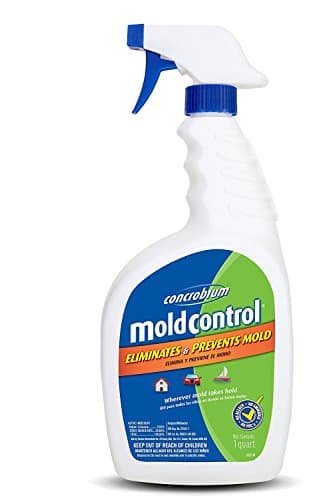
Concrobium Mold Control 32 oz Trigger Spray, 2-Pack: the everyday format, stated to cover 100 sq ft per bottle, applied last after cleaning.

Key Specs

Format

Two 32 oz trigger spray bottles

Coverage (stated)

Up to 100 sq ft per bottle

Contains (stated)

No bleach, ammonia or volatile organic compounds

Claims (stated)

Eliminates existing mold, prevents regrowth with an invisible shield, removes musty odors

Surfaces named

Drywall, wood, composite wood, plastic, concrete, shakes, metal, brick, stone, tile, grout, fabric and furniture

Stain removal

Not claimed on this listing

Pros

  • A trigger puts the solution exactly where you aim it, with no sprayer to rig or clean
  • The only format here with a per-bottle coverage figure, which makes buying the right amount easy
  • Its surface list runs from drywall and wood to brick, tile, grout and fabric
  • No bleach, so it will not lighten wood trim or fabric the way chlorine can

Cons

  • Leaves stains in place; a dark shadow needs a stain remover or a stain-blocking primer
  • Its regrowth claim depends on the surface staying dry, which no spray can control
  • Stock was listed as limited when the listing was read

Suited to

A window frame, closet wall or sink cabinet after the visible growth has been scrubbed off

Our take

This is the format to buy for most household jobs. Two trigger bottles, each stated to cover up to 100 sq ft, are plenty for a window frame, a closet wall or the floor of a sink cabinet, and a trigger lets you put the solution only where it is needed. The listing names drywall, wood, concrete, brick, tile, grout and fabric among its surfaces, and states no bleach, ammonia or VOCs. Use it as the last step rather than the first. Scrub visible growth off with detergent and water, let the surface dry, then spray the area and leave the film to dry in place without rinsing. If black spots return within weeks, the moisture source is still active, and that is the thing to fix.

Check today's price on Amazon →

Affiliate link — commission at no extra cost to you

Compare elsewhere

These open a search for this model. We quote prices only where we can verify them — Amazon, Sylvane and eBay.

#2
Best for Large Areas and Fogger Refills

Check price

on Amazon ↗

Listing verified 13 Oct 2026

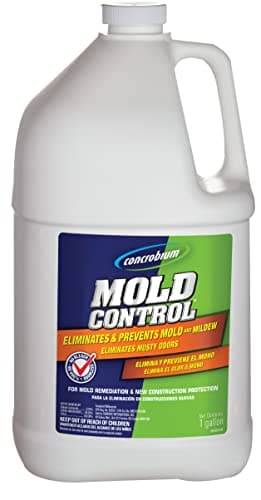
Concrobium Mold Control 1 Gallon Jug (Bleach-Free, Indoor and Outdoor)See it on Amazon ↗

Best for Large Areas and Fogger Refills

Concrobium Mold Control 1 Gallon Jug (Bleach-Free, Indoor and Outdoor)

4.5(4,171 reviews)

Quick Verdict

Concrobium Mold Control 1 Gallon Jug: bulk solution for framing, block walls and the fogger, with coverage stated only on the refill listing.

Key Specs

Format

1 gallon jug

Claims (stated)

Eliminates and prevents mold

Contains (stated)

No bleach

Uses named

Homes, buildings, boats, cars and RVs

Coverage

Not stated on this listing; Concrobium's refill gallon listing states 800 to 1,600 sq ft per gallon

Application

Cold fogger, spray, cloth or brush, per the refill gallon listing

Pros

  • The same Mold Control solution in bulk, for exposed framing, block walls or a fogger
  • Can be applied by cold fogger, sprayer, cloth or brush, per Concrobium's refill listing
  • No scrubbing or rinsing after application, per the refill listing, so large areas go quickly

Cons

  • This listing's own bullets are brief and state no coverage figure
  • Needs a sprayer, cloth or fogger, so it is more setup than a trigger bottle
  • Like every Concrobium Mold Control format, it does not remove stains

Suited to

Treating exposed joists, studs or block walls after cleanup, or refilling the Concrobium fogger

Our take

The gallon is the same Mold Control solution in bulk, and it pays off in two situations: a large area of exposed framing or block wall, or as the refill for the fogger. Its own listing is brief, naming homes, buildings, boats, cars and RVs and stating no bleach. Concrobium's 1-gallon refill listing fills in the detail: apply by cold fogger, spray, cloth or brush, allow it to dry, no scrubbing or rinsing, and 800 to 1,600 sq ft per gallon. When spraying by hand, plan on the low end of that range or on the trigger bottle's stated rate, which is about half of it. Decant it into a clean pump sprayer kept for this job; a sprayer that once held weed killer should not be reused for indoor surfaces.

Check today's price on Amazon →

Affiliate link — commission at no extra cost to you

#3
Best for Tight Spots and Overhead

Check price

on Amazon ↗

Listing verified 13 Oct 2026

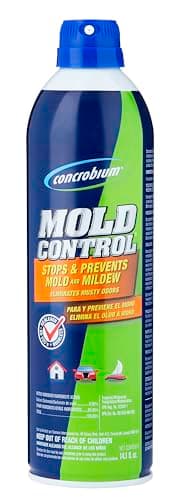
Concrobium Mold Control Aerosol, 14.1 oz (Fine Mist, EPA-Registered, Bleach-Free)See it on Amazon ↗

Quick Verdict

Concrobium Mold Control Aerosol, 14.1 oz: a fine mist for overhead and tight spots, with its limits stated plainly on the listing.

Key Specs

Format

14.1 oz aerosol can

Spray (stated)

Fine mist that reaches tight spaces, corners and hidden areas

Registration (stated)

Registered with the U.S. EPA for mold control when used as directed

Contains (stated)

No bleach, ammonia or VOCs

Surfaces named

Drywall, wood, tile, grout, concrete, fabric and more; test an inconspicuous area first

Job size (stated)

Mid-sized jobs, spot treatments and ongoing maintenance

Pros

  • A fine mist reaches the underside of a vanity top or a closet ceiling without dripping back on you
  • The clearest listing in the line, naming its EPA registration and its limits in plain words
  • A small can that stores easily for touch-ups on a spot that keeps coming back

Cons

  • No coverage figure, so it is hard to size for anything larger than a spot
  • A mist drifts, so cover nearby surfaces and ventilate the room
  • Does not remove stains, as its own listing says

Suited to

Overhead spots, cabinet interiors and corners a trigger spray cannot reach cleanly

Our take

The aerosol is the version to reach for overhead and in tight spaces. Its listing describes a fine mist that reaches corners and hidden areas, which helps on the underside of a vanity top, behind a toilet tank or along a closet ceiling, where a trigger spray tends to drip back down. It is also the listing that states the line's limits most plainly: registered with the EPA for mold control when used as directed, suitable for most surfaces after a test in an inconspicuous spot, and not intended as a stain remover. The listing pitches the 14.1 oz can at spot treatments and mid-sized jobs but gives no coverage figure, so for a whole wall a trigger bottle or the gallon goes further.

Check today's price on Amazon →

Affiliate link — commission at no extra cost to you

#4
Best for Basements, Attics and Crawl Spaces

Check price

on Amazon ↗

Listing verified 13 Oct 2026

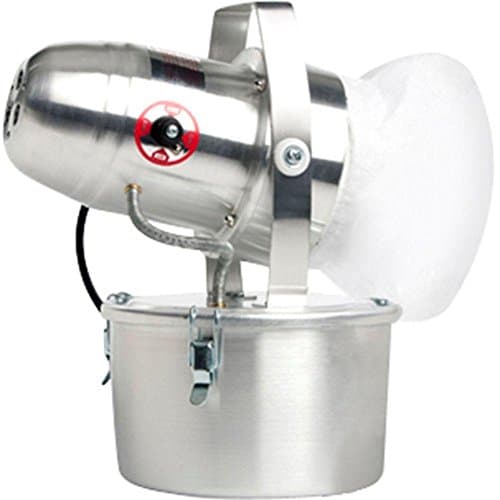
Concrobium Mold Control Fogger (Fine Mist, Adjustable Flow, for Enclosed Spaces)See it on Amazon ↗

Best for Basements, Attics and Crawl Spaces

Concrobium Mold Control Fogger (Fine Mist, Adjustable Flow, for Enclosed Spaces)

4.4(333 reviews)

Quick Verdict

Concrobium Mold Control Fogger: even coverage of joists and framing in enclosed spaces, with key details missing from its listing.

Key Specs

Type

Fogger for applying Concrobium Mold Control solution

Spray (stated)

Atomizes liquid into a fine mist

Flow (stated)

Adjustable flow rate to match room size

Spaces named

Basements, attics, crawl spaces, garages and storage areas

Solution included

Not stated on this listing

Power source and tank size

Not stated on this listing

Pros

  • Coats every exposed surface of an enclosed space evenly, including joist sides a trigger misses
  • Adjustable flow, per the listing, so the mist can be matched to a closet or a full basement
  • Made for Concrobium's own solution, so the coverage figure on the refill gallon applies

Cons

  • Its listing leaves out power source, tank size and whether solution is included
  • Coats surfaces only; mold inside insulation, drywall or soaked wood is untouched
  • The space has to be empty while fogging, and the label sets when you can go back in

Suited to

A preventive coat on exposed basement joists, attic sheathing or crawl-space framing after cleanup

Our take

A fogger exists to coat every exposed surface of an enclosed space evenly, such as basement joists, attic sheathing or crawl-space framing, once the cleanup is done. This listing describes a fogger that atomizes Concrobium Mold Control into a fine mist with an adjustable flow rate, for basements, attics, crawl spaces, garages and storage areas. It does not state the power source, the tank size or whether solution comes in the box, so read the listing's details before ordering and plan on buying the gallon with it. Fogging reaches surfaces, not the inside of materials, and it does nothing about the humidity that grew the mold, so pair it with a dehumidifier. Leave the space while fogging and follow the label on re-entry.

Check today's price on Amazon →

Affiliate link — commission at no extra cost to you

#5
If Not Concrobium: Stain Remover to Pair With It

Check price

on Amazon ↗

Listing verified 13 Oct 2026

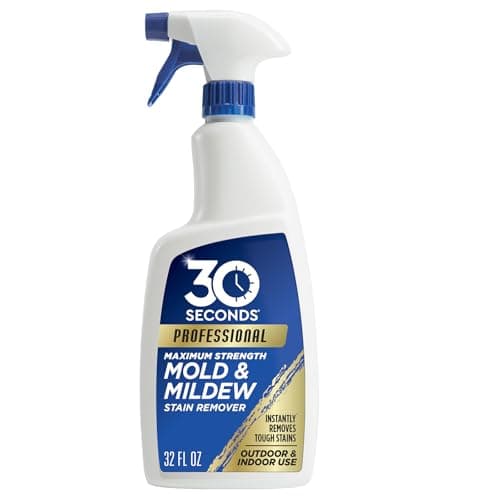
30 SECONDS Pro Mold & Mildew Stain Remover, 32 oz (Scrub-Free, Indoor and Outdoor)See it on Amazon ↗

If Not Concrobium: Stain Remover to Pair With It

30 SECONDS Pro Mold & Mildew Stain Remover, 32 oz (Scrub-Free, Indoor and Outdoor)

4.4(7,127 reviews)

Quick Verdict

30 SECONDS Pro Mold & Mildew Stain Remover: the stain step Concrobium leaves out, used before the Mold Control coat goes on.

Key Specs

Type

Mold and mildew stain remover

Size

32 oz

Claim (stated)

Lifts black mold and mildew stains on contact, no scrubbing or pressure washing

Strength (stated)

2X stronger than the standard 30 SECONDS Outdoor Cleaner

Surfaces named

Siding, fences, decks, concrete floors, brick, drywall, wood, kitchen surfaces, bathroom tile and grout, showers

Rinse (stated)

Rinse where needed

Pros

  • Does the one job Concrobium Mold Control says it does not: lifting the stain
  • Names drywall, wood, tile and grout indoors, and siding, decks and concrete outdoors
  • No scrubbing, per the listing, which suits textured grout and rough wood

Cons

  • The active ingredient is not stated, so read the label before using it near fabric or colored grout
  • Makes no claim to prevent regrowth, so it is a stain step, not a treatment
  • Must be rinsed and dried before Concrobium goes on, which adds a day to the job

Suited to

Removing the dark stain that Concrobium Mold Control leaves behind

Our take

Concrobium does not remove stains, and its Mold Stain Eraser was not among the Amazon listings we could verify for this page, so this is the stain remover to pair with Mold Control. The 30 SECONDS Pro listing says it lifts black mold and mildew stains on contact with no scrubbing, and it names drywall, wood, tile and grout indoors and siding, decks and concrete outdoors. Its active ingredient is not stated, so read the label, ventilate, and never mix it with another cleaner; EPA warns specifically against mixing bleach with anything that contains ammonia. Order matters here. Remove the stain, rinse where the label says, let the surface dry, and only then apply Concrobium, because its film works only if left in place.

Check today's price on Amazon →

Affiliate link — commission at no extra cost to you

Buyer's Guide

What to know before you buy.

What Concrobium Mold Control Says It Does

Across the Concrobium Mold Control listings read for this page, the core claims are the same: it eliminates existing mold and it prevents regrowth. The spray, aerosol and refill listings add that it leaves an invisible shield or barrier, the refill gallon listing says it crushes mold spores as it dries, and a two-gallon listing sums the idea up as works as it dries. Several also claim it removes musty odors. They agree on what is left out: no bleach, no ammonia and no volatile organic compounds. The aerosol and refill listings state that the formula is registered with the EPA for mold control when used as directed. None of the listings names the active ingredient. The method follows from the claim. Apply it over the affected area, let it dry, and do not rinse, because the dried film is the part meant to prevent regrowth.

Why Stains Stay After Concrobium, and the Order That Works

Concrobium's aerosol listing says plainly that Mold Control is not intended as a stain remover, and that surprises many buyers. Mold pigment sits in grout, paint and the grain of wood, so a treated patch can look exactly as it did before. EPA gives a second reason to clean rather than only treat: dead mold may still cause allergic reactions in some people, so it is not enough to kill it; it has to be removed. The order that works is clean, then remove the stain, then protect. Scrub growth off hard surfaces with detergent and water, as EPA advises, and dry them completely. If a shadow remains, use a stain remover, rinse it as its label directs, and let the surface dry again. Apply Concrobium last, so the film it leaves is not washed away by a later step. On bare wood, light sanding often removes what a remover cannot.

Spray, Aerosol, Gallon or Fogger: How Much You Need

Concrobium's listings give two coverage figures, and they do not match. The 32 oz trigger bottle is stated to cover up to 100 sq ft, which works out to about 400 sq ft per gallon. The refill gallon listing states 800 to 1,600 sq ft per gallon and names a cold fogger first among its application methods. For hand spraying, plan on the trigger figure. Measure surface area, not floor area: one 30 ft basement wall 8 ft tall is 240 sq ft, about three trigger bottles. Exposed joists over a 25 by 30 ft basement add 750 sq ft of ceiling plus the joist sides, which is where the gallon and the fogger make sense. The aerosol states no coverage, so keep it for spots, corners and overhead work. These figures are for a protective coat on clean surfaces; they are not a reason to take on a large patch of growth yourself.

Fix the Damp First: Where Moisture Grabbers Fit

EPA is blunt about regrowth: clean up the mold without fixing the water problem, and the mold will most likely come back. No film on a surface changes that, so humidity control comes before any treatment can hold. Concrobium also sells Moisture Grabbers, hanging bags that, per their listing, turn absorbed water into a leak-proof gel and treat spaces up to 350 cu ft each. That is closet scale. A 6 by 7 ft walk-in closet with an 8 ft ceiling holds 336 cu ft, so one bag suits it. A 1,000 sq ft basement with the same ceiling height holds 8,000 cu ft, which would take about 23 bags, so that space needs a dehumidifier instead. EPA's target is indoor humidity below 60%, ideally 30% to 50%, and a small hygrometer tells you whether a room is there before and after you treat it.

Using It Safely: What the Listings and EPA Say

The listings say Concrobium contains no bleach, ammonia or VOCs and that it is EPA-registered for mold control. Registration is a regulatory status for a product used as its label directs; it is not a safety rating, so follow the label on the container in your hand. The aerosol listing advises testing an inconspicuous area first, which is worth doing on fabric, unfinished wood and painted walls. For the cleanup that comes before it, EPA suggests an N-95 respirator, long gloves that reach the middle of the forearm, and goggles without ventilation holes. EPA also says biocides are not recommended as a routine part of mold cleanup, and that anyone who uses disinfectants or biocides should ventilate and exhaust the air outdoors. If a bleach-based stain remover is part of the job, never mix it with a product containing ammonia.

Who Should Not Rely on Concrobium

A surface treatment is the wrong tool when the mold is inside the material or the area is large. EPA's line for doing the job yourself is about 10 square feet; beyond that, or after a lot of water damage, it points homeowners to its fuller remediation guidance. Porous materials such as ceiling tiles and carpet may have to be thrown away once moldy, EPA notes, because growth fills the spaces inside them, and drywall with mold on its back face is cut out, not sprayed. Water from a sewer backup or outdoor flooding makes the job a sanitation cleanup first. Mold in ductwork belongs with an HVAC professional. Renters should report the problem to the landlord in writing before treating anything. In each of these cases, what you need is the leak or humidity fixed and the damaged material removed, by a plumber, an HVAC technician or a mold remediation company.

Frequently Asked Questions

Does Concrobium kill mold?

Its listings say it does: Concrobium Mold Control is EPA-registered for mold control and is described as eliminating existing mold and crushing spores as it dries. Killing is only half the job, though.

EPA notes that dead mold may still cause allergic reactions in some people and has to be removed, and that mold returns if the water problem is not fixed. Scrub visible growth off first, then use Concrobium as the protective last step.

Do you wipe off Concrobium after spraying?

NoYou leave it to dry in place. Concrobium's refill listing says no scrubbing or rinsing is required, and the dried film is what its listings say helps prevent regrowth, so wiping or rinsing it off removes the part meant to protect the surface.

Do any cleaning, stain removal and rinsing before you apply it. Follow the label on your container if it gives extra directions for heavy application on a particular surface.

Does Concrobium remove mold stains?

NoConcrobium's aerosol listing states that Mold Control is not intended for use as a stain remover, so a dark mark can remain after the growth is treated.

Remove the stain as a separate step with a mold stain remover, rinse and dry the surface, and then apply Concrobium. On bare wood, light sanding can take out what a remover leaves, and on drywall that is still firm, a stain-blocking primer can cover a shadow once the surface is dry.

Is Concrobium better than bleach for mold?

For most indoor jobs it is the gentler choice, but neither one replaces scrubbing. EPA does not recommend biocides such as bleach as a routine part of mold cleanup and warns never to mix bleach with ammonia.

Bleach can lighten a stain that Concrobium leaves, and it can also lighten wood and fabric. On hard surfaces, detergent and water does the cleaning, and Concrobium's role is the barrier film that goes on afterwards.

Can I use Concrobium in a basement or crawl space?

YesOn exposed surfaces after cleanup, and the fogger listing names basements, attics and crawl spaces.

Fog or spray joists, sill plates and block walls once growth has been scrubbed off and the wood is dry. The treatment will not hold in a space that stays damp, so check humidity with a hygrometer and run a dehumidifier if readings sit above 60%. Standing water or a wet crawl-space floor has to be dealt with first.

Is Concrobium safe to use indoors?

Its listings say it contains no bleach, ammonia or VOCs and that it is EPA-registered for mold control when used as directed, which is a regulatory status rather than a safety rating.

Use it as the label on your container directs, test an inconspicuous area first as the aerosol listing advises, and ventilate the room. For the cleanup beforehand, EPA suggests an N-95 respirator, long gloves and goggles without vent holes.

Who do I call right now for water damage?

Call (888) 840-6512. The line is answered 24 hours a day, seven days a week, and connects you with an IICRC-certified water damage restoration company that serves your area. A recorded menu picks up first: choose water damage or mold, key in your 5-digit ZIP code, and hold through the short silence while the call is passed to the company.

Describe what you can see — where the water is coming from, how long it has been there, and whether it smells — the more specific you are, the faster the right company is on the line. If the source is a pipe or an appliance, shut the main water valve first. Have four things ready and the call goes quickly: the address, when the water started, what is wet now, and whether you have filed an insurance claim.

Still not sure which of these is your situation? (888) 840-6512 · toll-free · answered 24/7

Sources

  1. EPA — A Brief Guide to Mold, Moisture, and Your Home
  2. EPA — Mold Cleanup in Your Home

Methodology: How we source and verify data · Report an error

How we chose these picks

  • Every pick is a current listing. Stock, star ratings and rating counts are read from Amazon by script and carry the date they were read.
  • Nothing under 4.0 stars makes the list, and the top pick needs a large rating count, so one good week of reviews cannot put it there.
  • Specs are quoted from the listing or the maker, with the test condition behind the number where there is one, and sized against the job rather than the room on the box.
  • We do not run lab or field tests. Where a spec matters, we say what it is measured under and what it cannot tell you.

Free 2-day shipping

Amazon Prime members pay no shipping on restoration equipment

Dehumidifiers, air movers, and moisture meters qualify for free Prime delivery — bulk items that otherwise cost $15–$40 to ship.

Try Prime free →

Affiliate link — HearthDry earns a bounty if you sign up; costs you nothing extra.

Also Worth Comparing

Best Mold Killer for Water Damage 2026 — Three Antimicrobials Reviewed

After water damage, the right treatment helps keep mold from returning on framing and concrete once the cleanup is done. These are three products for water damage cleanup in 2026, compared on what each listing claims, bleach content and where each belongs in the cleanup.

Read the comparison

Best Mold Remover Sprays in 2026 — RMR-86, Mold Armor & Concrobium Compared

The three most-searched mold sprays do three DIFFERENT jobs: one erases stains, one disinfects, one kills and prevents. Using the wrong one is why 'the mold came back.' Here's which to use where — and the honest line where sprays stop working.

Read the comparison

Best Mold Foggers in 2026 — Concrobium Cold Fogger & BioCide Mold Bomb, Honestly Compared

Fogging is the last step of a mold job, not the first. Here is what the two most-searched foggers actually do — one applies an EPA-registered mold-control solution, the other grounds particulates and odor — and the removal work both of them assume you've already done.

Read the comparison

Best Mold Remover for Wood in 2026 — Bleach-Free Treatments, Stain Removers, and How to Tell Mold From Rot

Mold on wood needs two different products: one that treats the growth and one that lifts the dark stain it leaves, and on finished wood the first one should not be bleach. These picks are matched to sealed furniture and floors, raw framing and plywood, and outdoor decks, with the screwdriver test that tells you when the wood is rotten and no spray will help.

Read the comparison

Best Moisture Absorbers in 2026 — For Cabinets, Storage Rooms, Cars and Bathrooms, and Where a Dehumidifier Wins

A moisture absorber is a no-power container of crystals or gel that draws water out of the air in a small, closed space. It is the right tool for a cabinet, a car or a boat and the wrong one for a basement or a room after a leak, so these picks are sorted by where they will sit.

Read the comparison

Concrobium vs RMR-141 in 2026 — What Each Label Claims, Which Surfaces Each Suits, and the Order to Use Them With RMR-86

RMR-141 and Concrobium Mold Control are both EPA-registered, and that is where the likeness ends: one is sold as a disinfectant that kills on hard surfaces, the other as a no-rinse treatment that dries into a barrier on wood, drywall and fabric. Neither removes a stain, which is the job RMR-86 exists for, and neither does anything useful until the water problem is fixed and the surface is scrubbed and dry.

Read the comparison